Adsorption Capacity and Replacement Cycles of Bamboo Activated Carbon in VOCs Treatment
Compares bamboo activated carbon with coal-based carbon for VOC adsorption, replacement-cycle calculation, and annual operating cost.
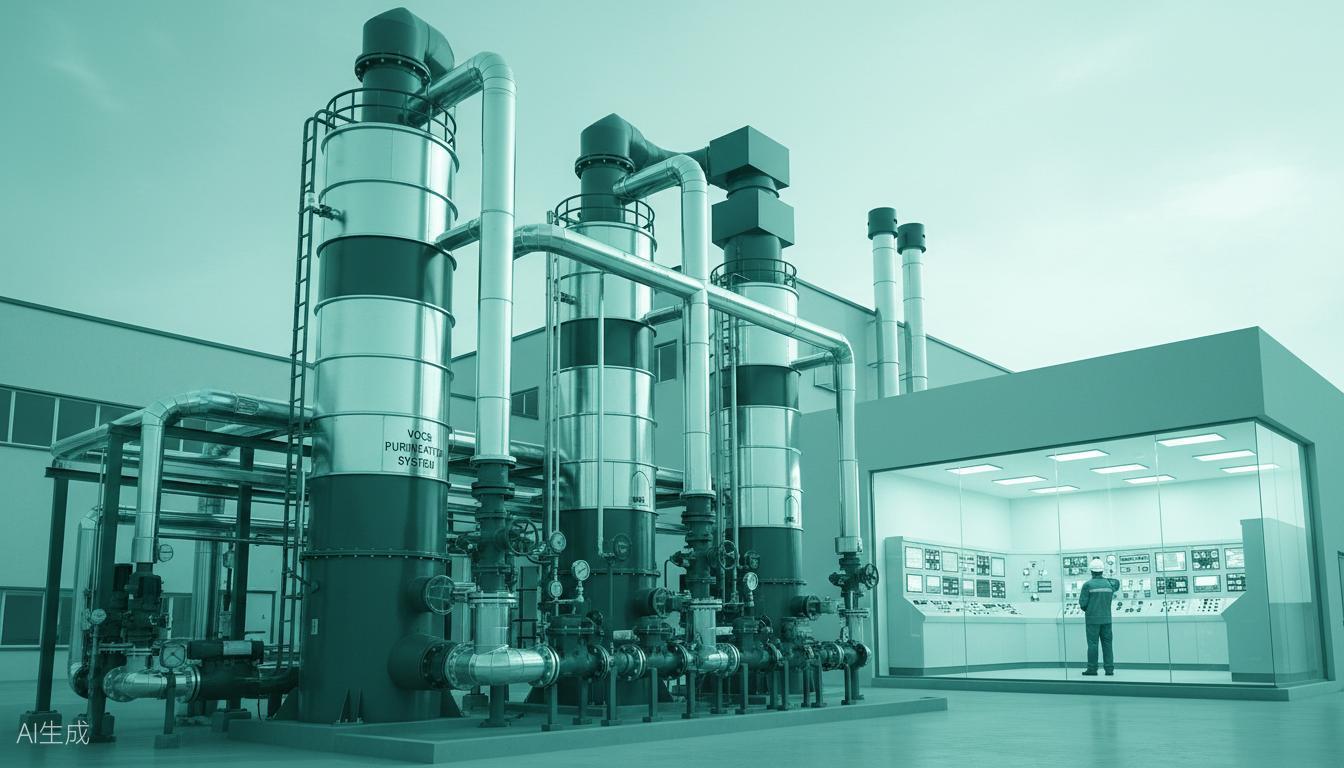
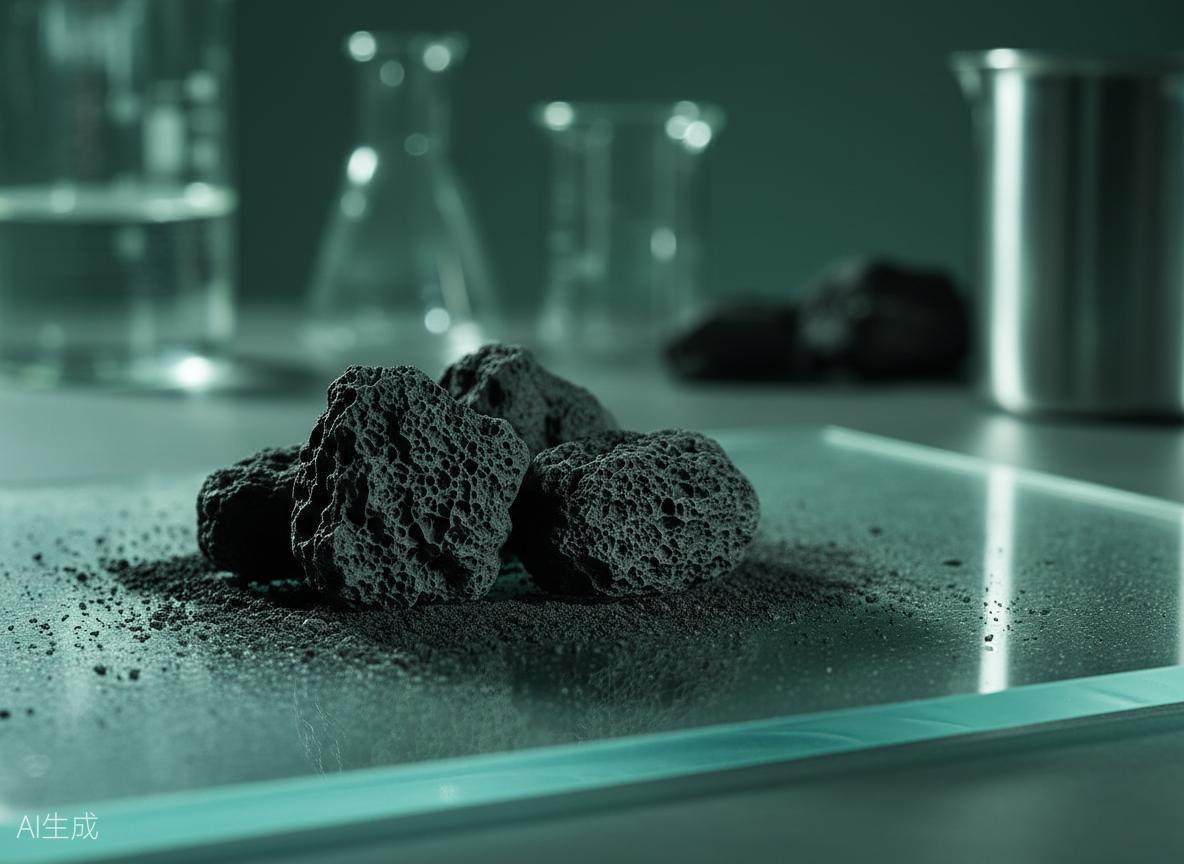
VOC (volatile organic compound) emissions control is a regulatory necessity for chemical, coating, printing, and electronics industries. Bamboo activated carbon can reach iodine values of 1,000–1,200 mg/g, comparable to high-grade coal-based carbon, while typically priced 15–25% lower. This article analyzes adsorption capacity, replacement-cycle estimation, and operating cost for VOC treatment.
Bamboo vs coal vs coconut-shell carbon for VOC treatment
Parameter
Bamboo
Coal-based
Coconut-shell
Iodine value (mg/g)
1,000–1,200
800–1,100
1,000–1,300
BET surface (m²/g)
1,000–1,400
800–1,200
1,000–1,500
Bulk density (kg/m³)
380–450
480–550
450–520
Hardness (%)
≥92
≥90
≥95
Ash (%)
5–10
12–18
3–6
Price (CNY/ton)
¥6,000–¥9,000
¥7,500–¥11,000
¥9,000–¥14,000
Feedstock sustainability
Excellent (fast regrowth)
Poor (fossil resource)
Good (5–7 year cycle)
Adsorption capacity for different VOCs
VOC
Molecular weight
Adsorption capacity (mg/g)
Typical source
Benzene
78
280–320
Chemicals, pharma
Toluene
92
320–380
Coating, printing
Xylene
106
350–410
Paint, coatings
Acetone
58
240–280
Electronics, pharma
Ethyl acetate
88
260–310
Printing, packaging
Formaldehyde
30
150–200
Wood-based panels, furniture
NMHC (mixed)
Mixed
200–280
General emissions
How to estimate replacement cycles
Replacement cycle (days) = (carbon fill mass × adsorption capacity × safety factor) / (exhaust concentration × air flow × daily operating hours). The safety factor is typically 0.5–0.7 to account for real-world fluctuation.
Application
Exhaust concentration
Carbon fill
Estimated cycle
Painting booth (toluene)
200–500 mg/m³
2 tons
90–150 days
Print shop (ethyl acetate)
100–300 mg/m³
1.5 tons
120–180 days
Chemical plant (BTEX)
500–1,000 mg/m³
3 tons
60–90 days
Electronics (acetone)
50–150 mg/m³
1 ton
150–210 days
Wastewater plant (odor)
20–80 mg/m³
0.8 tons
200–300 days
Operating precautions
Keep moisture below 10% before use; high humidity may require pre-drying.
Wear dust masks during filling and ensure dust-collection equipment is in place.
Operating temperature should stay below 50 °C; higher temperature reduces adsorption capacity.
After two to three steam regeneration cycles, capacity drops 30–40%; replace carbon.
Store away from ignition sources and oxidizers; pile height under two meters.
Annual operating cost comparison (1 million m³ exhaust/year)
Cost item
Bamboo carbon
Coal-based carbon
Carbon purchase
¥45k–¥60k
¥55k–¥80k
Replacement frequency
3–4 times/year
3–4 times/year
Labor for replacement
¥12k
¥12k
Spent carbon disposal
¥8k
¥10k
Total annual cost
¥65k–¥80k
¥77k–¥102k
Need VOC treatment design with bamboo activated carbon? We can provide adsorption-capacity testing, replacement-cycle estimation, and sample evaluation.
Is bamboo activated carbon weaker than coal-based carbon for VOC adsorption?
At equivalent iodine value, bamboo carbon performs similarly or slightly better. Its more developed microporous structure gives it an edge for small-molecule VOCs such as formaldehyde and acetone.
How should saturated carbon be handled?
Saturated bamboo carbon can be thermally regenerated at 800–900 °C or steam-regenerated to recover part of its capacity. After two to three regeneration cycles it is typically disposed of as solid waste. Lower ash content can reduce disposal cost relative to coal-based carbon.
What is the best signal for replacement?
Install continuous VOC monitoring. Replace when the outlet concentration reaches 20–30% of the inlet. Fixed-schedule replacement is simpler but may waste carbon or risk exceeding limits.