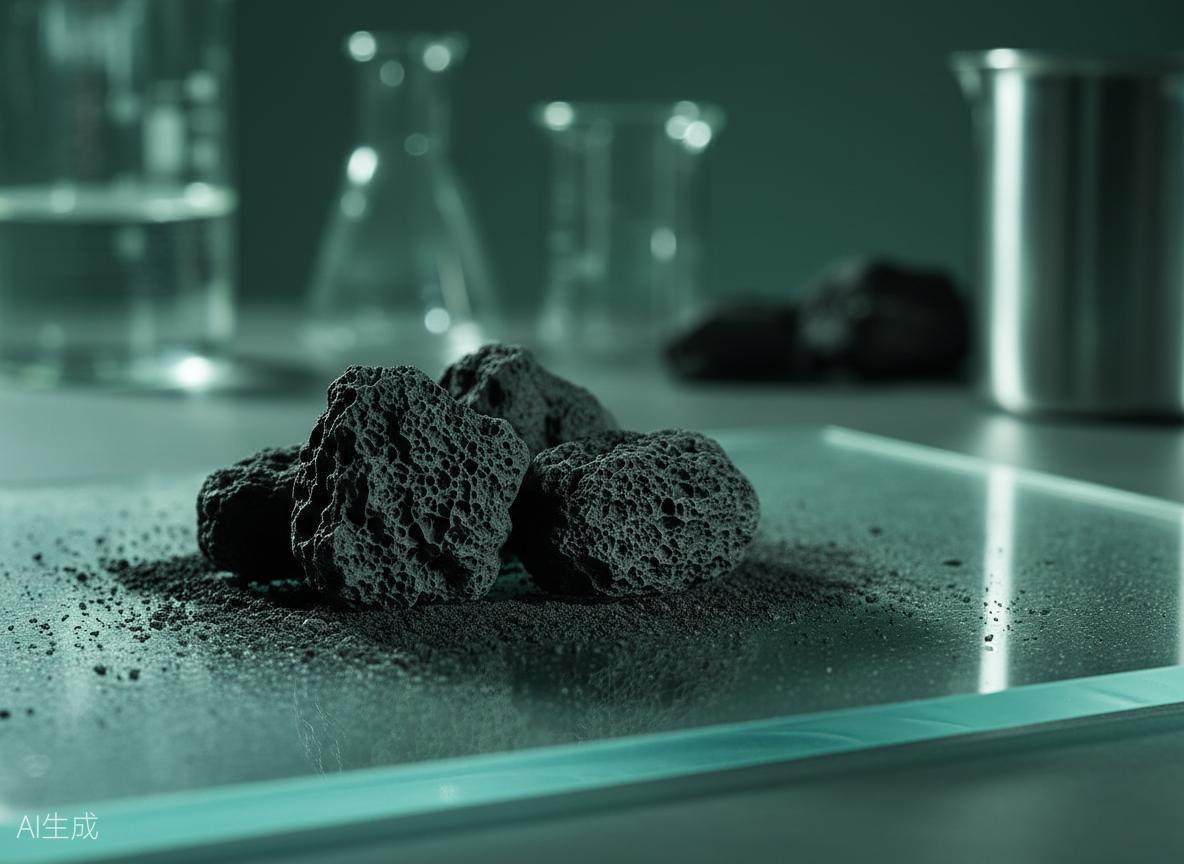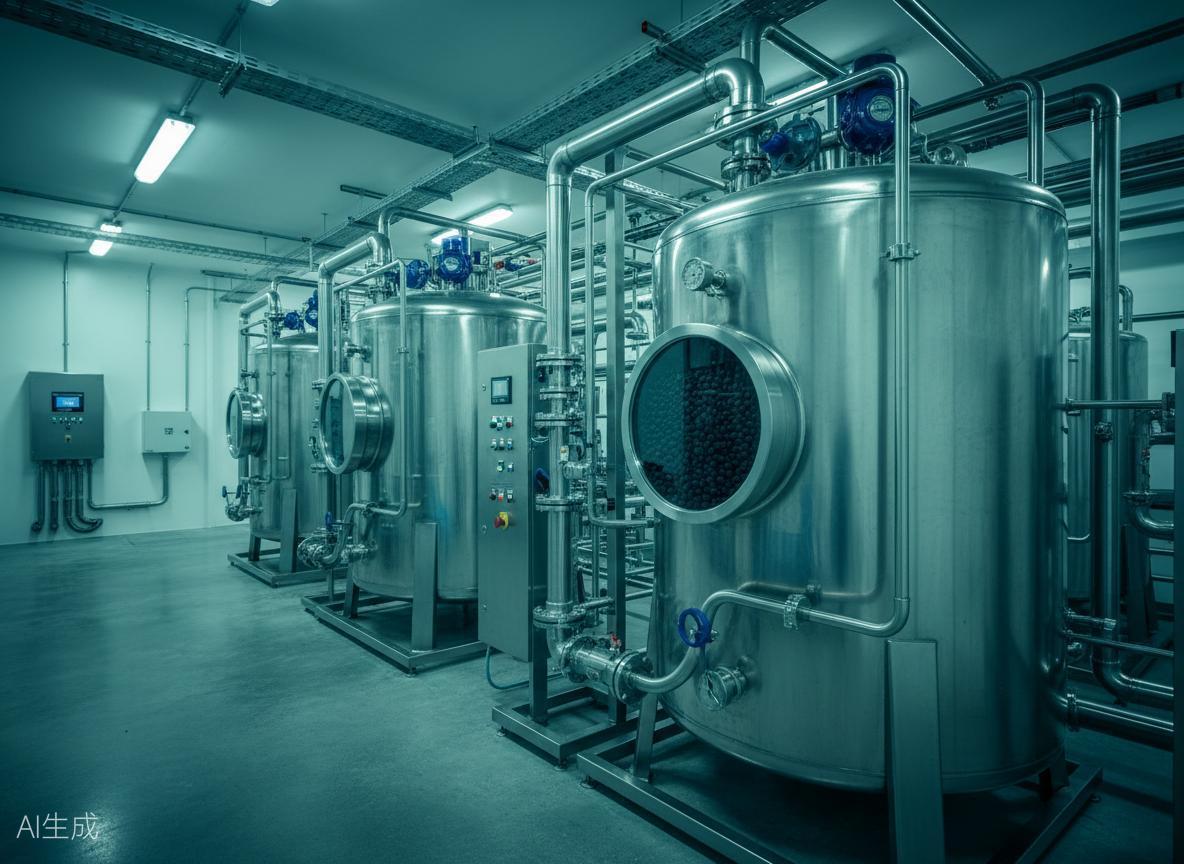
Designing a water-treatment system with bamboo activated carbon requires settling several core engineering parameters: filtration rate, empty-bed contact time (EBCT), bed dimensions, and expected replacement cycle. These directly affect treatment performance and operating cost. This article provides design reference values for both municipal drinking water and industrial wastewater.
Core design parameters
| Parameter | Municipal drinking water | Industrial wastewater | Note |
|---|---|---|---|
| Filtration rate | 8–20 m/h | 5–15 m/h | Lower rate = better adsorption but larger bed |
| EBCT | 10–15 min | 15–30 min | More complex pollutants need longer EBCT |
| Bed height | 1.5–3.0 m | 2.0–4.0 m | Insufficient height risks breakthrough |
| Operating flow | Up to 80% of design rate | Up to 80% of design rate | Ensures adequate contact time |
| Backwash frequency | 1–2 times/week | Every 2–3 days | Industrial wastewater has more suspended solids |
| Backwash intensity | 8–12 L/m²/s | 12–15 L/m²/s | Target 25–35% bed expansion |
Bed sizing example
For a municipal drinking-water project: flow rate Q = 100 m³/h, design EBCT = 12 min, design filtration rate v = 10 m/h. Carbon-bed volume V = Q × EBCT ÷ 60 = 100 × 12 ÷ 60 = 20 m³. Cross-sectional area A = Q ÷ v = 100 ÷ 10 = 10 m². Bed height H = V ÷ A = 20 ÷ 10 = 2.0 m. With a bulk density of 400 kg/m³ for bamboo activated carbon, initial fill = 20 × 400 = 8,000 kg = 8 tons.
Replacement-cycle estimation
Replacement cycles depend on raw-water quality, treated-water targets, and adsorption capacity. For municipal drinking water that has already passed conventional treatment (coagulation-sedimentation-filtration), the activated carbon polishing stage typically runs one to three years before replacement. For industrial wastewater with higher pollutant loads, the cycle may shorten to six to twelve months. The key trigger is COD or target-contaminant breakthrough: when treated-water concentration approaches 80% of the design limit, replacement should be scheduled.
Operating cost estimate
| Cost item | Estimate | Note |
|---|---|---|
| Carbon purchase (8 t fill) | $14,400–$28,000 | At $1.80–$3.50/kg |
| Labor for replacement | $2,000–$5,000 | Depends on bed count and location |
| Spent-carbon disposal | $500–$1,500/t | Thermal regeneration or landfill |
| Annual O&M (incl. backwash) | $3,000–$8,000 | Varies with scale |
| Total 3-year cost (8 t fill) | $20,000–$45,000 | Example for the 8-ton fill scenario |
Engineering differences: bamboo vs coal-based carbon
- Bulk density 25–35% lower: same volume needs fewer kilograms, but same weight takes more volume.
- Slightly lower hardness: more fines during backwash; control backwash intensity carefully.
- More developed mesopores: may outperform coal carbon for larger organic molecules (MW > 1,000).
- Lower ash: less long-term pH impact on treated water.
Designing a water-treatment system? Tell us your flow rate, raw-water quality, and treated-water targets, and we will help with carbon selection and fill estimation.
Request Quote