
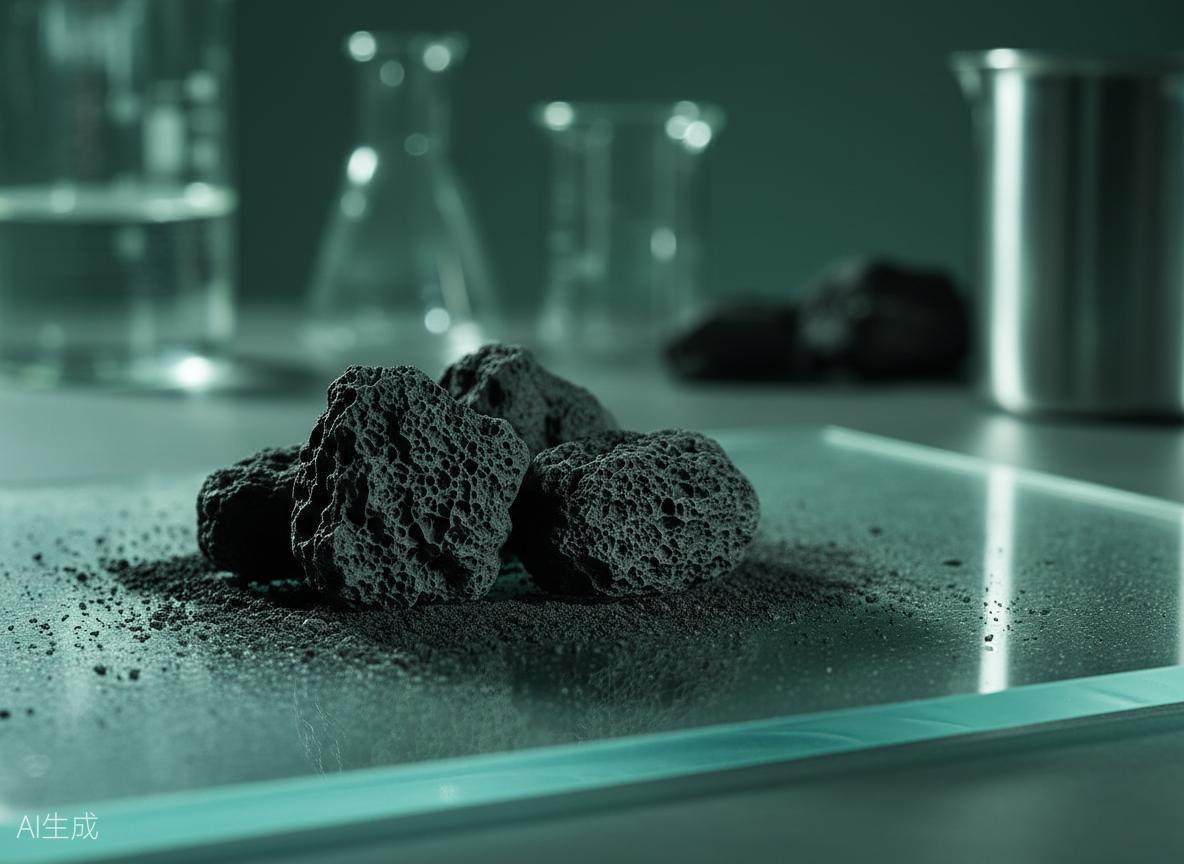
Bamboo activated carbon and coal-based activated carbon perform the same core function of adsorption, but they do not behave exactly the same in pore structure, ash level, density, and some application preferences. Buyers should compare them by target contaminant, regeneration logic, system design, and cost basis rather than by the raw-material label alone.
Raw-material and pore-structure differences
| Parameter | Coal-Based Activated Carbon | Bamboo Activated Carbon |
|---|---|---|
| Raw-material route | Coal-derived | Bamboo-derived |
| Pore tendency | Often strong in micropore-oriented applications | Often discussed as having a broader pore distribution balance |
| Ash content | Can be higher depending on grade | Often lower in many bamboo-based grades |
| Bulk density | Often higher | Often lighter in bulk |
How should buyers compare performance?
Do not compare only by iodine value. Water treatment, VOC control, decolorization, and odor removal can favor different parameter combinations. In some projects, hardness and backwash durability matter more. In others, ash, pore distribution, or weight-to-volume logic matters more.
Application-fit logic
- For water treatment, both routes can work, but buyers should compare target contaminant, hardness, and replacement cycle.
- For air purification and some HVAC use, the lighter bulk-density profile of bamboo-based grades may be useful in volume-based system design.
- For mature industrial routes with long historical qualification, coal-based grades may remain the more familiar baseline unless bamboo grades are validated by trial.
Cost and supply-chain review
Quotation comparison should include more than FOB price. Buyers should also review MOQ, lead time, source-country dependence, regeneration or replacement cycle, and the practical usable performance under the target system conditions.
If you are comparing bamboo activated carbon with coal-based activated carbon, send the target contaminant, contact time, particle-size requirement, and application scenario. That makes the technical comparison far more reliable than comparing material names alone.
Request Quote