
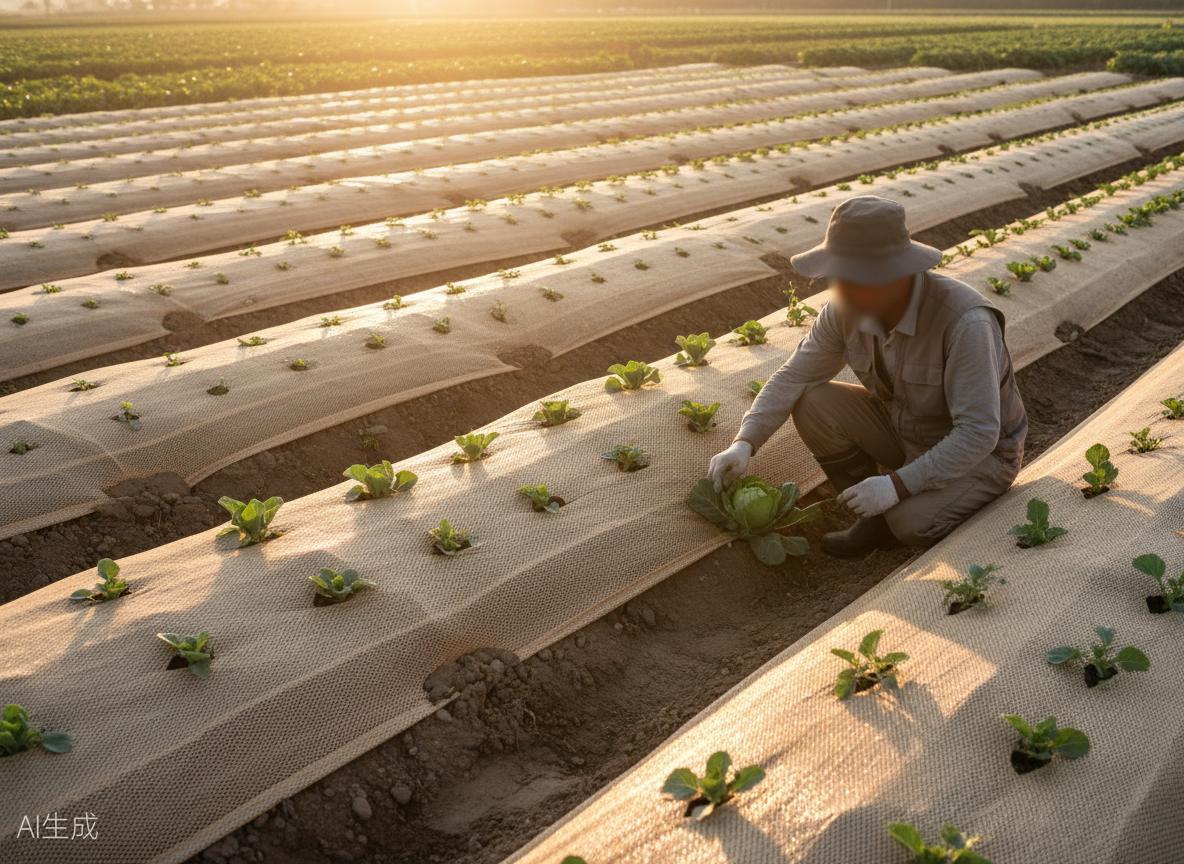
Bamboo-based biodegradable mulch film is designed to replace part of the use cases of conventional PE agricultural film. The real sourcing question is not only whether it can degrade, but whether it can maintain field performance through the crop cycle while reducing the recovery burden after harvest.
Field-performance comparison
| Performance Item | PE Agricultural Film | Bamboo-Based Mulch Film |
|---|---|---|
| Weed suppression | Usually stable | Depends on color, thickness, and laying method |
| Moisture retention | Usually stable | Often sufficient for basic coverage needs |
| Soil warming | Often stronger | Usually somewhat lower, depending on crop and condition |
| Tensile strength | Often higher | Should be checked by thickness and formulation |
| Puncture resistance | Often higher | Should be verified against crop, soil surface, and laying method |
| Use period | Used through season and then removed | Designed around one crop cycle rather than multi-season reuse |
Degradation timing depends heavily on climate
The degradation rhythm of bamboo-based mulch film is affected by temperature, humidity, soil biology, irrigation frequency, and formulation. Results can differ significantly by crop and region, so supplier tables should be treated as discussion references rather than substitutes for local field testing.
Why should cost be compared by full-season logic?
PE film usually has the lower material price, but it also carries recovery and residue-handling cost. Bamboo-based mulch film often costs more at purchase stage, so the useful comparison is seasonal total cost after labor, residue management, and trial risk are added.
Organic and certification considerations
Because the product route may include biodegradable polymers in addition to bamboo-based ingredients, buyers should not assume organic compatibility based on the material name alone. If the project needs organic-market acceptance, the actual formulation should be reviewed against the target certification system first.
A safer procurement approach
- Run one or two field plots before large-scale replacement.
- Check crop cycle, temperature pattern, and irrigation conditions first.
- Request similar-climate trial data from the supplier.
- Judge value by seasonal total cost instead of film price alone.
If you want to compare bamboo-based mulch film with PE film for a real farming project, send the crop type, growth cycle, climate conditions, and planting area. That is the right starting point for thickness and trial planning.
Request Quote