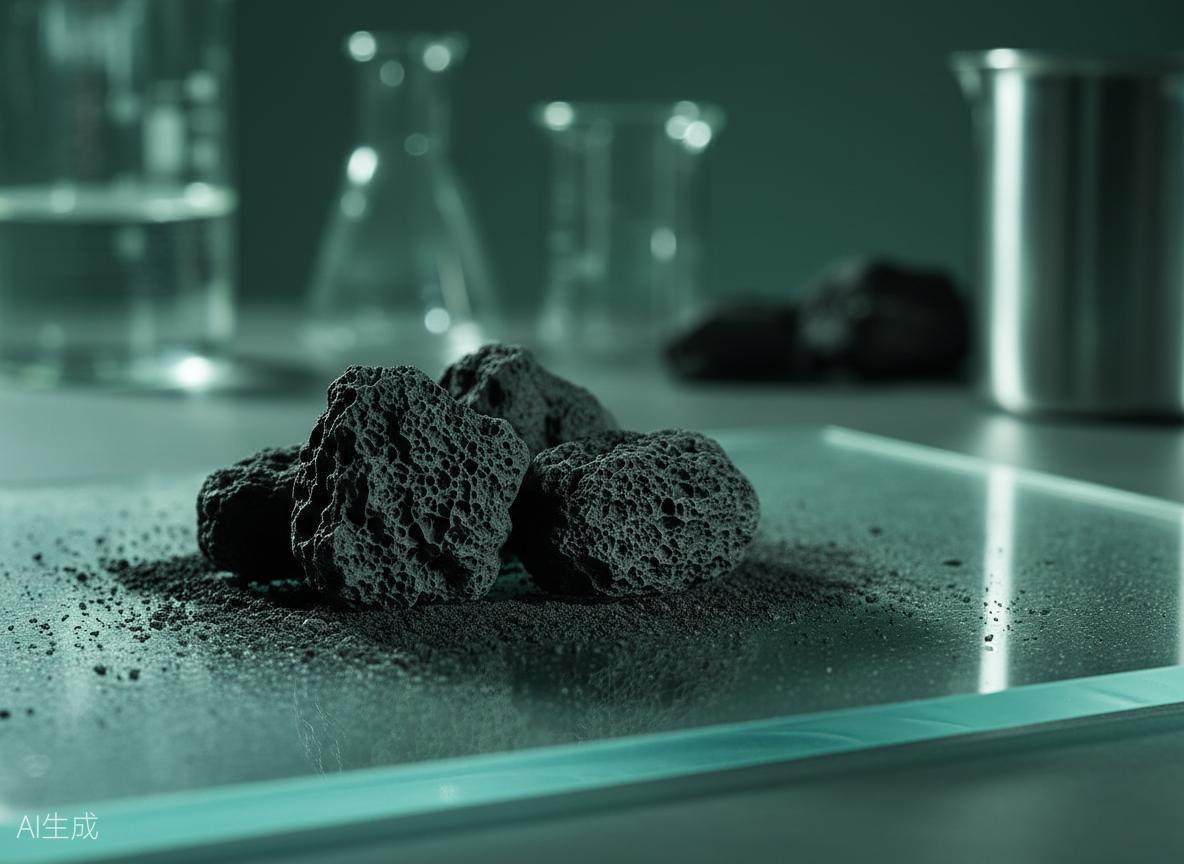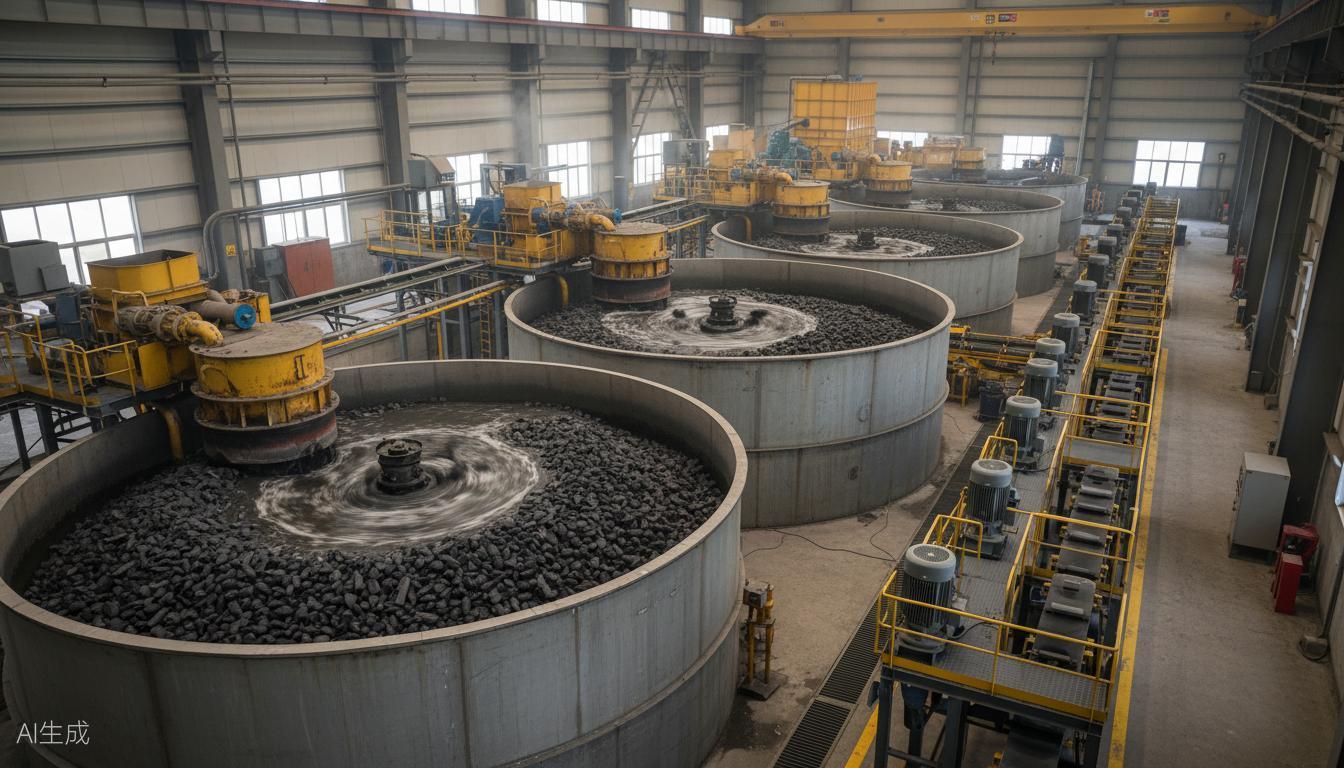
Carbon-in-leach (CIL) and carbon-in-pulp (CIP) are the dominant processes for modern gold recovery, with activated carbon as the core material. Coconut-shell carbon has long dominated this market due to its hardness and ideal pore structure. Bamboo activated carbon, with its lower price and comparable performance, is attracting increasing attention from mining operations.
Key performance indicators for gold-recovery carbon
| Parameter | Bamboo carbon | Coconut-shell carbon | Note |
|---|---|---|---|
| Iodine value (mg/g) | 1,000–1,200 | 1,050–1,300 | Determines gold-loading capacity |
| Abrasion resistance (%) | ≥92 | ≥96 | Determines loss rate |
| Ash (%) | 5–10 | 3–5 | Higher ash reduces loading |
| Bulk density (kg/m³) | 380–420 | 440–480 | Affects tank design |
| Particle size (mm) | 1.0–3.0 | 1.0–3.0 | Industry standard |
| Price (CNY/ton) | ¥6,000–¥9,000 | ¥9,000–¥14,000 | Bamboo carbon costs 30–40% less |
Gold loading capacity
Gold loading capacity measures the ability to adsorb the gold-cyanide complex [Au(CN)₂]⁻. Under standard test conditions (Au concentration 10 mg/L, pH 10.5, 24 h contact), bamboo carbon loads 12.5 g Au per kg carbon, compared with 14.2 g/kg for coconut-shell carbon. Bamboo carbon reaches about 88% of the coconut-shell value. The difference is mainly due to higher ash content (8% vs 4%), where mineral matter occupies some pore space.
Elution efficiency
| Parameter | Bamboo carbon | Coconut-shell carbon |
|---|---|---|
| Gold loading (g Au/kg C) | 12.5 | 14.2 |
| Elution temperature (°C) | 110 | 110 |
| Elution time (h) | 8 | 8 |
| Elution rate (%) | 98.2 | 98.5 |
| Residual gold (g/kg C) | 0.22 | 0.21 |
| Reusable cycles | 5–6 | 8–10 |
Abrasion and loss
In gold recovery, carbon is continuously agitated in adsorption tanks; abrasion is the main source of loss. Coconut-shell carbon has better abrasion resistance (≥96%) than bamboo carbon (≥92%), meaning bamboo carbon generates more fines under the same conditions. Real operating data show monthly loss rates of about 3–5% for bamboo carbon and 2–3% for coconut-shell carbon. For large mines using more than 1,000 tons of carbon per year, this difference significantly affects operating cost.
Overall economic comparison
| Cost item | Bamboo carbon | Coconut-shell carbon |
|---|---|---|
| Carbon purchase (CNY/ton) | ¥8,000 | ¥12,000 |
| Gold loading (g/kg C) | 12.5 | 14.2 |
| Gold processed per ton of carbon (kg) | 12.5 × 5 = 62.5 | 14.2 × 8 = 113.6 |
| Gold loss over carbon life (kg) | 62.5 × 2% = 1.25 | 113.6 × 1.5% = 1.70 |
| Total carbon cost per g Au (CNY) | ¥0.128 | ¥0.106 |
Application recommendations
- Small mines (<500 t carbon/year): bamboo carbon is recommended (lower purchase cost, acceptable total cost).
- Large mines (>1,000 t carbon/year): coconut-shell carbon is recommended (longer life, lower overall cost).
- Elution-electrowinning combined plants: both are suitable (elution efficiency is nearly identical).
- Operations requiring many recycle cycles: coconut-shell carbon is recommended (more regeneration cycles).
- Cost-sensitive operations: try a 70/30 blend of bamboo and coconut carbon to balance cost and life.
Need bamboo activated carbon samples for gold-recovery testing? We can provide gold-loading capacity tests, elution-efficiency verification, and on-site trial support.
Request Quote