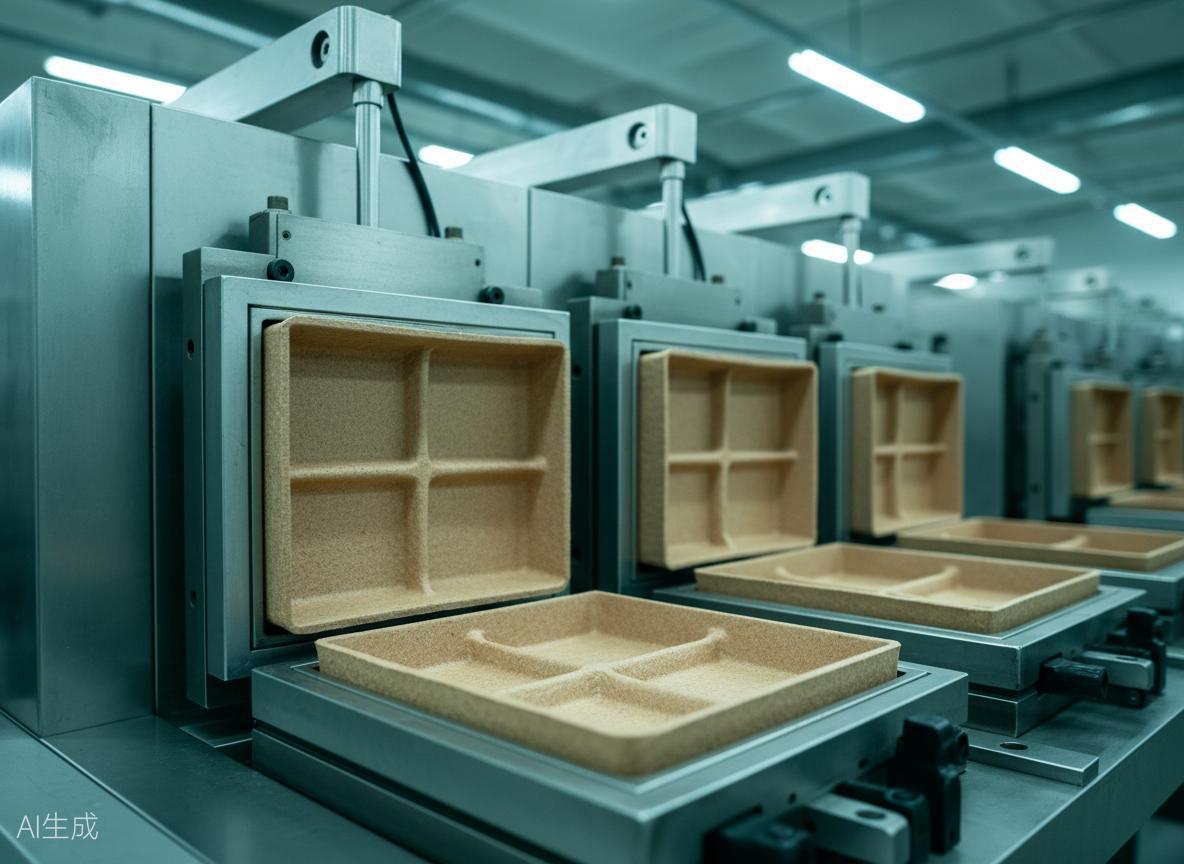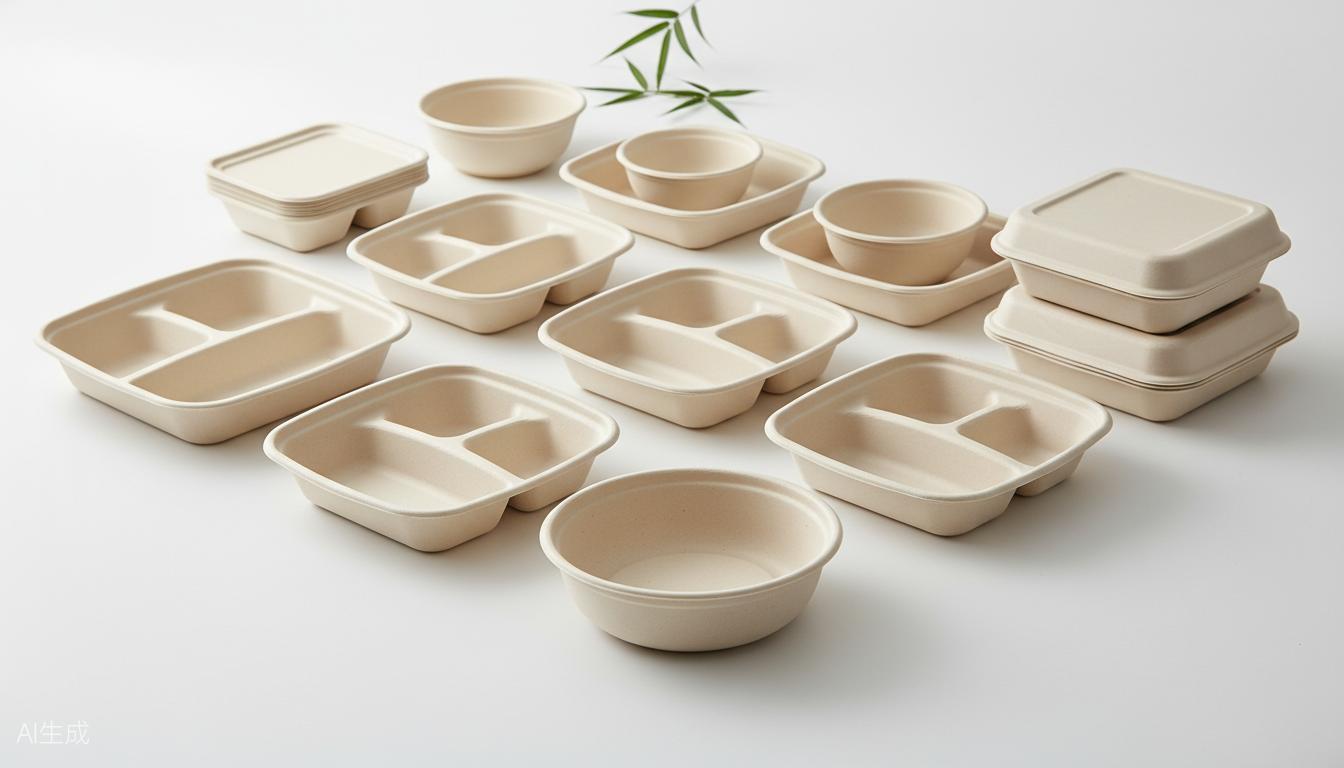
Meal-box selection affects food fit, stacking, transport efficiency, and cost. Buyers choosing bamboo molded meal boxes should compare compartment layout, volume, wall thickness, and stacking logic instead of choosing size only by appearance.
How should buyers compare meal-box formats?
| Format | Typical Use | Main Decision Point |
|---|---|---|
| Single-compartment | Simple meals, desserts, or lighter dishes | Capacity and lid compatibility matter most |
| Two-compartment | Main plus side dish | Balance between food separation and compact size |
| Three-to-five compartment | Set meals and nutrition-focused menus | Compartment proportion and transport stability become more important |
| Round or special shapes | Soup, noodles, or branded concept packaging | Tooling cost and stacking efficiency should be checked early |
What should buyers size by?
- Real food portion size with some headspace left for transport
- Whether the package will be stacked in delivery or retail handling
- Wall thickness required for grease resistance or microwave use
- MOQ and tooling impact if the shape is nonstandard
Why can a larger box still be the wrong choice?
Oversized boxes increase cost, freight burden, and food movement in transit. Good meal-box selection is usually about right-fit capacity rather than simply choosing the biggest pack.
If you are selecting bamboo molded meal boxes, define food type, portion size, transport mode, and whether reheating is required before locking the format. Those factors usually determine the right compartment layout quickly.
Request Quote