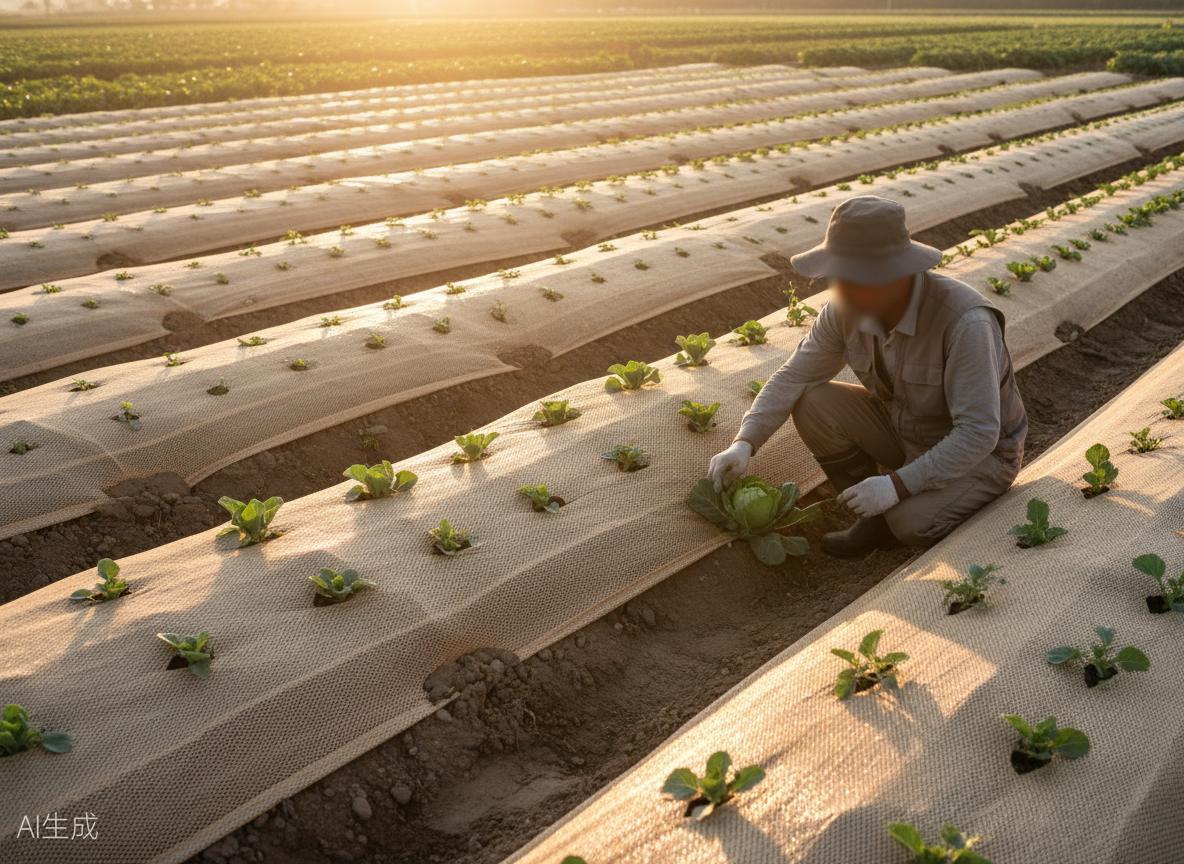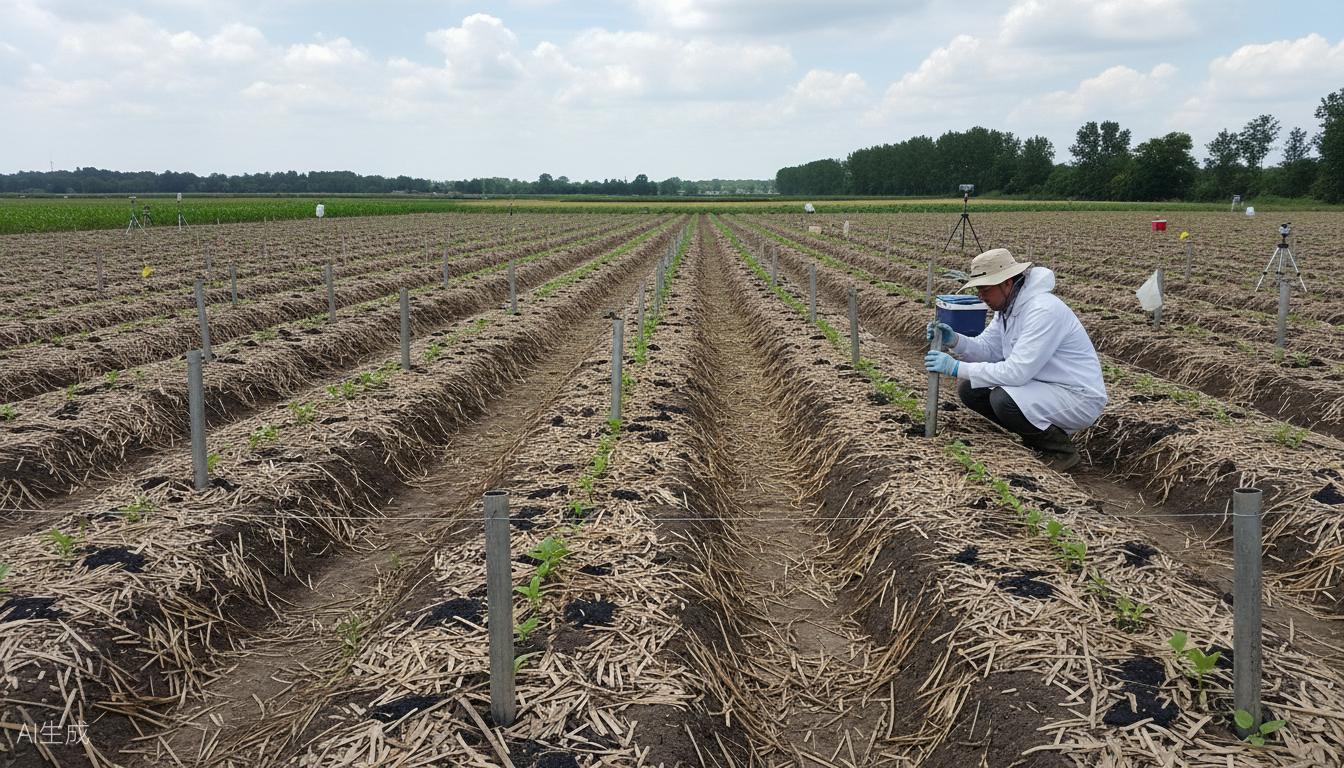
Soil-microbiology concerns are common whenever a degradable agricultural material is introduced. The 16S rRNA sequencing data in this article suggests bamboo mulch film degradation does not suppress the soil ecosystem. Instead, it appears to support slightly higher microbial diversity and beneficial functional groups compared with PE-covered soil.
What happened to diversity?
| Time Point | No-Film Control Shannon | Bamboo Mulch Film Shannon | PE Film Shannon |
|---|---|---|---|
| Before coverage | 6.82 | 6.85 | 6.80 |
| 30 days | 6.78 | 6.92 | 6.65 |
| 90 days | 6.75 | 6.88 | 6.42 |
| 3 years | 6.88 | 6.93 | 6.30 |
What changed in the community structure?
The article highlights an increase in Actinobacteria and Firmicutes, both of which are associated with organic-matter breakdown and nutrient cycling, while no meaningful rise in major soil pathogens was detected. That is a much stronger ecological signal than simply saying the film is “safe”.
If you need ecological evidence before switching from PE to bamboo mulch film, soil-microbiome data is one of the strongest decision supports. It helps show not only that the film degrades, but how the soil responds while it does.
Request Quote