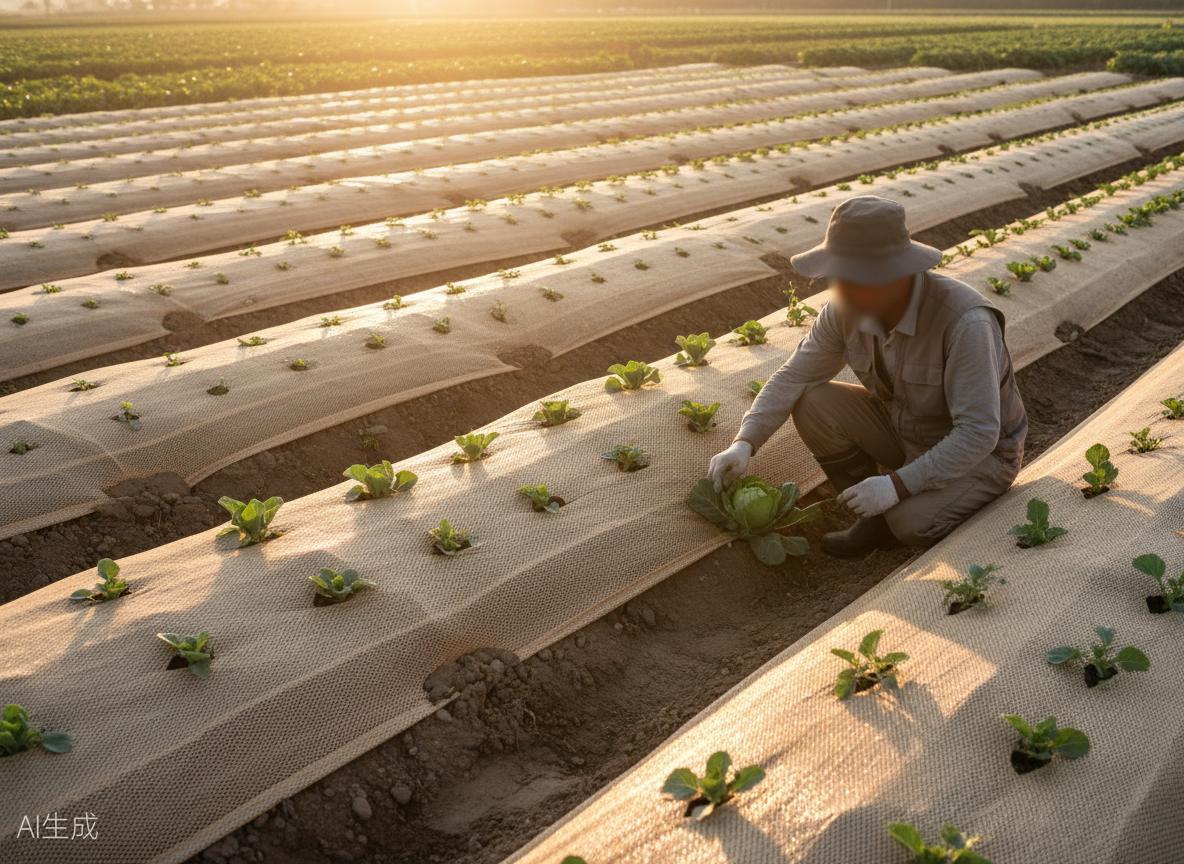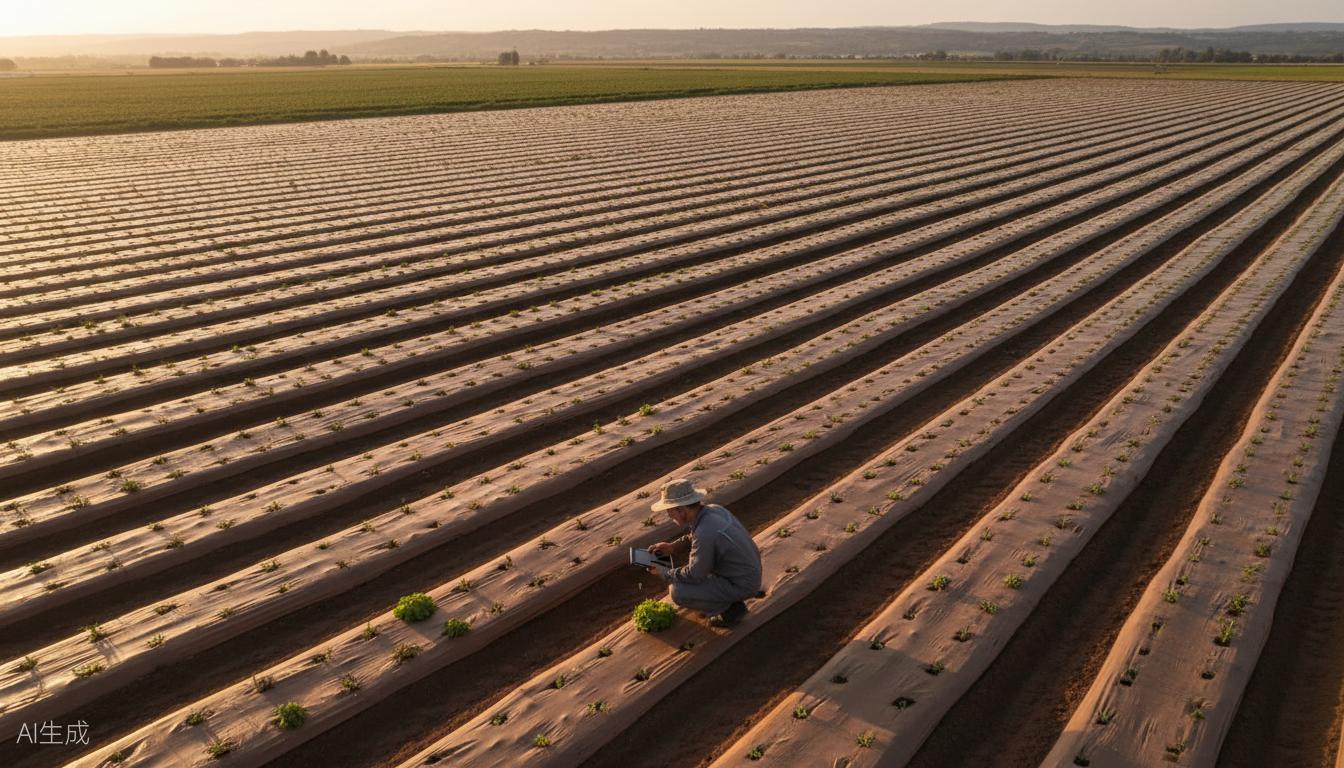
Soil type changes how quickly bamboo mulch film degrades and how much agronomic value the film provides. That is why buyers should not use one generic mulch-film specification for sandy soils, clay, and loam without checking whether the crop cycle still matches the degradation profile.
How do the soil types compare?
| Time Point | Sandy Soil | Clay | Loam |
|---|---|---|---|
| 30 days | 15-20% degradation | 8-12% | 12-18% |
| 90 days | 60-75% | 40-55% | 55-70% |
| 120 days | 80-90% | 60-75% | 75-85% |
| 180 days | 95-98% | 85-92% | 93-97% |
Why is sandy soil often faster?
The article points to higher summer soil temperatures, stronger aeration, and greater daily temperature swings, all of which can accelerate biological and physical breakdown. Clay tends to be slower because poorer aeration and adhered particles reduce the degradation pace.
How should buyers use this data?
Sandy soils may need a thicker or slower-degrading grade for longer-season crops, while clay may benefit from thinner film or a faster-degrading formulation. Loam is often the easiest environment for a general-purpose grade.
If you are selecting bamboo mulch film for a new region, start by matching the crop cycle to the soil type. Degradation fit is one of the biggest drivers of real field success.
Request Quote