
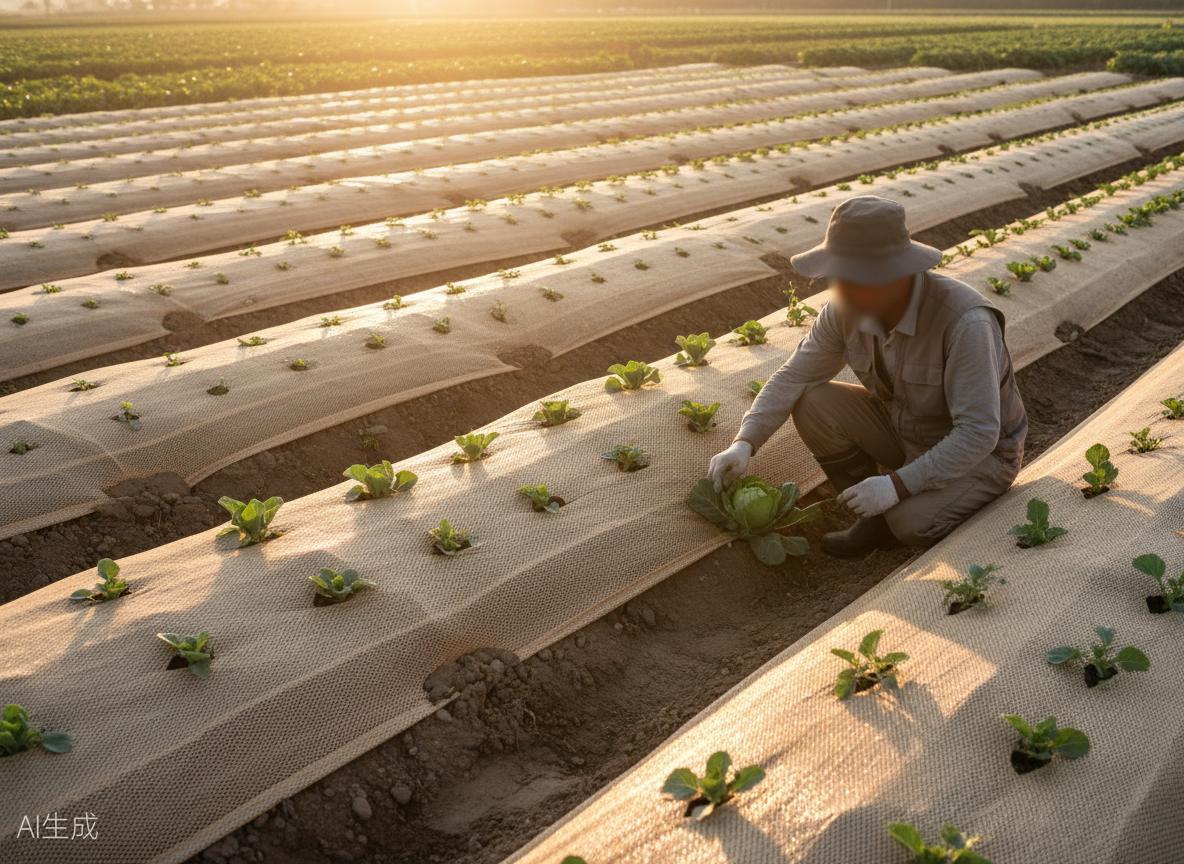
Growers often ask which crops fit biodegradable mulch film best, but the more practical question is which crop-and-climate combinations match the film’s functional life and degradation rhythm. This article is useful because it summarizes field data from several regions rather than relying on one crop alone.
What does the summary show across crops?
| Crop | Representative Region | Main Field Benefit | Cost Logic |
|---|---|---|---|
| Rice | Panjin, Liaoning | Temperature, weed suppression, and water-saving potential | Should be reviewed against local input cost |
| Cotton | Kashgar, Xinjiang | Functional through the crop cycle with post-season degradation | Often compared against PE plus recovery labor |
| Fresh corn | Jianou, Fujian | Reduces residue-management burden and seasonal recovery work | Labor savings can be meaningful |
| Vegetables and potatoes | Several regions | Stable temperature and moisture support | Project economics vary by crop value and rotation |
Which crops often fit best first?
The strongest early-fit crops are usually those with a clear mulch-film benefit and a crop cycle that matches the degradation window, such as cotton, corn, vegetables, and some rice systems. Very short-cycle crops and some perennial systems often need more careful evaluation.
If you are considering biodegradable mulch film for a farm project, compare your crop cycle, climate, and post-season labor cost together. The best-fit crop is usually the one whose field schedule matches the film’s breakdown schedule.
Request Quote