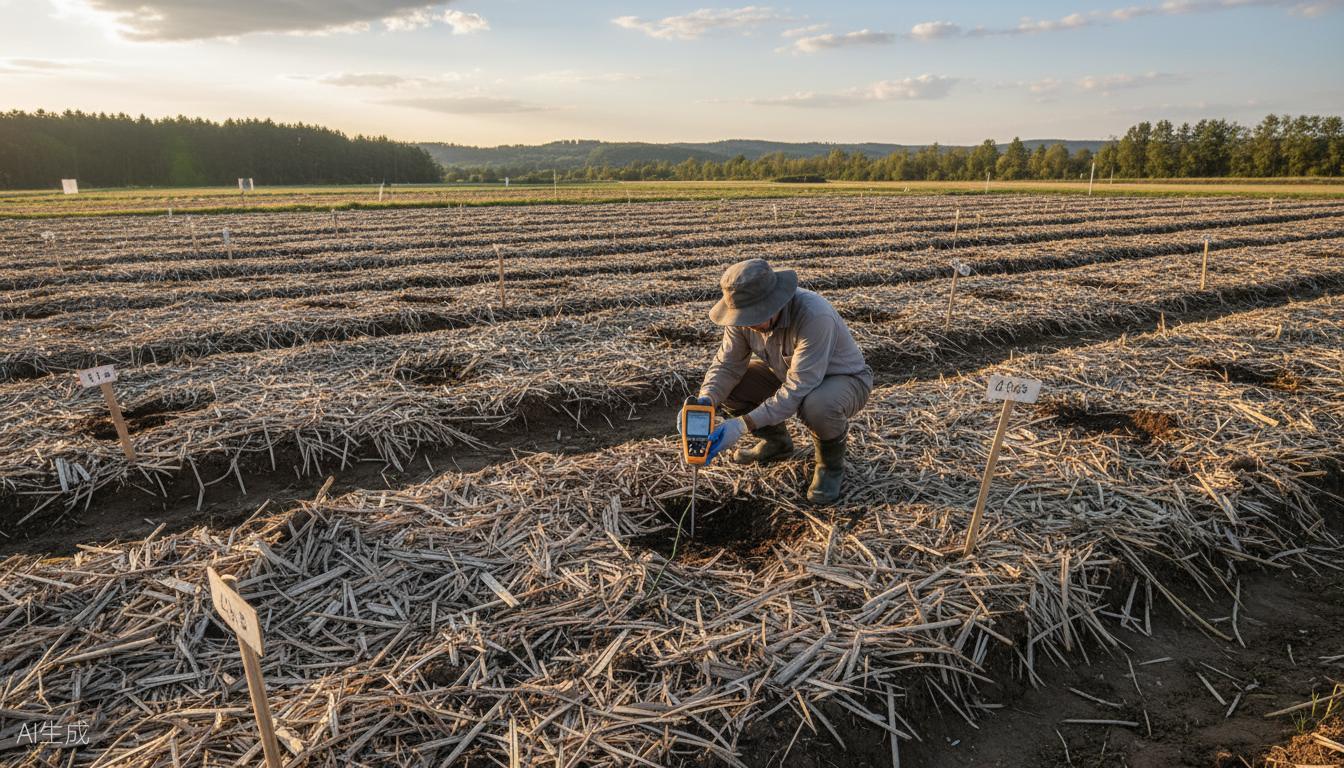
One common buyer concern is whether bamboo mulch film does anything useful after degradation or whether it simply disappears without benefit. The long-term field data in this article suggests that the degradation products do have some positive effect on soil fertility, but that effect should be treated as a side benefit rather than a replacement for real fertilization.
What changed over three years?
| Indicator After 3 Years | Control | Bamboo Mulch Film | Change |
|---|---|---|---|
| Soil organic matter | 24.0 g/kg | 25.5 g/kg | +6.3% |
| Total nitrogen | 1.42 g/kg | 1.58 g/kg | +11.3% |
| Available phosphorus | 18.5 mg/kg | 20.2 mg/kg | +9.2% |
| Available potassium | 105 mg/kg | 118 mg/kg | +12.4% |
| CEC | 15.2 cmol/kg | 16.8 cmol/kg | +10.5% |
How should growers interpret these numbers?
The gains are real but modest, and they remain much smaller than the effect of using equivalent organic fertilizer. The correct interpretation is that bamboo mulch film may contribute slightly to soil improvement over time, but its main value is still moisture retention, temperature management, no recovery step, and avoiding PE residue.
If your farm wants to understand the long-term soil effect of bamboo mulch film, use this data as evidence of a small positive side benefit, not as a reason to reduce normal fertilization programs.
Request Quote