For buyers planning to sell bamboo molded packaging, bamboo tableware, or bamboo-fiber products into the United States, the project pace is often affected less by the factory quotation and more by tariff review, customs-description accuracy, and whether the document set aligns from start to finish. Many orders look ready on the factory side but still lose time at clearance stage because the product description is vague, the HS logic is unsettled, or the paperwork is inconsistent.
Four things worth confirming before the shipment moves
- Whether the HS code and tariff logic have already been reviewed by the customs broker or import adviser.
- Whether the commercial-invoice description is specific enough instead of using a vague label such as “bamboo products”.
- Whether the project involves food contact and therefore needs FDA-related or other supporting files.
- Whether sample-stage wording, production-stage wording, and final invoice wording stay consistent.
Cost items buyers often miss in US import planning
| Cost Item | Why It Gets Missed | What Buyers Should Do |
|---|---|---|
| Base duty | Buyers often compare supplier quotations before running import-duty logic | Ask the customs broker to confirm the tariff direction before order placement |
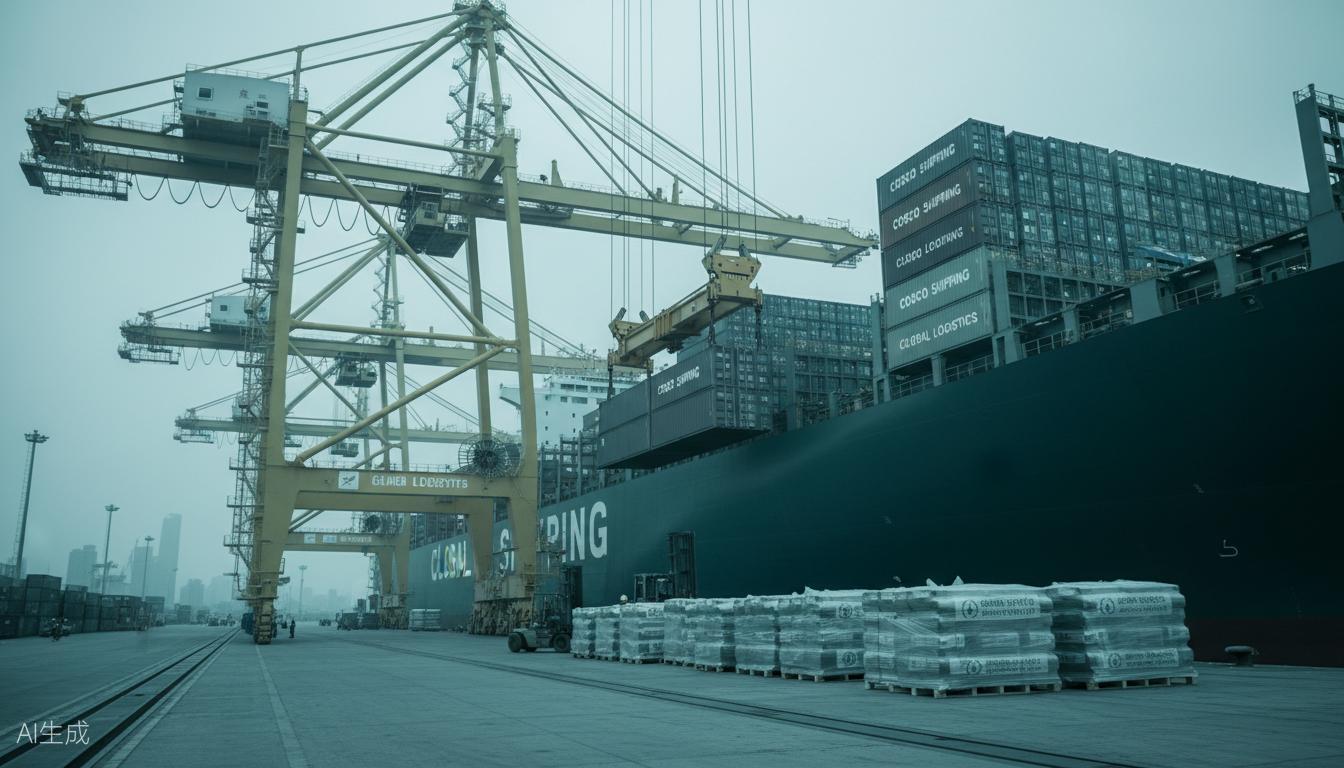
| Port and brokerage charges | They do not appear on the factory quotation | Use landed-cost logic instead of FOB-only comparison |
| Inspection or document-correction cost | It appears only when clearance goes wrong | Unify file wording and product-use description earlier |
| Storage and delay cost | It escalates only after a shipment is held | Avoid leaving final document review until the last day before shipment |
Which customs descriptions create the most trouble?
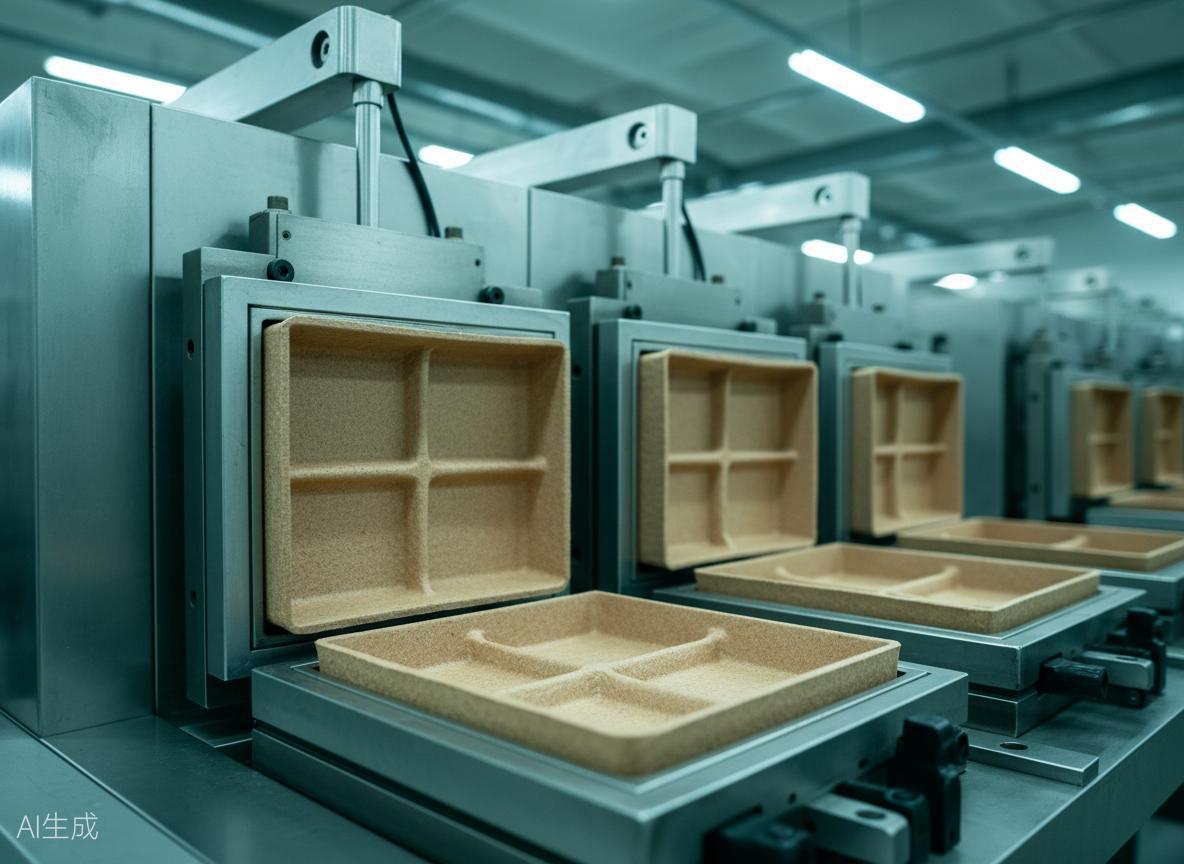
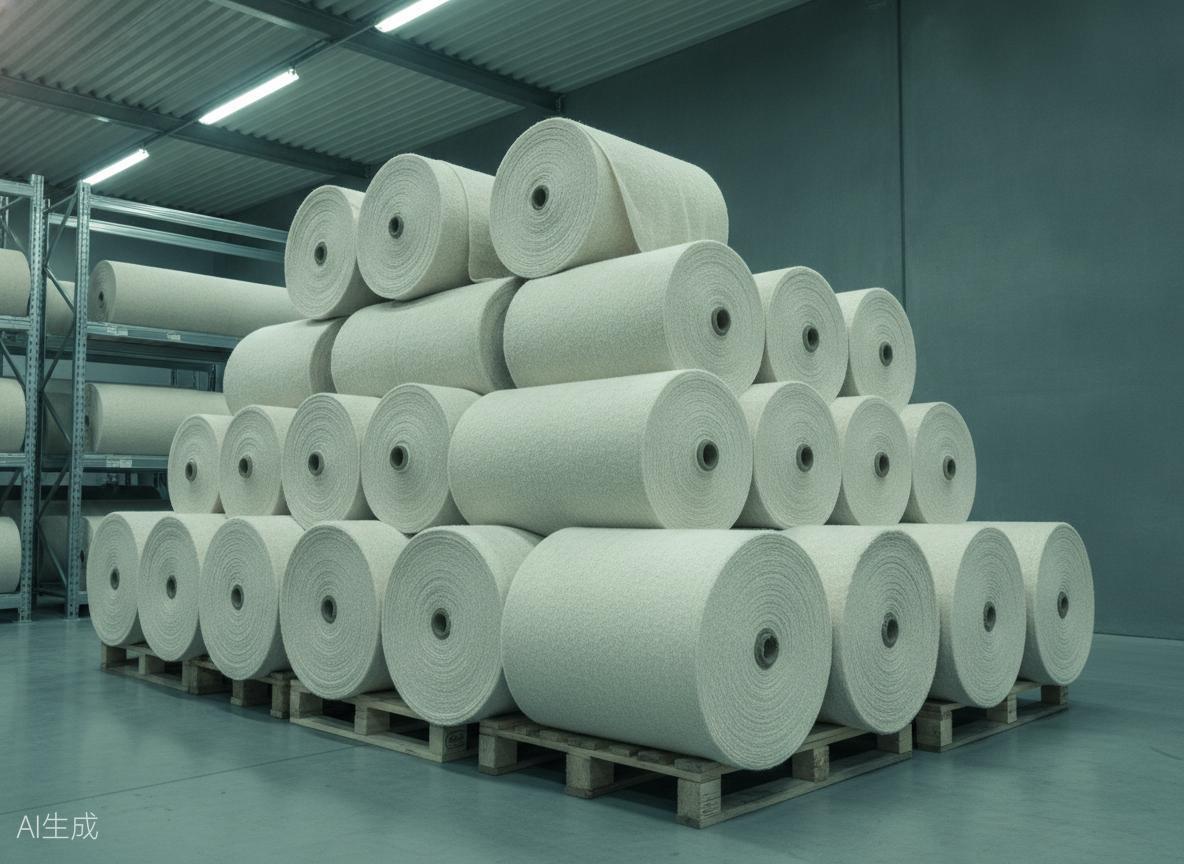
One common problem is that invoices and packing lists use wording that is too broad, or that sample-stage wording and production-stage wording are completely different. For bamboo molded trays, disposable bamboo cutlery, and bamboo fiber roll materials, buyers should write the product form, main use, material basis, and food-contact status clearly. The more concrete the wording is, the fewer repeated questions appear during clearance.
A steadier US-project workflow
- Share target state or sales-channel requirements during quotation rather than after the PO is issued.
- Send HS logic, description, use notes, and test files to the customs broker for early review.
- Check that PI, invoice, packing list, and test reports all use the same product description before shipment.
- Include tariff and port charges in landed-cost comparison instead of comparing only FOB price.
Why is it worth doing this early?
Because the US market problem is often not whether the goods can be imported at all, but whether the import information is complete enough to be understood and released smoothly. The earlier those basics are aligned, the lower the chance of costly delay and back-and-forth after shipment.
If you are preparing a bamboo-material shipment for the US market, organize the HS logic, tariff review, product description, and document scope before the order is released for production. Earlier customs preparation usually means fewer surprises at arrival.
Request Quote