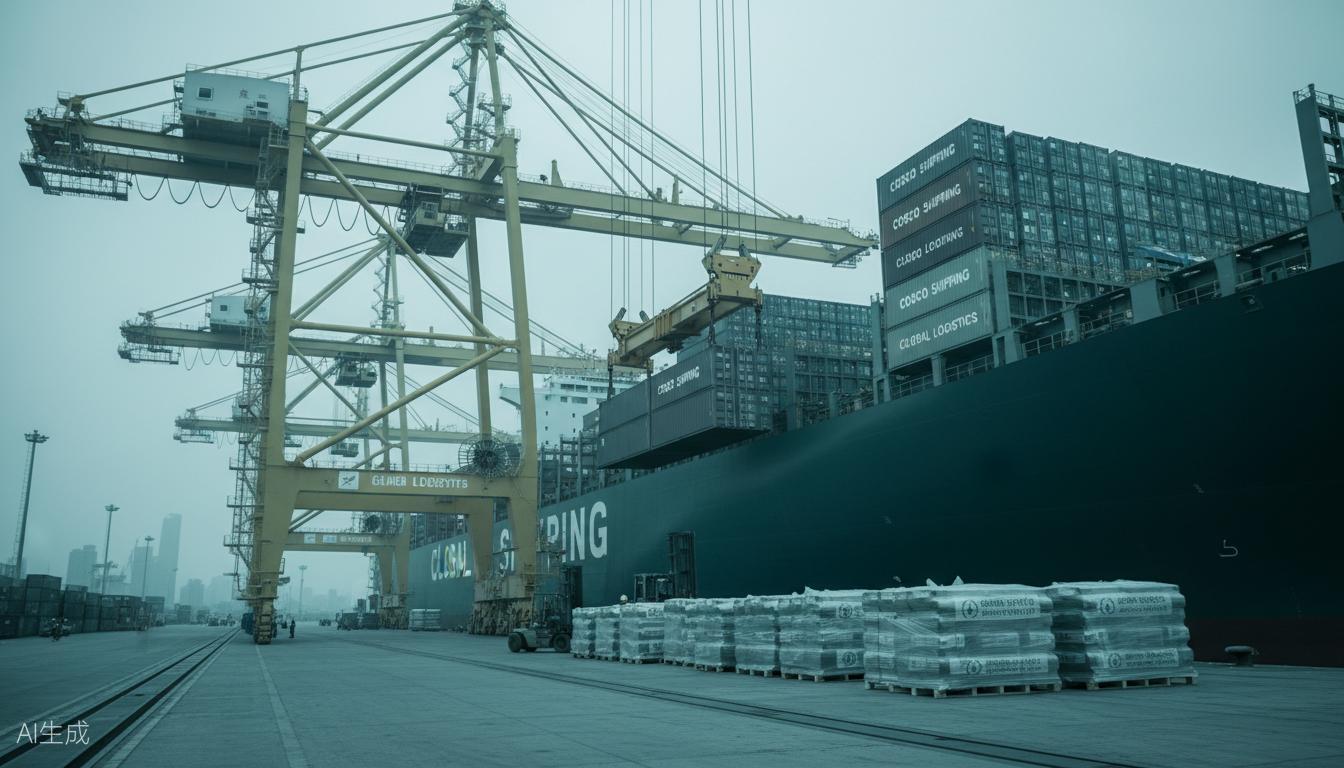
For importers buying bamboo molded packaging, bamboo tableware, and bamboo fiber products from China, HS code is not just a last-minute customs task. It directly affects duty calculation, file preparation, and shipment timing. Many projects look fine at quotation stage but later get delayed because the classification logic, invoice wording, or declared product description was never aligned.
Why can two “bamboo products” fall under completely different HS codes?
Customs classification does not depend only on material name. It depends on final product form, main use, whether it is single-use, whether it is food-contact, and whether it contains coating or composite layers. Bamboo molded trays, bamboo cutlery, and bamboo fiber roll materials may all be bamboo-based, but they are not classified the same way.
Six things buyers should confirm before placing the order
- Confirm the final use: food packaging, industrial insert, disposable tableware, or agricultural material.
- Confirm the structure and process: pure bamboo molded pulp, bamboo woodware, or a composite with PLA, paper, or other materials.
- Confirm whether food-contact use is involved, because that changes product description and test-file expectations.
- Confirm the target-market tariff logic, since the US, EU, and UK do not always treat similar goods the same way.
- Confirm consistency across packing list, invoice, specification sheet, and test reports.
- Confirm whether the supplier has shipped similar product types many times before, because that usually reduces classification risk.
What buyers should prepare for common categories
| Category | Main Classification Logic | What Buyers Should Prepare |
|---|---|---|
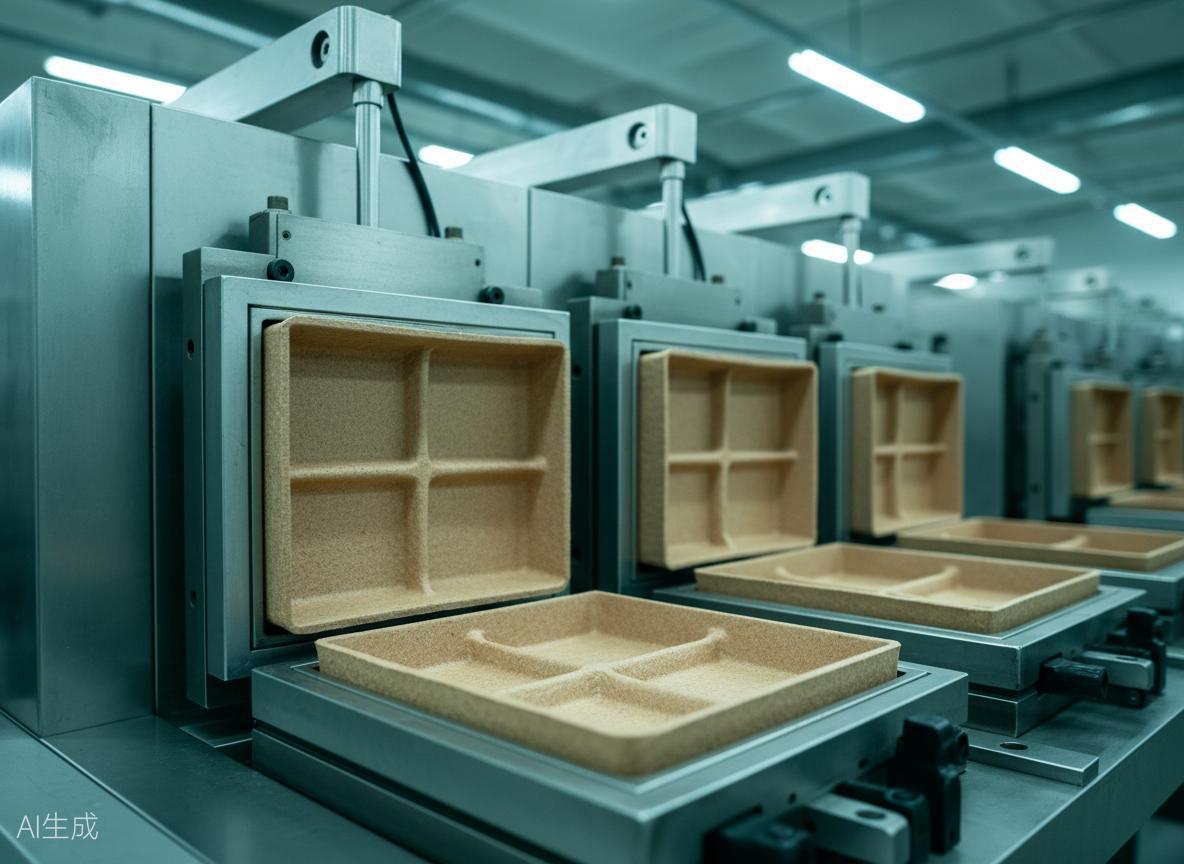
| Bamboo molded packaging | Check whether it is a formed packaging part, food-contact packaging, or a coated/composite structure | Specification sheet, material note, use description, product photos |
| Bamboo tableware | Check whether it is tableware or kitchenware, single-use or reusable, and whether it is sold as a set | Dimension details, material description, food-contact test references |
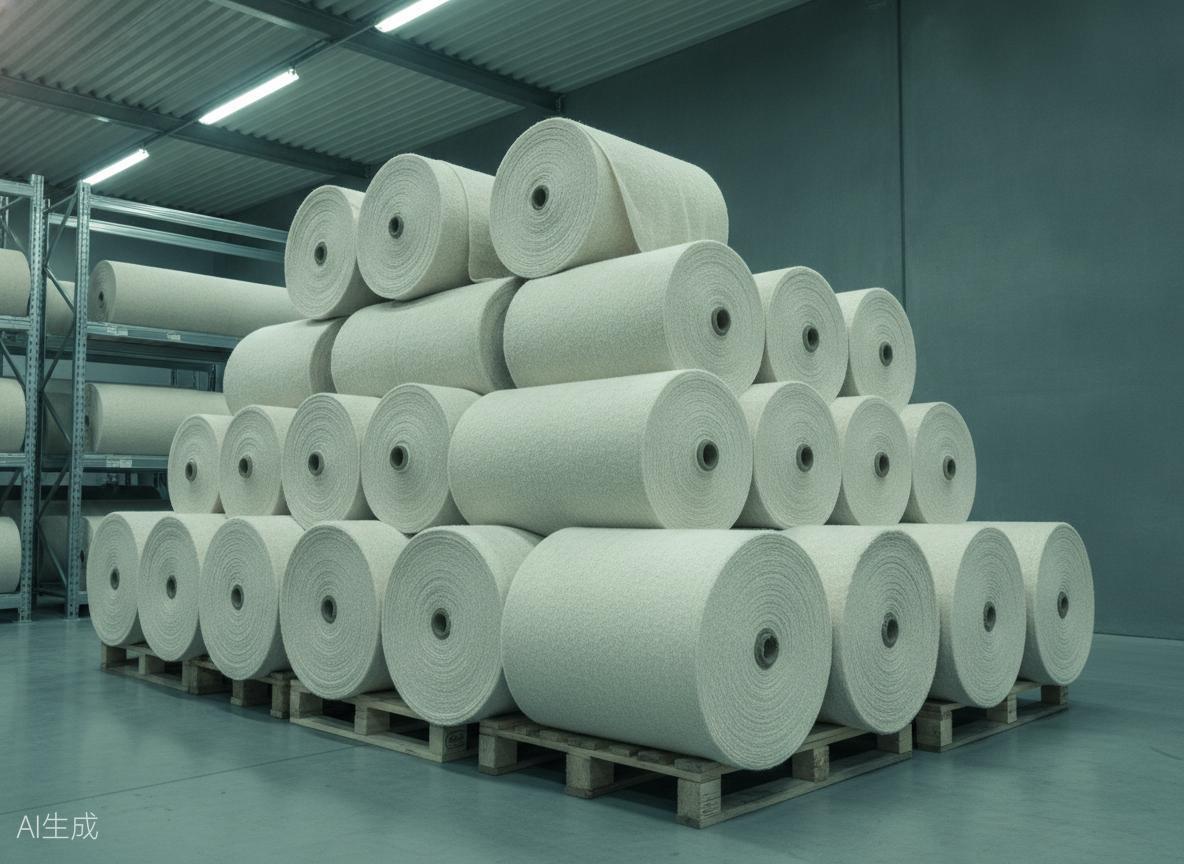
| Bamboo fiber nonwoven | Check whether it is roll material, finished product, or semi-finished product, and what the final use is | GSM, width, end-use explanation, and necessary test files |
Three common mistakes that lead to customs delays
- Using a vague description such as “bamboo products” in the quotation and then repeating it in shipping documents.
- Copying the HS code from an older project without checking whether structure or end use has changed.
- Letting test reports, labels, and commercial invoices describe the product differently.
A safer approach for buyers
If the first order value is significant, it is worth sending product photos, specifications, and use description to a customs broker or import adviser before mass production. Earlier confirmation of HS logic usually reduces rework in document preparation and improves landed-cost calculation.
If you are preparing to import bamboo molded packaging or bamboo tableware, confirm product structure, target market, and declared wording before placing the order. Earlier classification review usually means smoother customs and more reliable cost calculation.
Request Quote