Many import projects compare only the first line of the quotation, such as EXW USD 0.12 per piece or FOB USD 850 per ton. But what actually affects margin is landed cost after the goods reach the warehouse. For products such as bamboo molded packaging, nonwoven, bamboo mulch film, and activated carbon, where volume, duty, and test requirements differ widely, judging only by unit price often leads to the wrong decision.
A landed-cost calculation usually contains at least seven items
- Product price: EXW, FOB, or CIF quotations should first be aligned to the same trade term.
- China domestic logistics and port charges: trucking, declaration, and terminal handling from factory to port.
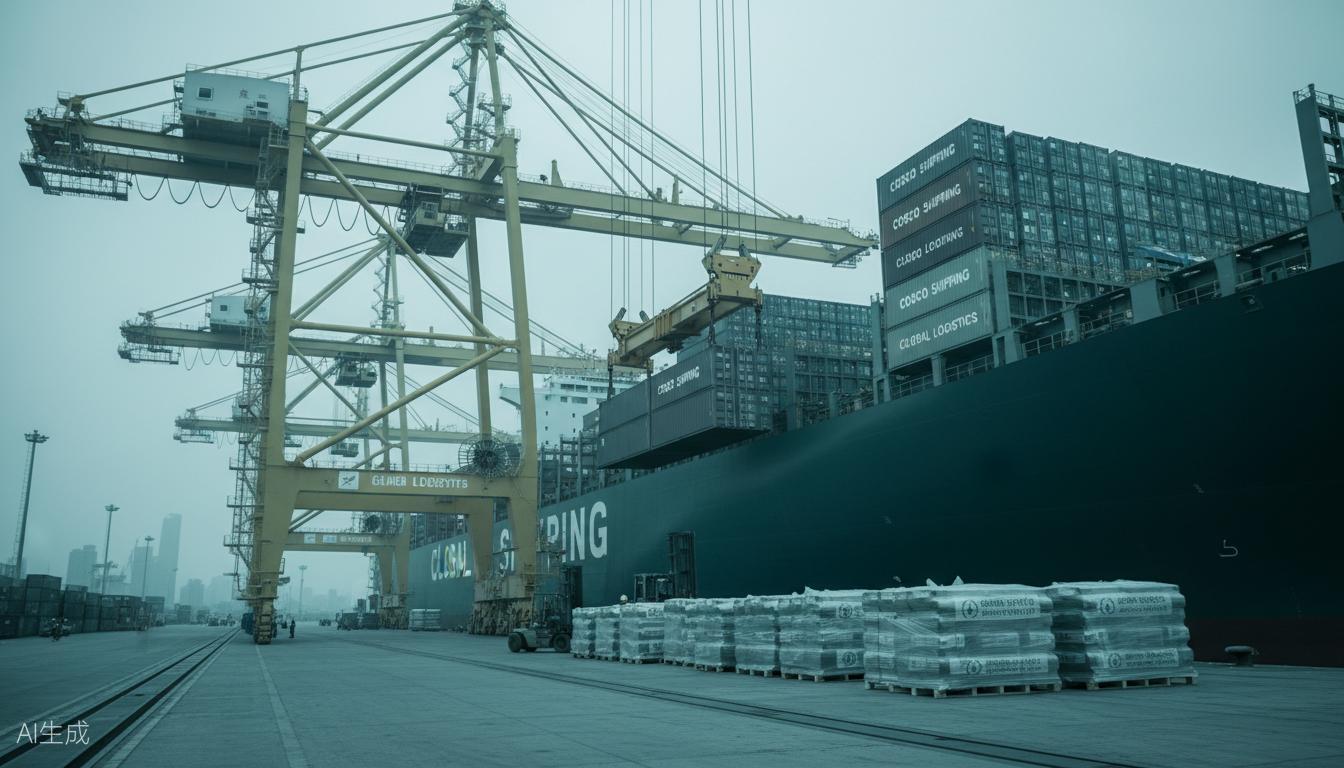
- International freight: FCL, LCL, or air freight can change the cost structure completely.
- Duty and tax: depends on HS code, destination-country rules, and declared value.
- Testing and certification: third-party testing often takes 7-15 working days and should be budgeted separately.
- Customs clearance and inland delivery: broker cost, inspection cost, terminal fees, and last-mile transport.
- Warehousing and capital occupation: often underestimated in slow-turnover projects.
Why is the logic completely different for light cargo and heavy cargo?
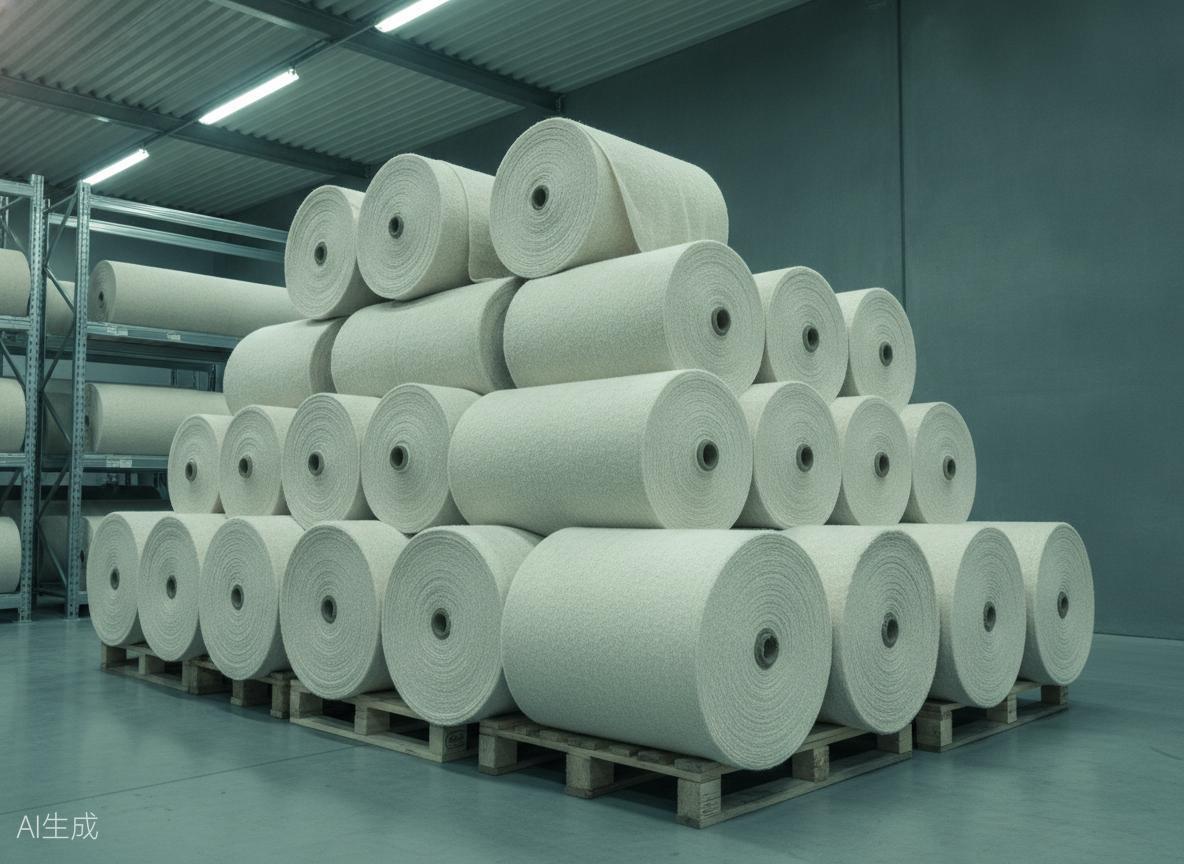
Bamboo molded packaging is usually light cargo, so ocean freight and storage volume efficiency matter a lot. Bamboo activated carbon is much closer to heavy cargo, where per-ton freight, handling, and duty often carry more weight. In the first case, buyers should optimize nesting and container loading. In the second, they should define technical parameters, packing method, and shipment route more carefully.
A practical landed-cost template for internal review
| Cost Item | Typical Weight in the Budget | What Buyers Should Do |
|---|---|---|
| Product price | Often the largest single item, but not always the margin driver | Align different quotations under the same trade term first |
| Ocean freight and inland delivery | Very important in light-cargo projects | Improve container utilization and outer-carton sizing |
| Duty and tax | Highly sensitive to HS code and market policy | Confirm classification and tariff before placing the order |
| Testing and compliance | More visible in new-product and retail projects | Schedule testing early instead of adding it right before shipment |
| Warehousing and loss | Often ignored in slower-turnover projects | Add stock cycle and working-capital cost into the calculation |
Three common cost blind spots in sourcing
- Comparing only FOB price without adding destination-port fees and inland delivery.
- Ignoring testing time and possible retesting, which can delay promotions or launch schedules.
- Ignoring the freight burden caused by poor container utilization and assuming lower unit price automatically means lower total cost.
A more useful way for sourcing teams to calculate cost
It is usually more useful to convert the quotation into warehouse-arrival cost per piece or per ton, then add stock turnover and compliance cost. For lightweight products constrained by 40HQ volume, even if the supplier price is 8%-12% higher, a 20%-30% gain in loading efficiency can still produce a lower landed cost.
If you are comparing bamboo material suppliers, convert the quotation into landed cost before making the decision. The most competitive option is often not the one with the lowest supplier price.
Request Quote