
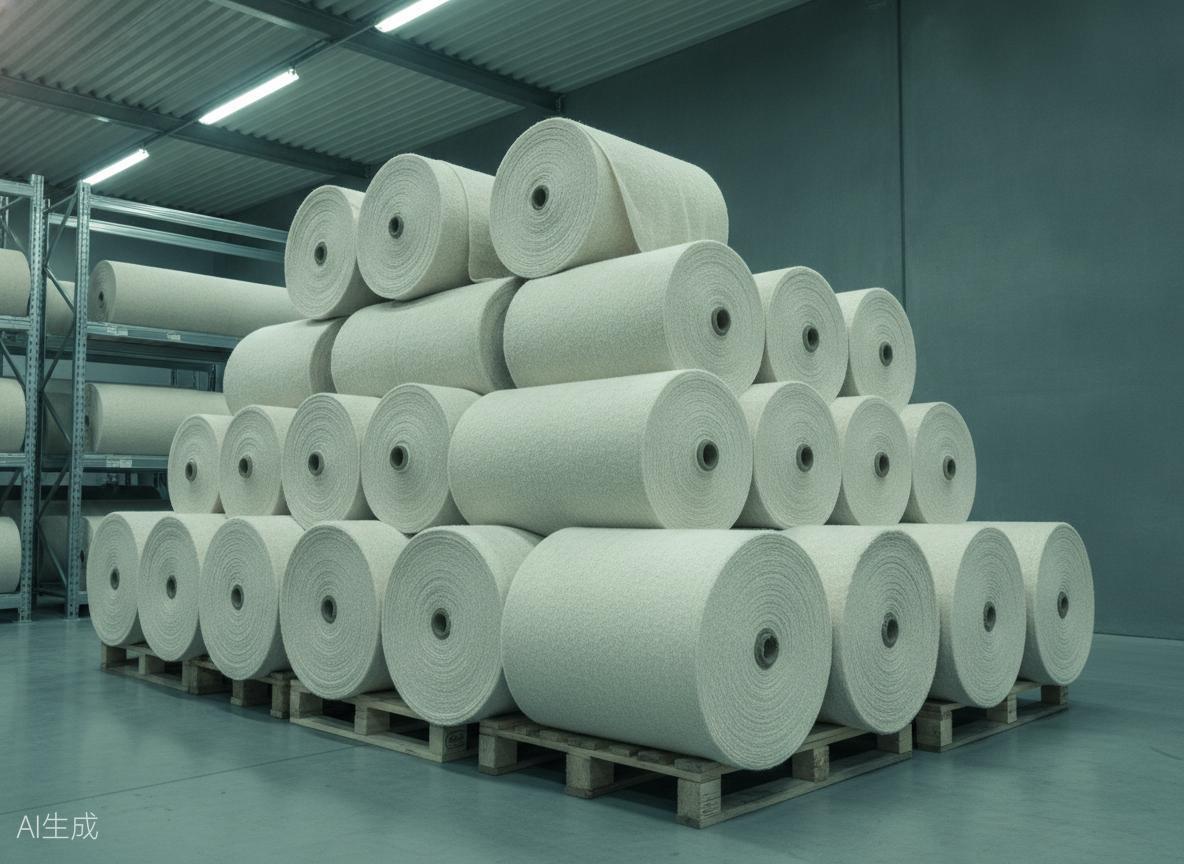
Bamboo fiber nonwoven is often compared with PP nonwoven, but the real sourcing decision should not be based on the word “natural” alone. Buyers need to compare strength, hand feel, absorbency, GSM range, use case, and compliance route. Different projects will favor different material logic.
Basic material differences
| Parameter | PP Nonwoven | Bamboo Fiber Nonwoven |
|---|---|---|
| Raw material | Polypropylene, petroleum-based | Bamboo-derived cellulose or blended fiber systems |
| Typical process | Spunbond or meltblown | Hydroentangled, thermal-bonded, or other fiber-web processes |
| Hand feel | Often firmer and more plastic-like | Often softer |
| Breathability | Moderate | Often better |
| Absorbency | Poor unless modified | Naturally more favorable |
| End-of-life expectation | Not biodegradable in normal use | Depends on the actual formulation and disposal route |
Application fit
- For wipes and skin-contact products, bamboo fiber nonwoven often competes better on softness and absorbency.
- For reusable shopping bags and more strength-driven applications, PP may remain more cost-efficient and mechanically stronger at the same GSM.
- For hotel or disposable personal-care items, the decision often depends on product positioning, not just material cost.
Cost logic
PP usually retains an advantage in raw-material cost and broad industrial scale. Bamboo fiber nonwoven often costs more because of the fiber route and processing steps. Buyers therefore need to decide whether the project values lower cost, softer feel, different brand positioning, or compliance-related advantages more.
Certification considerations
- Both routes may require REACH or customer-specific chemical review.
- OEKO-TEX may matter for skin-contact use.
- Any FSC-related logic should be checked against the actual supply chain rather than assumed from the bamboo name.
- Food-contact use still needs application-specific confirmation and testing.
If you are comparing bamboo fiber nonwoven with PP nonwoven, send the target GSM, width, application, and market. That makes the material discussion far more useful than a generic “which one is better” comparison.
Request Quote