Wet-strength loss is one of the best-known limitations of bamboo fiber nonwoven. Buyers should understand the root cause before choosing a technical fix, because the most effective route for wipes is not always the best route for degradability or skin-contact claims.
Why does wet strength drop so much?
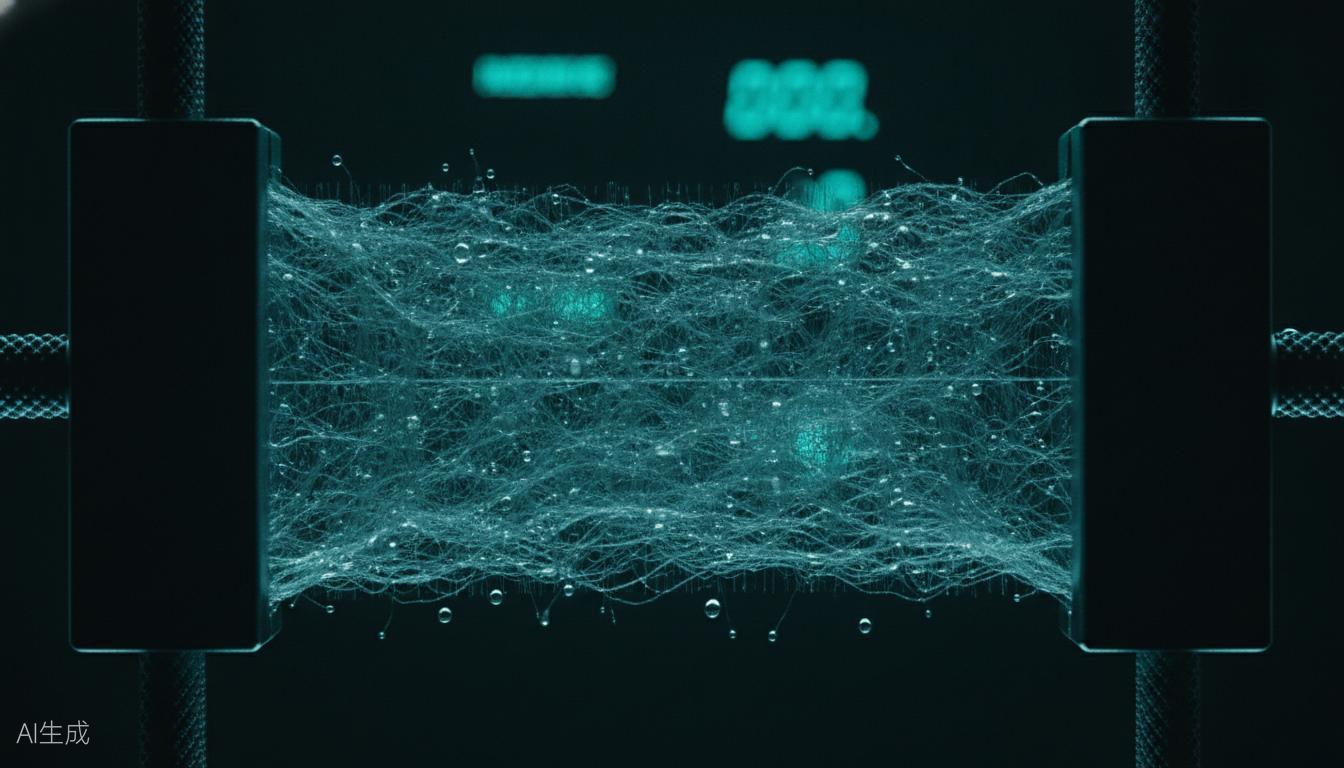
The main reasons are the hydrophilic cellulose structure and the relatively high amorphous fraction in the fiber. Once soaked, fiber swelling weakens interfiber bonding and makes the structure easier to deform or break.
Which improvement routes are most common?
| Route | Wet-Strength Gain | Cost Impact | Main Trade-Off |
|---|---|---|---|
| Crosslinking | About 60-100% | Moderate | May slow biodegradation and can stiffen the hand feel |
| Polyester blending | About 30-150% | Varies by ratio | Reduces degradability as polyester rises |
| Wet-strength resin | About 40-80% | Low to moderate | Chemical-compliance review becomes more important |
| Structural optimization | About 15-25% | Higher material cost | Less dramatic gain but best for sustainability claims |
If your bamboo fiber nonwoven will be used wet, choose the strengthening route after deciding whether the project prioritizes biodegradation, softness, regulatory simplicity, or maximum wet strength.
Request Quote