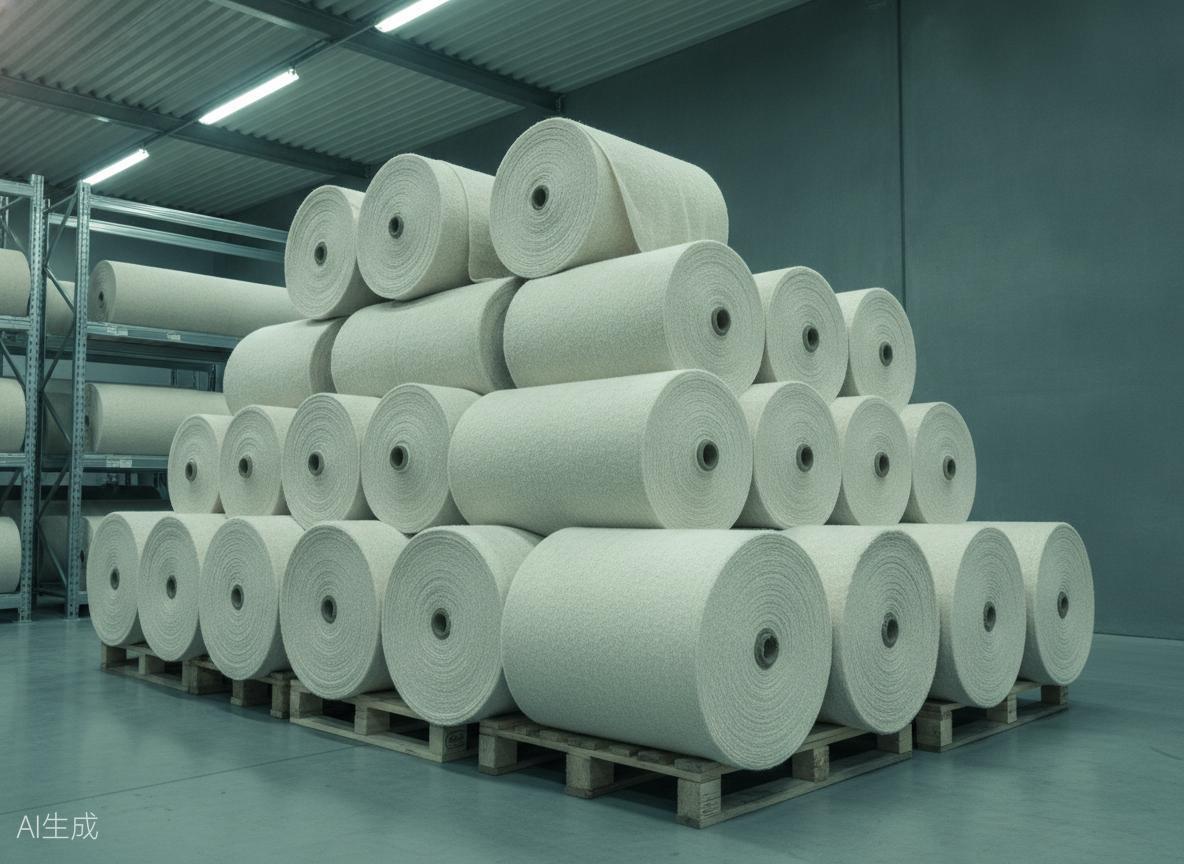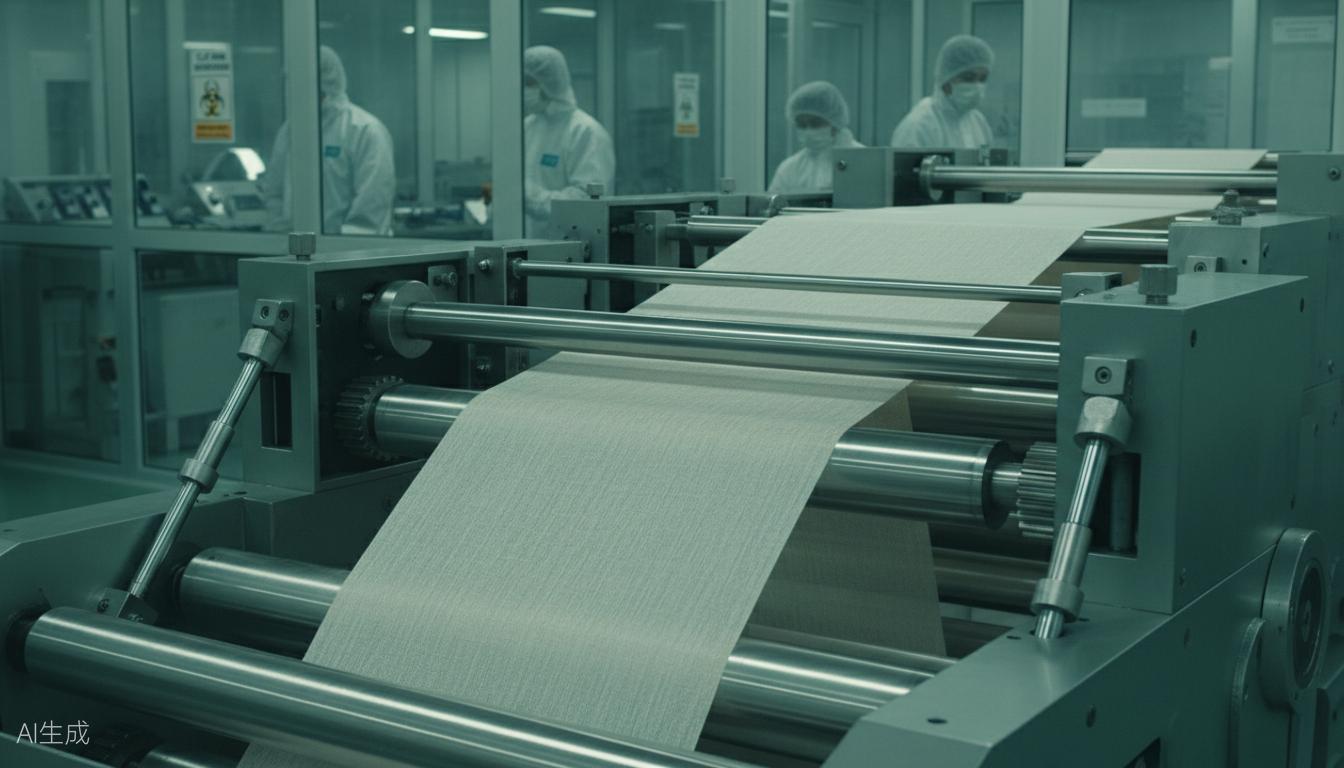
The wipes market is interested in bamboo fiber nonwoven for softness, biodegradation positioning, and premium branding, but real entry barriers still come from wet strength, lotion compatibility, regulatory fit, and stable mass production.
Where are the biggest wipes opportunities?
| Segment | 2025 Market Size | Growth Direction | Why Bamboo Can Be Relevant |
|---|---|---|---|
| Baby wipes | $9.5B | About 6.2% | Natural-fiber positioning and comfort |
| Personal-care wipes | $7.8B | About 5.8% | Biodegradable routes are under more review |
| Household wipes | $6.2B | About 7.5% | Higher interest in differentiated substrates |
| Medical-disinfection wipes | $2.8B | About 9.1% | Comfort and antibacterial positioning are sometimes attractive |
What technical issues decide success?
- Softness and skin feel
- Wet strength after lotion contact
- Linting and pilling control
- Odor and lotion compatibility
- Regulatory path by end market and end use
Why should buyers not rely on “natural antibacterial” alone?
Because baby wipes, medical wipes, and personal-care wipes are ultimately judged by finished-product testing, formulation compatibility, and regulatory compliance. A raw-fiber claim is not enough for market entry.
If you are evaluating bamboo fiber wipes, compare the substrate by wet strength, lotion compatibility, and regulatory route first. Those points matter more than sustainability positioning alone.
Request Quote