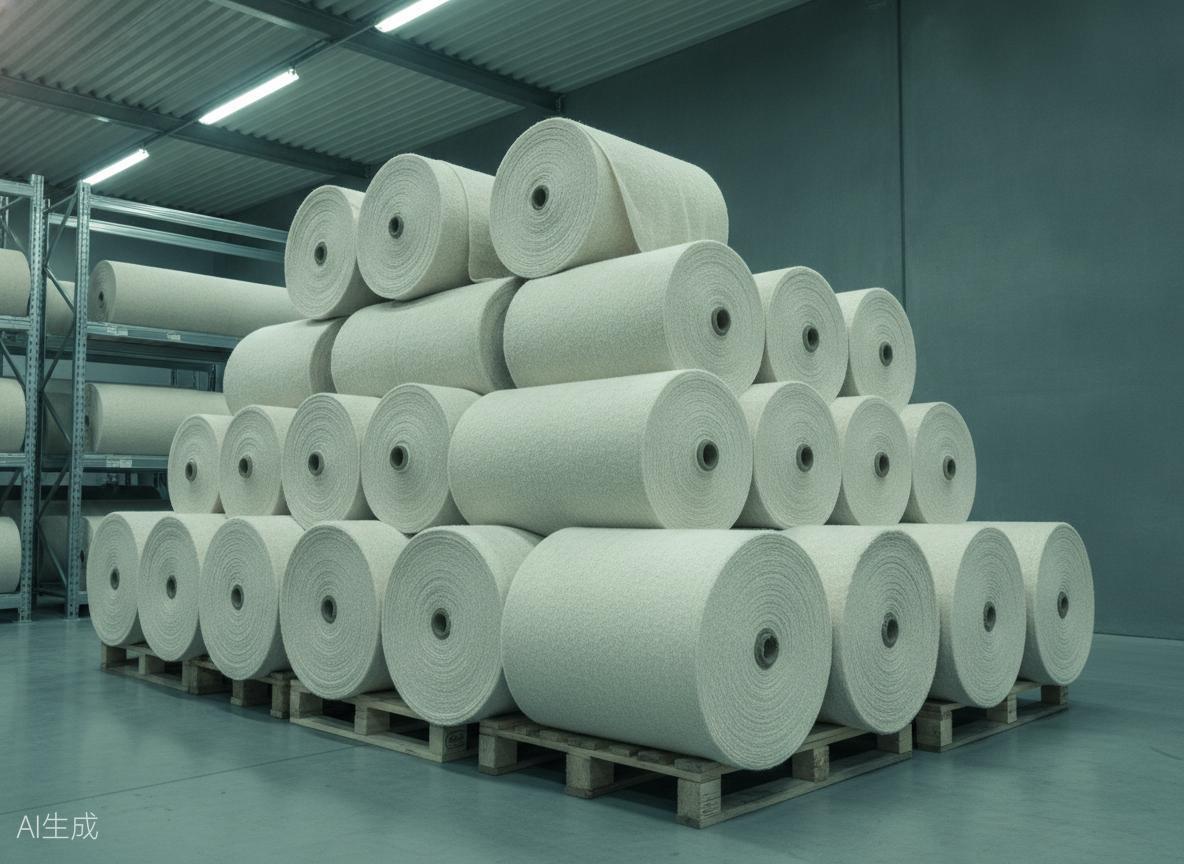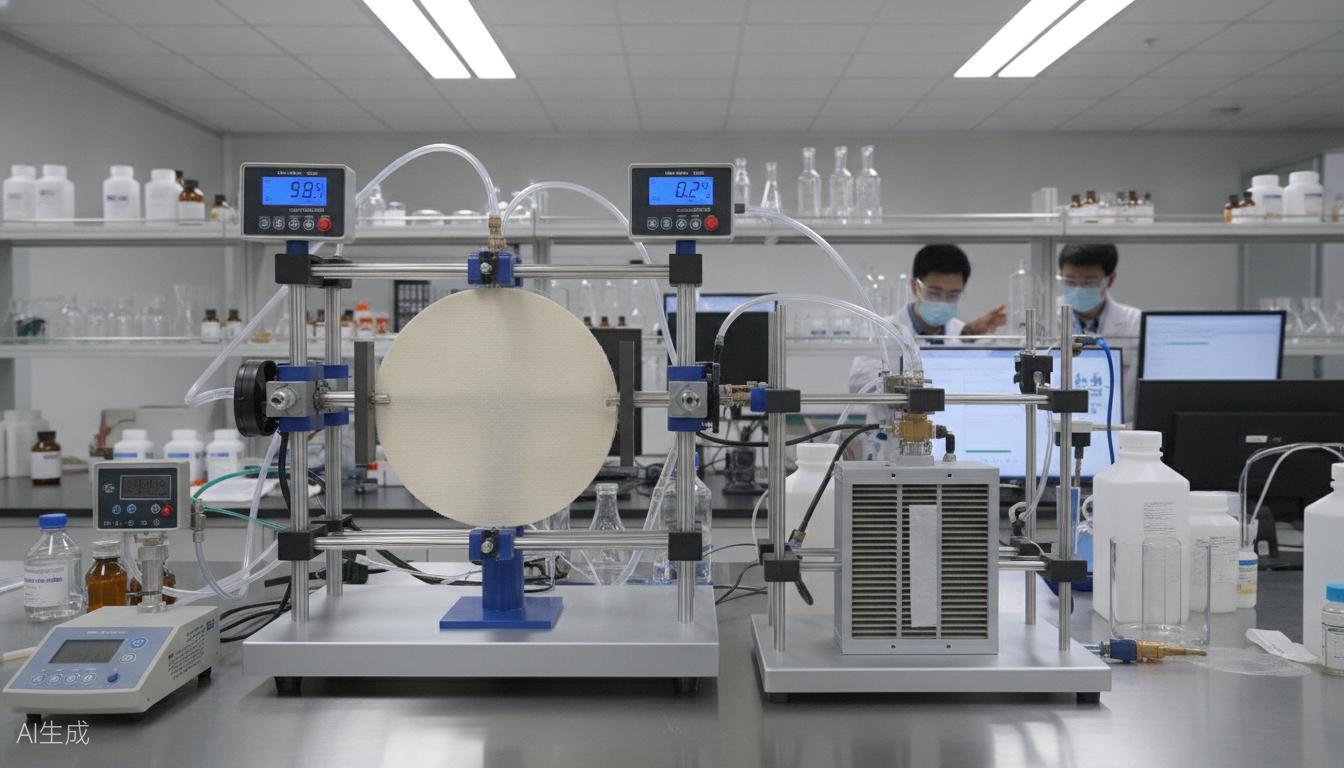
Bamboo fiber nonwoven can work in air filtration, but not every filtration application needs the same media. Buyers should separate pre-filtration and coarse-particle capture from PM2.5-grade or mask-grade filtration, where meltblown media still performs very differently.
How does the filtration data compare?
| Target | Bamboo 40 GSM | Bamboo 60 GSM | Meltblown 25 GSM |
|---|---|---|---|
| PM2.5 around 0.3 μm | 35-45% | 55-65% | 95-99% |
| Pollen 10-50 μm | 78-85% | 88-93% | 99%+ |
| Bacteria 1-5 μm | 45-55% | 65-75% | 99%+ |
| Dust above 50 μm | 90-95% | 96-98% | 99%+ |
Where does bamboo fiber nonwoven fit best?
- HVAC pre-filtration and coarse-dust interception
- Automotive cabin-filter coarse layers when combined with finer media
- Indoor air-purifier pre-filters
- Not as a stand-alone media for masks or high-efficiency fine-particle protection
If your project needs fine-particle or medical-grade filtration, bamboo fiber nonwoven is usually better treated as a support or pre-filter layer rather than the core filter medium.
Request Quote