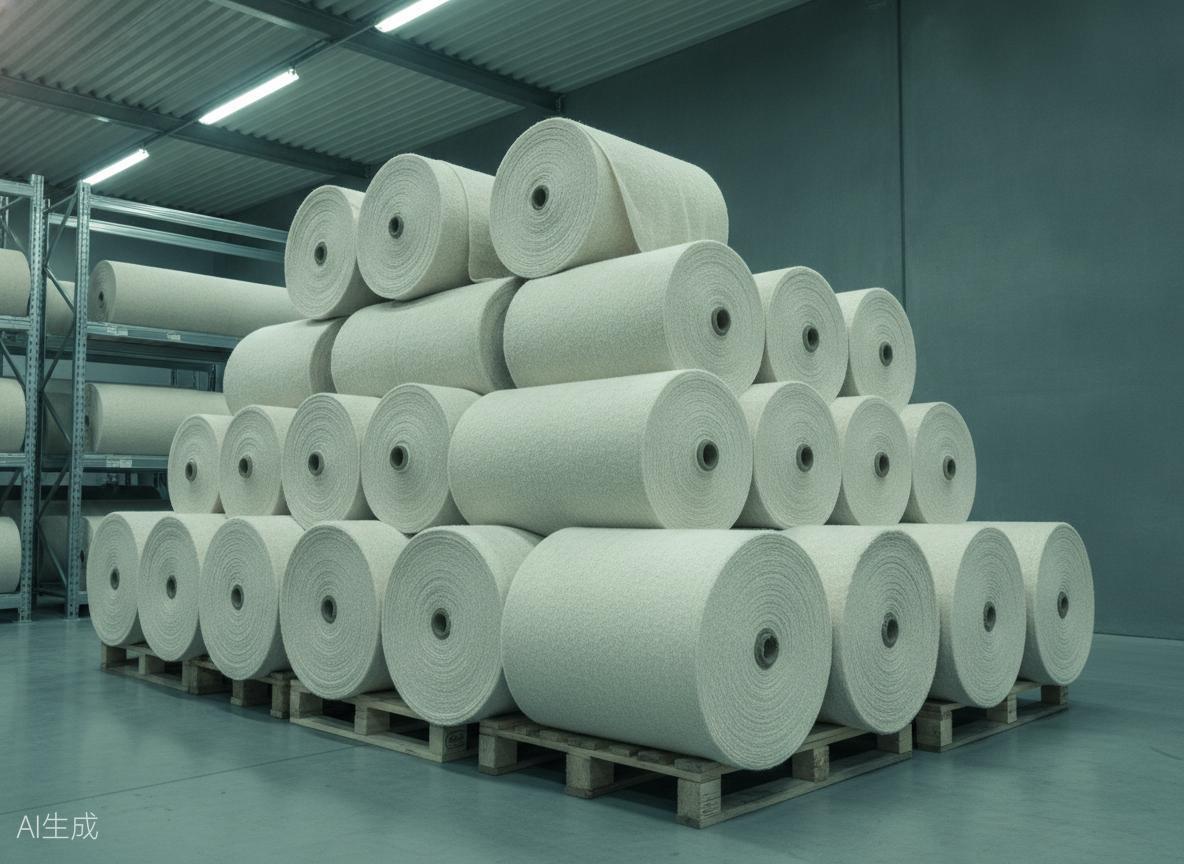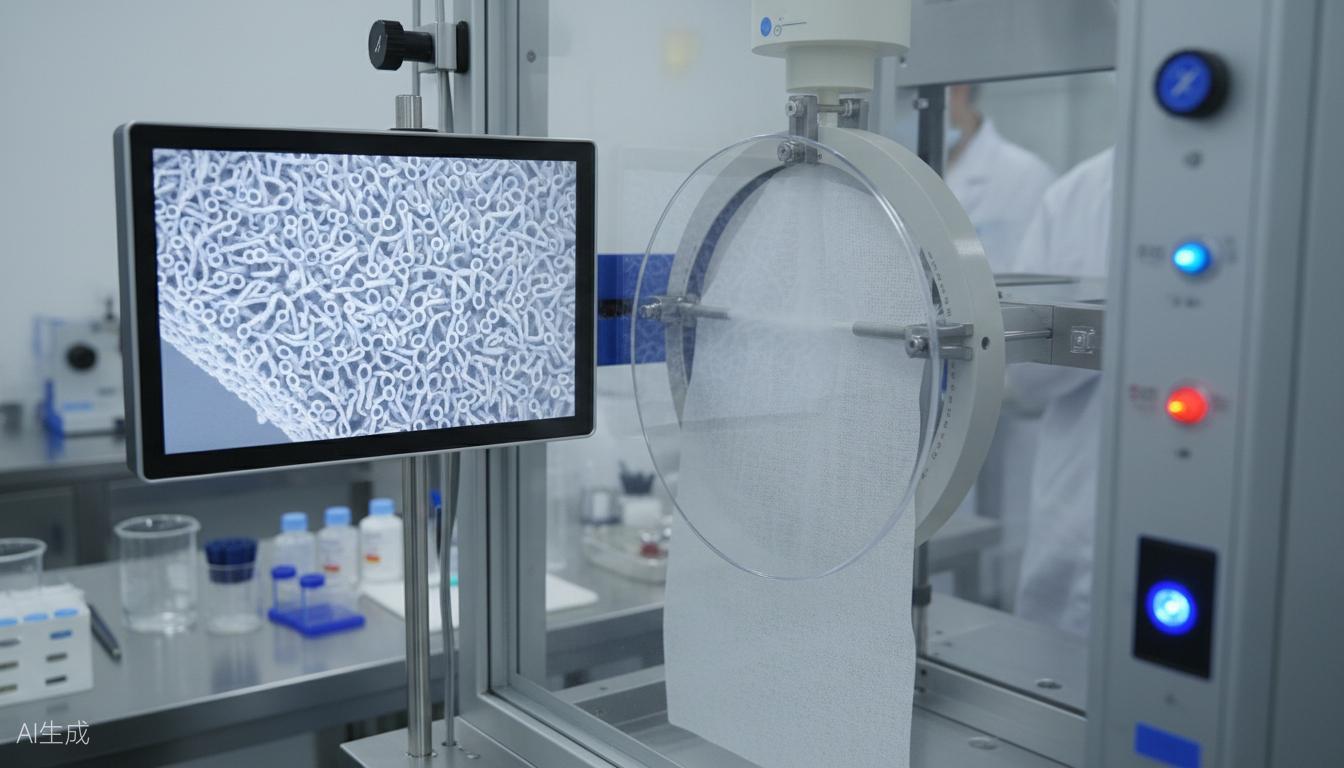
For protective medical garments, bamboo fiber nonwoven is more realistic as part of a multilayer comfort-oriented structure than as a full replacement for mature PP SMS systems in every risk category.
How does the structure usually work?
The article describes a three-layer approach with bamboo-fiber outer and inner layers plus a meltblown PP core for the main bacterial-filtration function. That is a more practical route than expecting bamboo fiber to replace the meltblown barrier layer directly.
How does it perform?
| Indicator | Requirement | Bamboo-Based Gown | PP Gown |
|---|---|---|---|
| BFE | At least 95% | 96.5% | 97.2% |
| Breathability resistance | Below 40 Pa/cm² | 28 | 35 |
| Water penetration resistance | At least 1.75 kPa | 2.1 | 2.3 |
| Moisture vapor transmission | At least 2500 g/m²·24h | 3200 | 2100 |
Where does it fit best?
The stronger case is in medium- or lower-risk medical scenarios where comfort matters, while very high-risk zones may still prefer conventional PP SMS routes because of their more established blood-penetration and barrier history.
If your medical-gown project is evaluating bamboo fiber nonwoven, judge it as a multilayer system with barrier, comfort, and sterilization together, not as a fiber-only substitution story.
Request Quote