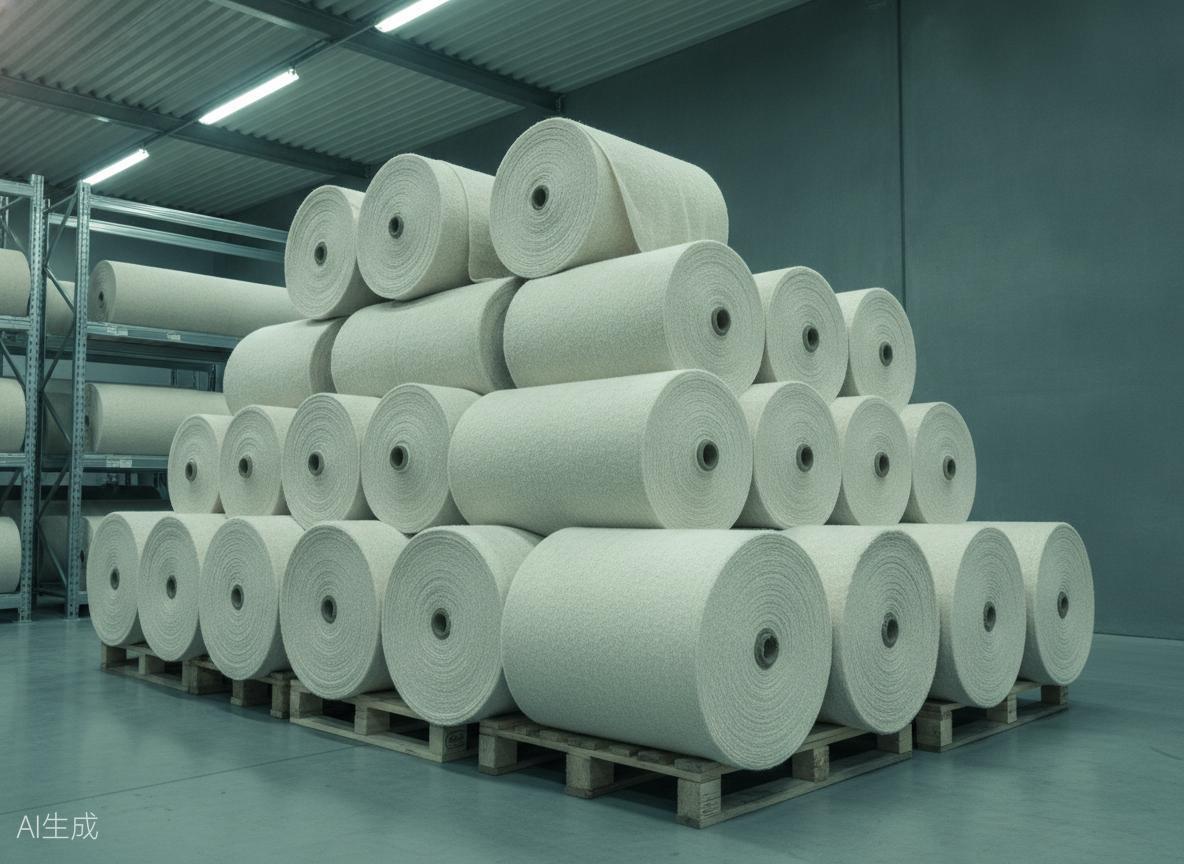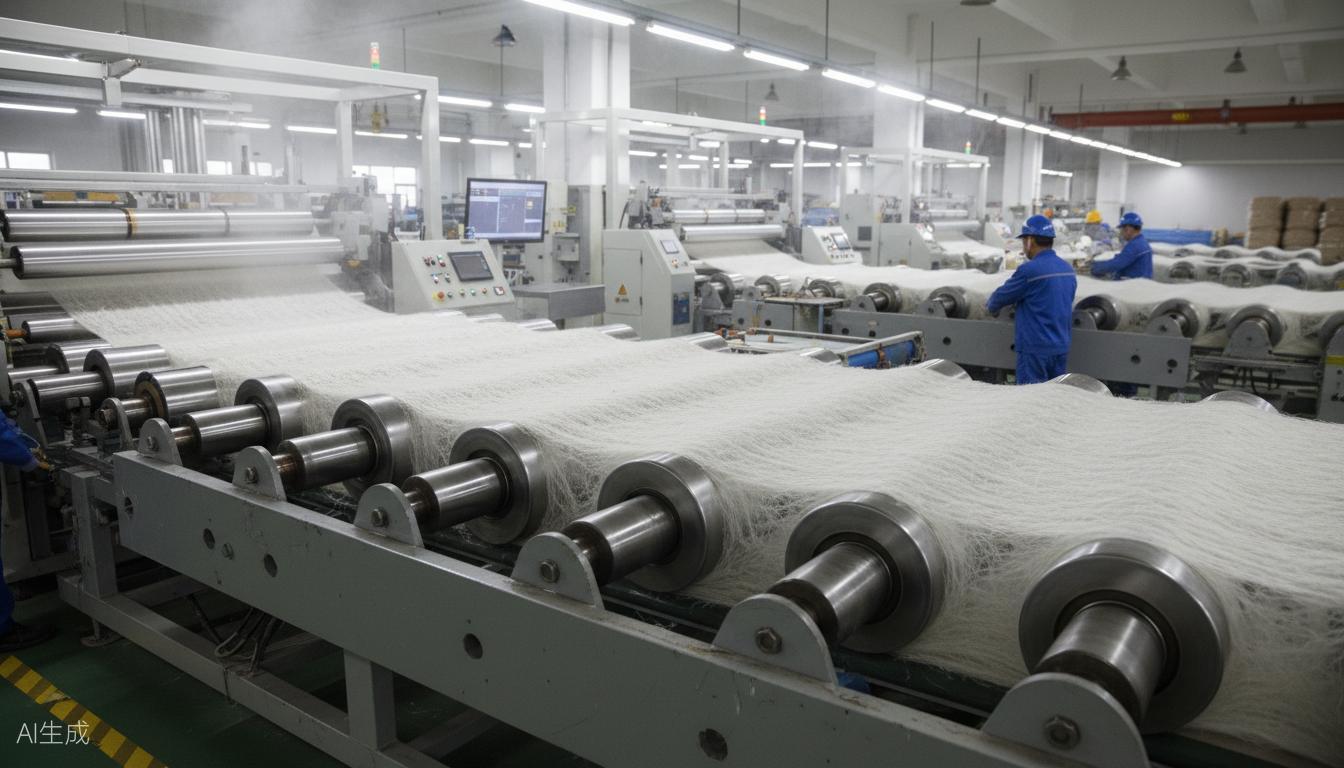
Factory visits for bamboo fiber nonwoven are useful only when buyers know what to check. The best signal is not the show floor itself, but whether the line setup, maintenance, inspection tools, and warehouse discipline support the quality level the supplier claims.
Which process steps deserve the most attention?
| Step | Main Equipment | What Buyers Should Watch |
|---|---|---|
| Opening | Opener | Fiber separation and lump control |
| Carding | Carding machine | Fiber orientation and weight uniformity |
| Web laying | Cross lapper | Layer consistency and GSM accuracy |
| Hydroentangling | Spunlace line | Water pressure and bonding consistency |
| Drying | Drum or hot-air dryer | Overdrying risk and color change |
| Winding and slitting | Winder and slitter | Tension control, width, and edge quality |
What are the strongest red flags?
- No visible online weight or moisture monitoring
- Messy raw-material storage without batch labels
- Weak laboratory capability
- Poor workshop cleanliness with heavy fiber dust
- No clear finished-roll inspection tags
If you are visiting a bamboo fiber nonwoven factory, use the audit to verify process discipline and quality control, not just the supplier’s presentation slides.
Request Quote