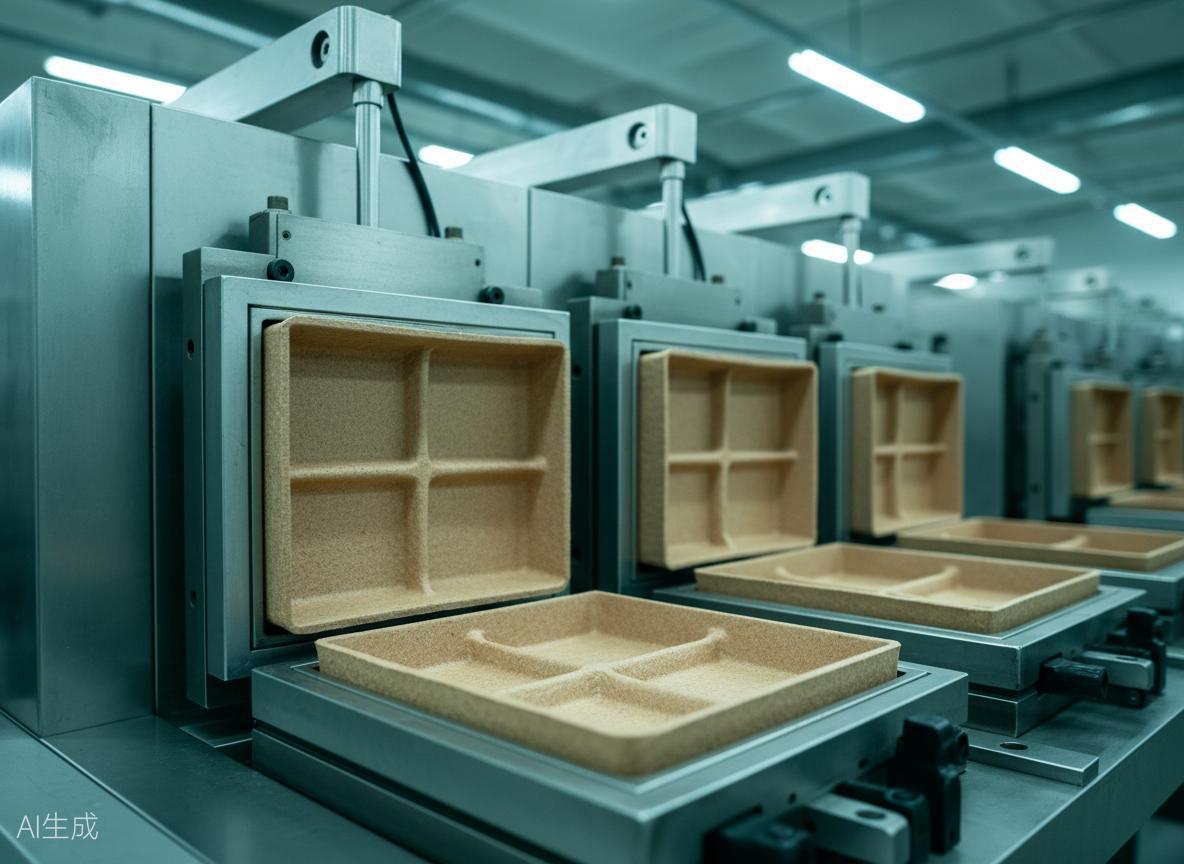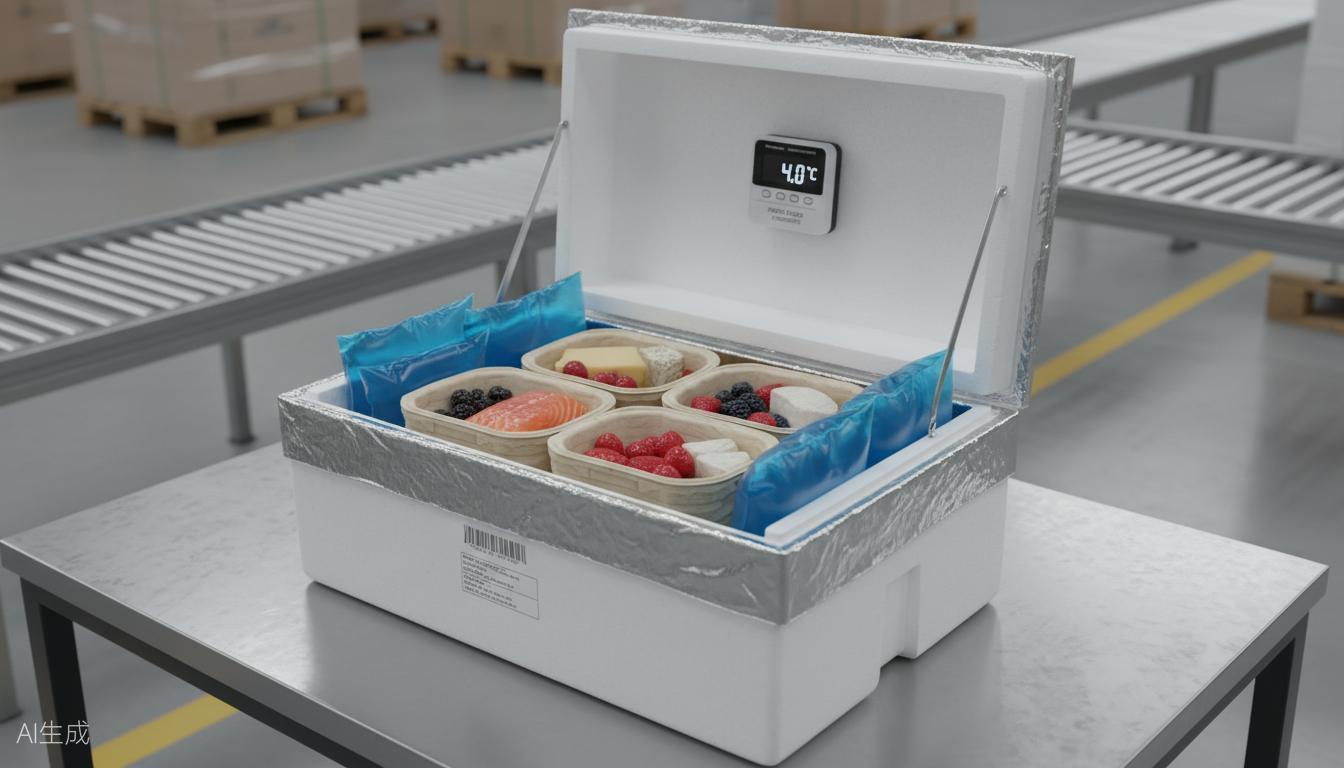
Cold-chain food packaging places a very different demand on bamboo molded pulp than ordinary room-temperature takeaway packaging. Buyers should focus less on general sustainability claims and more on insulation behavior, moisture resistance, condensation management, and whether the route is intended for short cold-chain distribution or longer frozen shipment.
Where can bamboo molded pulp fit in cold-chain packaging?
| Use Scenario | How Bamboo Molded Pulp May Fit | Where Caution Is Needed |
|---|---|---|
| Short-route chilled food delivery | Can be workable with the right liner, wall structure, and refrigerant support | Condensation and softening still need to be controlled |
| Frozen retail or meal-kit use | May work in some shorter or semi-insulated routes | Pure pulp alone often cannot match EPS for long thermal hold |
| Long-distance frozen logistics | Usually needs added insulation strategy or a hybrid structure | Cost and thermal gap against EPS become more visible |
Why is moisture management as important as insulation?
Because a cold-chain package may fail not only when the product warms up too quickly, but also when condensation softens the fiber structure, reduces stacking strength, or damages presentation. That is why barrier design, surface treatment, and liner selection matter alongside any thermal target.
What design routes improve cold-chain performance?
- A double-wall or hollow-structure design can improve insulation compared with a simple single wall.
- Barrier films or liners can reduce condensation damage but may change recyclability or compostability logic.
- Ice packs or gel packs can compensate for thermal limitations in shorter-chain distribution.
- A smoother molded finish and lower moisture content at shipment can help reduce early structural weakness.
Why should buyers compare against EPS by route, not by ideology?
EPS still performs strongly in pure insulation value and long-hold frozen transport. Bamboo molded pulp becomes more attractive when the route is shorter, the brand places value on fiber-based packaging, and the project can be engineered around a more balanced cold-chain solution rather than a direct one-to-one EPS replacement.
A more practical trial plan
For first projects, buyers should test the actual product load, refrigerant plan, route duration, and ambient temperature instead of judging by general packaging samples alone. In cold-chain projects, the real-use route often determines success more than the nominal material choice.
If you are evaluating bamboo molded pulp for cold-chain food packaging, test insulation, condensation behavior, and structural stability under the intended route conditions before making a commercial rollout decision.
Request Quote