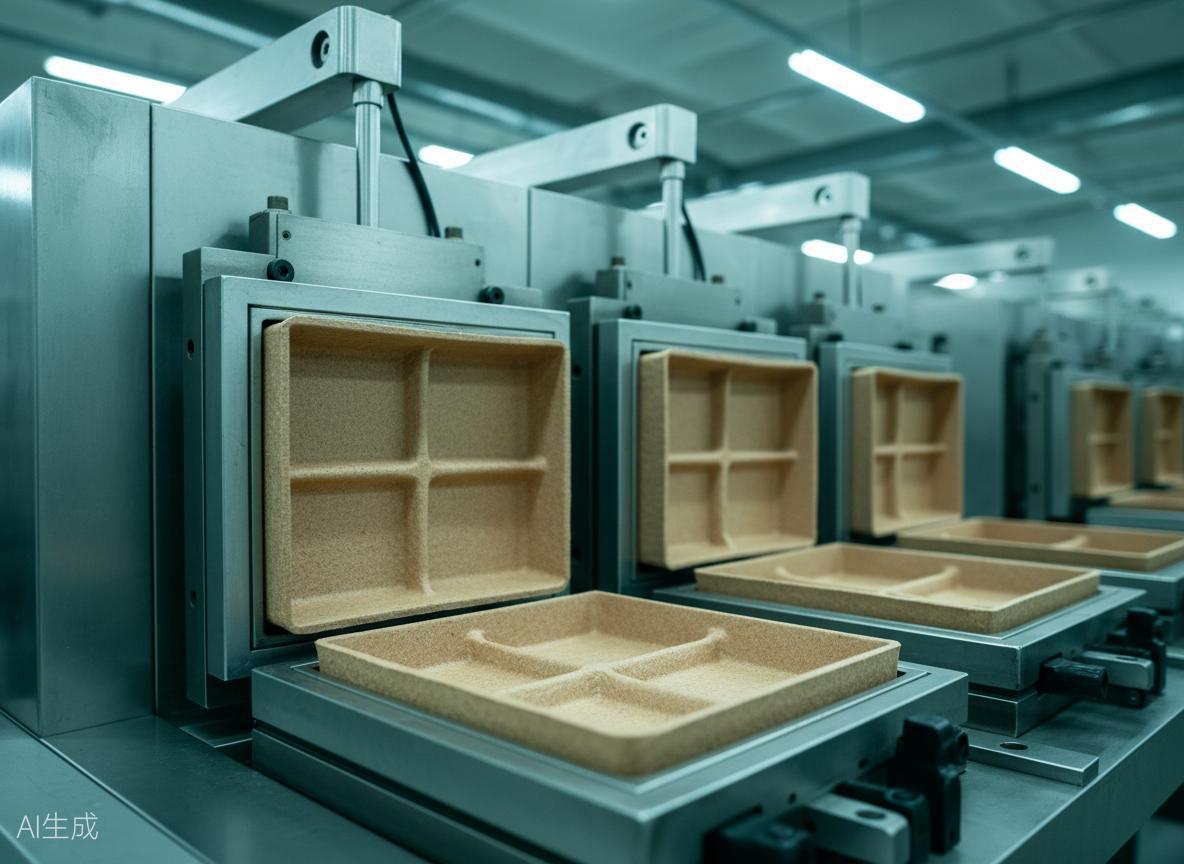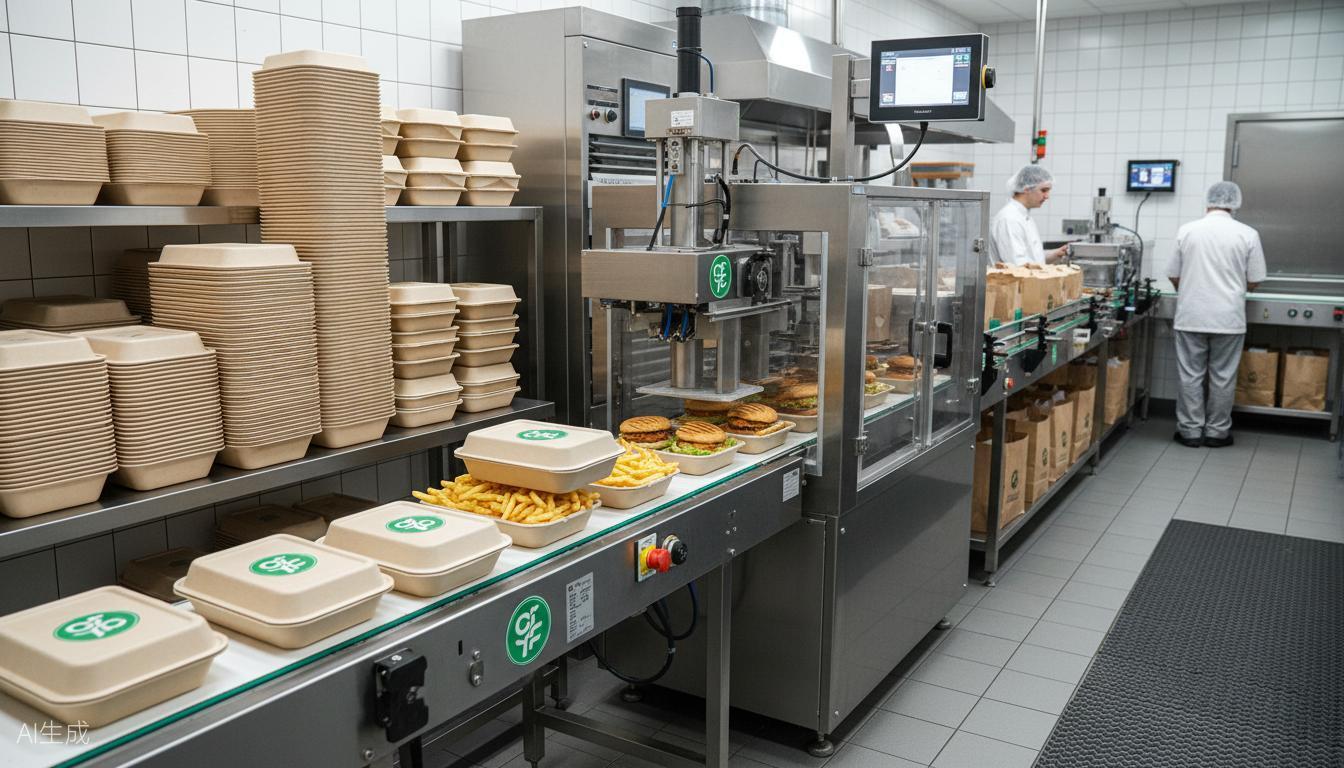
Restaurant chains and fast-food groups do not evaluate bamboo packaging only by unit price. They care about whether the supplier can keep high daily output, stable color and fit, and a supply model that avoids stock-outs during promotions or regional rollout.
What should chain buyers check first?
| Control Point | Why It Matters | Typical Requirement |
|---|---|---|
| Daily output capacity | The program must support sustained volume, not only sample success | High-volume chain programs may require multiple automated lines or parallel tooling capacity |
| Lead-time stability | Short delivery promises are not enough without replenishment logic | Buyers often want short repeat-order cycles with safety stock |
| Batch consistency | Color, fit, and wall thickness affect store experience and lid compatibility | Standardized pulp mixing and process control are essential |
| Backup plan | Single-source failure can disrupt regional restaurant operations | Dual-source or emergency backup is often preferred |
Why does VMI matter in chain supply?
Vendor-managed inventory can reduce the restaurant group’s own stocking burden while keeping a practical emergency buffer closer to the market. It is often useful when the buyer has stable forecast visibility and the supplier can handle replenishment discipline.
What usually drives cost in high-volume molded-pulp packaging?
- Fiber raw material and pulp formulation
- Drying energy and throughput efficiency
- Labor and automation level
- Packing, transport, and local stock positioning
If your fast-food or chain-catering project needs bamboo molded packaging, compare suppliers by capacity discipline, replenishment model, and backup coverage, not by carton price alone.
Request Quote