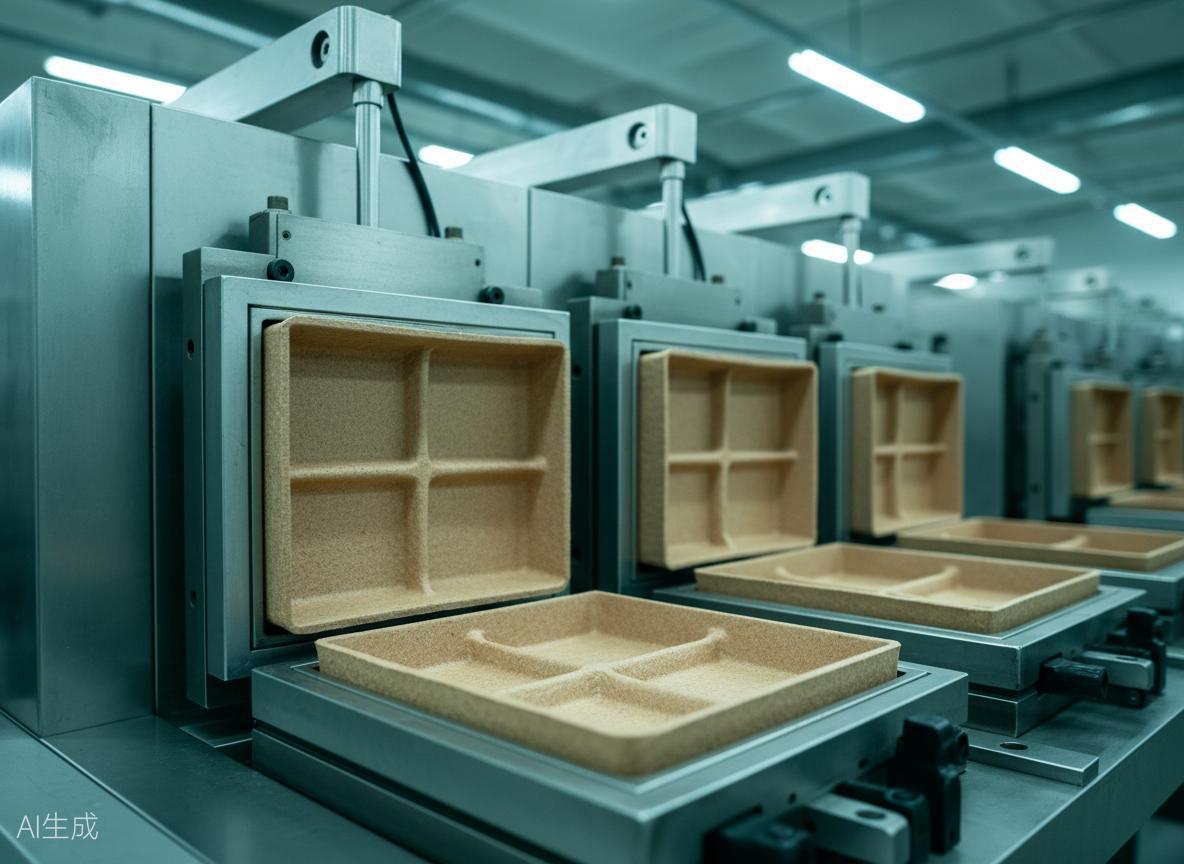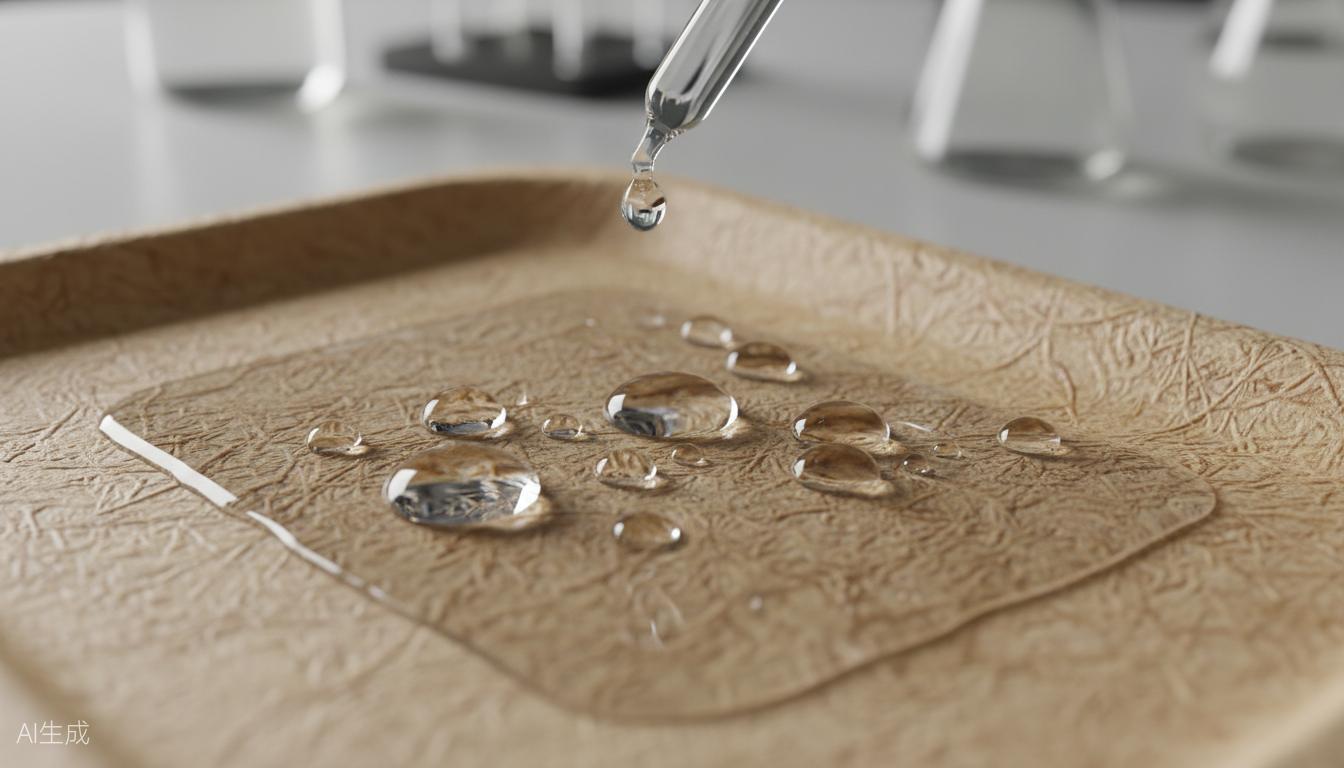
Water resistance is one of the key technical decisions in bamboo molded pulp packaging. The right route depends on whether the package needs light moisture resistance, grease resistance, heat tolerance, heat sealing, compostability positioning, or only basic short-term splash protection. Buyers should compare coating routes by end use, not by barrier number alone.
How do the main water-resistance routes differ?
| Route | Main Strength | Main Trade-Off | Typical Fit |
|---|---|---|---|
| PLA lamination | Strong barrier and possible heat-sealing support | Higher cost and changed end-of-life logic | Higher-barrier food packaging and sealed-lid applications |
| Wax coating | Lower cost and simple barrier improvement | Heat and grease limits are more obvious | Dry or lightly moist food with shorter contact time |
| Sizing or water-repellent additive route | Low cost and easier paper-like processing | Barrier improvement is more limited | Baking, produce, or lighter-duty food-contact use |
Why should buyers separate water resistance from grease resistance?
Because the package that survives moisture exposure may still fail in oil-rich food contact. In real projects, soups, oily meals, salad dressings, and bakery products all stress the package differently, so buyers should define the real food-contact condition first.
What should buyers review besides barrier performance?
- Food-contact compliance path for the chosen coating or additive route.
- Whether the project needs heat sealing or not.
- Microwave or hot-food use if relevant.
- Recyclability or compostability claims after the barrier layer is added.
- Unit-cost increase versus complaint-risk reduction.
A more useful selection logic
For strong moisture and grease resistance plus sealing, lamination routes may make more sense. For cost-sensitive and lower-barrier food uses, wax or sizing routes may be enough. The best choice is often the one that meets the use case without adding unnecessary complexity to compliance or disposal.
If you are selecting a barrier route for bamboo molded pulp packaging, define the food type, holding time, sealing need, and disposal target first. Barrier choice becomes much clearer once the real use conditions are fixed.
Request Quote