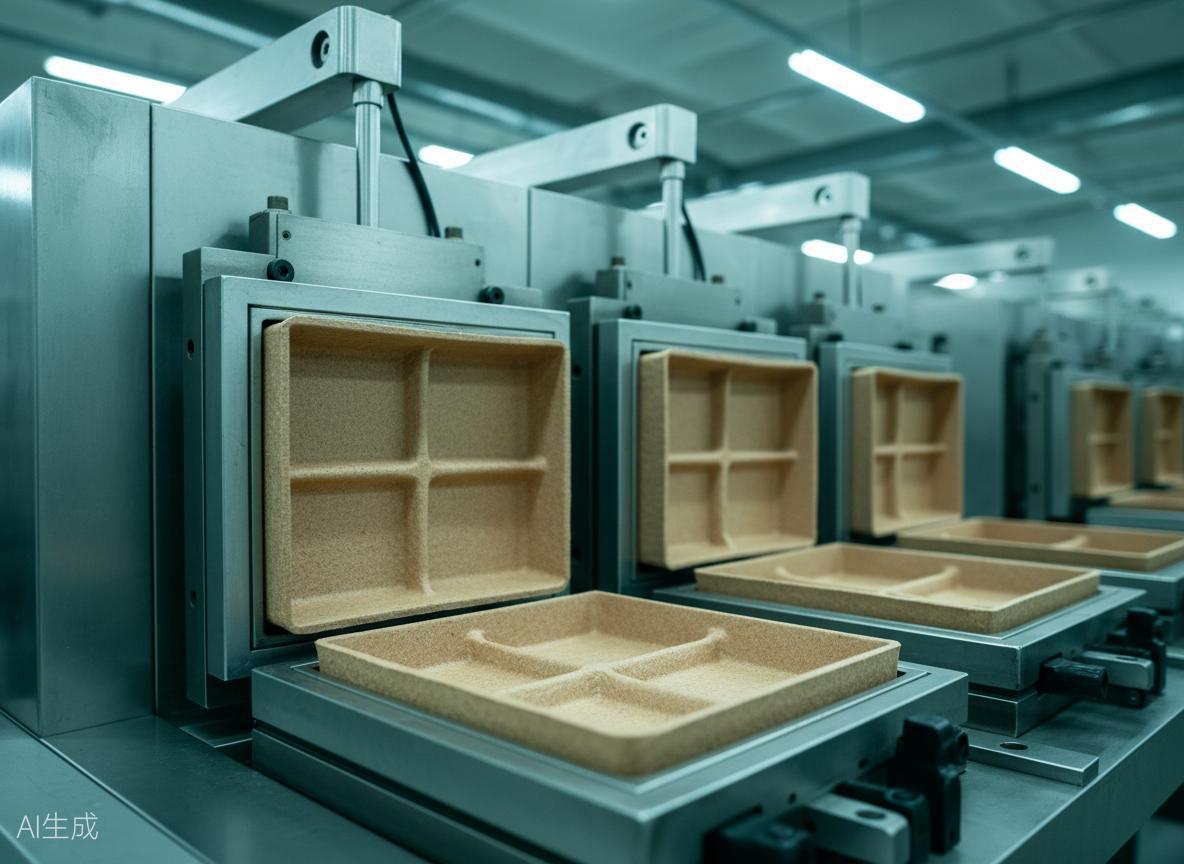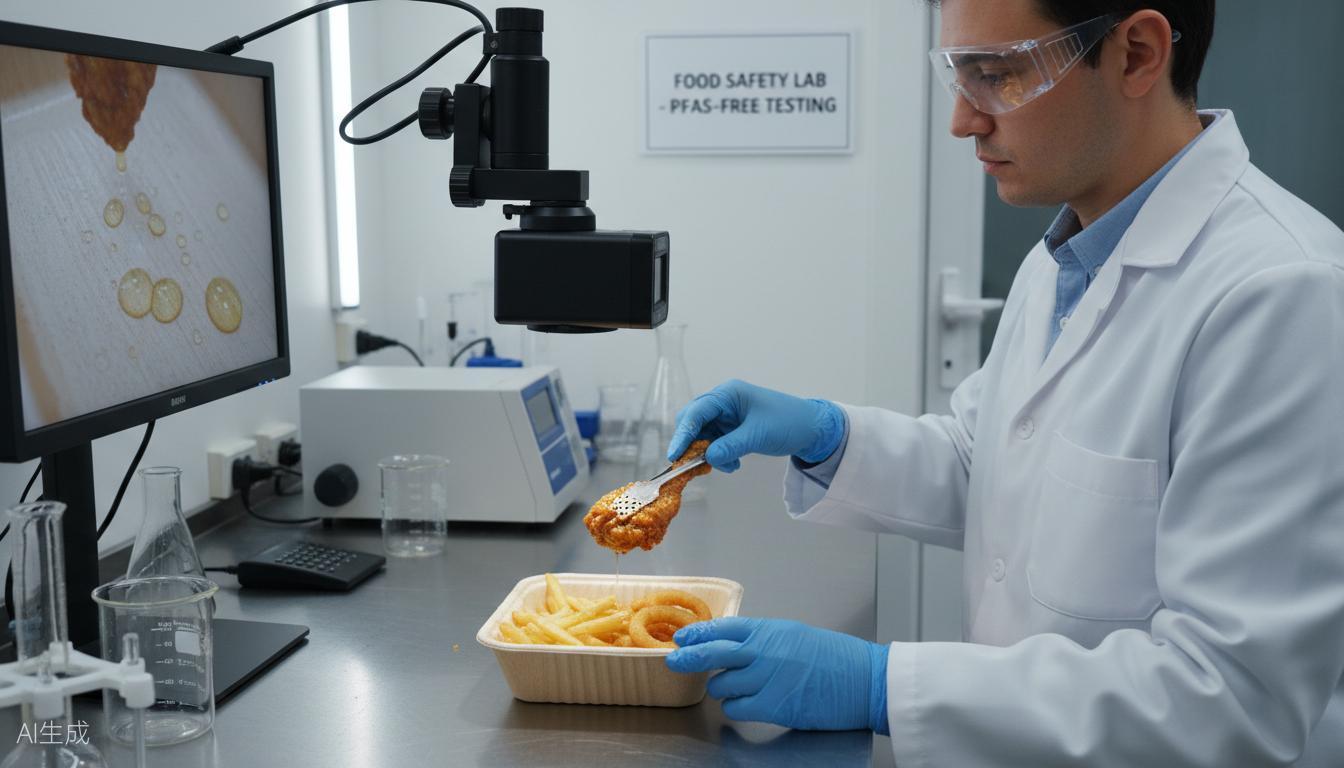
As PFAS restrictions expand in the EU and multiple US markets, buyers of bamboo molded food packaging need barrier systems that reduce grease and moisture risk without relying on fluorinated chemistry. The best PFAS-free route depends on whether the project prioritizes heat sealing, hot-food contact, compostability, or the lowest possible cost.
What makes PFAS-free selection difficult?
| Barrier Route | Main Advantage | Main Limitation |
|---|---|---|
| PLA-based barrier | Strong barrier and heat-sealing potential | Industrial-composting dependence and a narrower heat window in some uses |
| Wax-based coating | Lower cost and simpler biodegradation story | Weaker heat and grease boundary in more demanding use cases |
| Silicone-type coating | Can improve release and barrier behavior | Food-grade confirmation and end-of-life logic need extra care |
Why is PFAS-free not the same as universally better?
Because replacing PFAS solves one regulatory problem, but it can introduce other trade-offs in heat resistance, sealing, compostability, recyclability, and cost. Buyers should compare the full packaging function rather than treating PFAS-free as a single technical answer.
How should buyers choose by application?
- If sealing is necessary, PLA-related routes often deserve early review.
- If the project is cost-sensitive and contact time is shorter, wax routes may remain attractive.
- If the package will face hot oily food, each PFAS-free route still needs real use-case testing rather than assumption.
- If home compostability is part of the market claim, barrier selection becomes even more restrictive.
What should buyers request from suppliers?
- Food-contact compliance support for the actual coating system.
- Barrier performance data under the intended food and holding conditions.
- A clear statement about compostability, industrial composting, or recycling limits.
- Confirmation that the route is fluorine-free if the market specifically requests PFAS-free documentation.
If your bamboo food-packaging project requires PFAS-free performance, choose the barrier route after reviewing sealing need, hot-food use, disposal target, and market-claim strategy together. That usually prevents the most expensive redesigns later.
Request Quote