REACH is often discussed as if it applied only to chemicals in isolation, but it also matters in bamboo-product sourcing when additives, process chemicals, resins, inks, and other treatment routes are involved. The natural bamboo portion alone is not the whole compliance picture. Buyers should focus on the finished-product chemistry profile and SVHC-related risk.
How can REACH affect different bamboo-product routes?
| Product Type | Typical Concern Area | What Buyers Should Ask For |
|---|---|---|
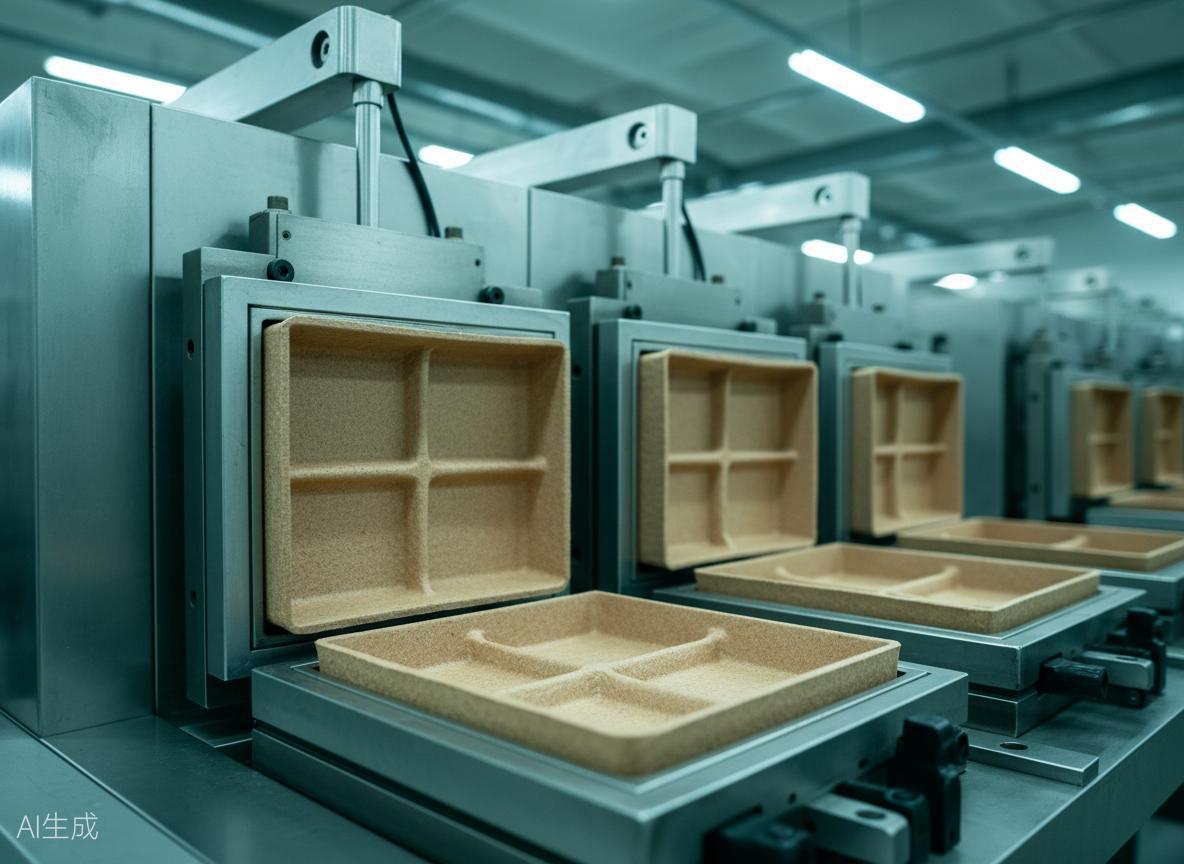
| Bamboo molded packaging | Pulping-related additives, inks, and bonding chemistry | Material statement and restricted-substance support |
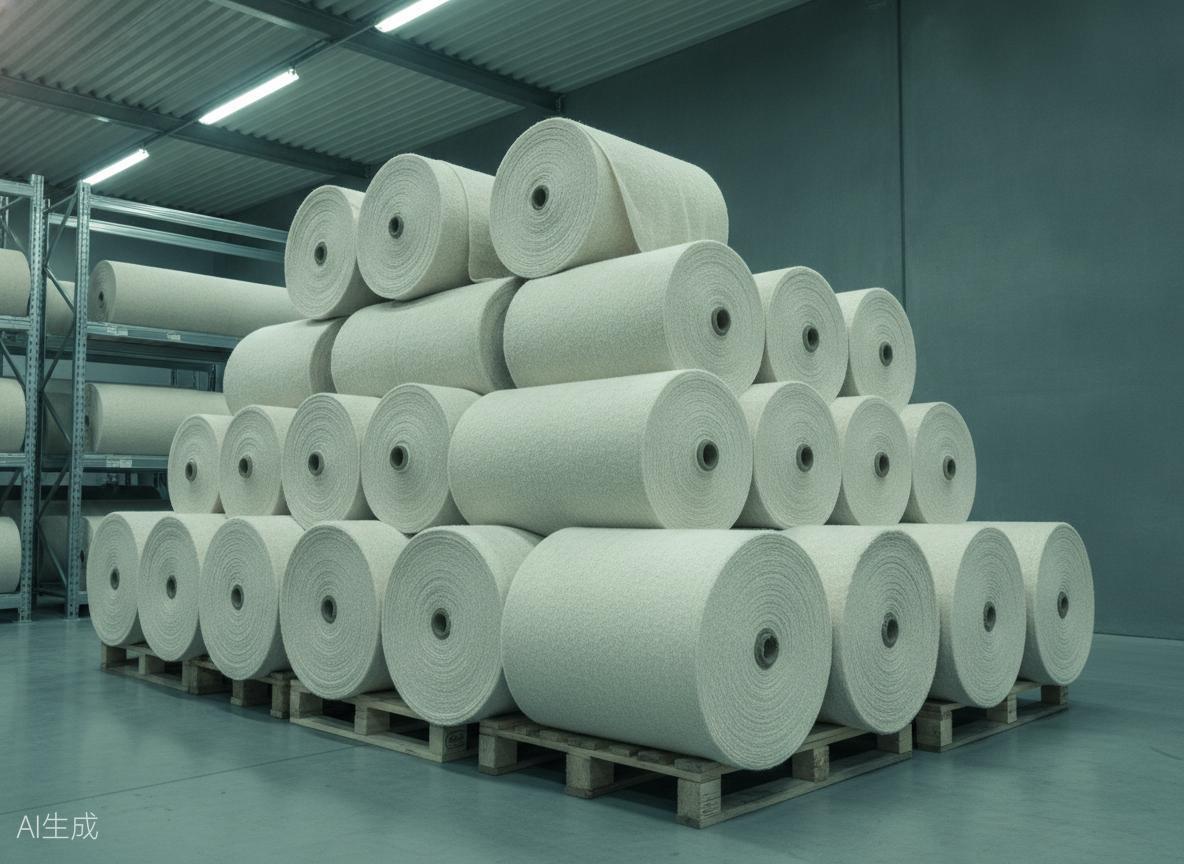
| Bamboo fiber nonwoven | Process chemicals and residue risk | Relevant test support and process-related compliance declaration |
| Bamboo composite materials | Resin systems and curing chemistry | Composition and SVHC-related review support |
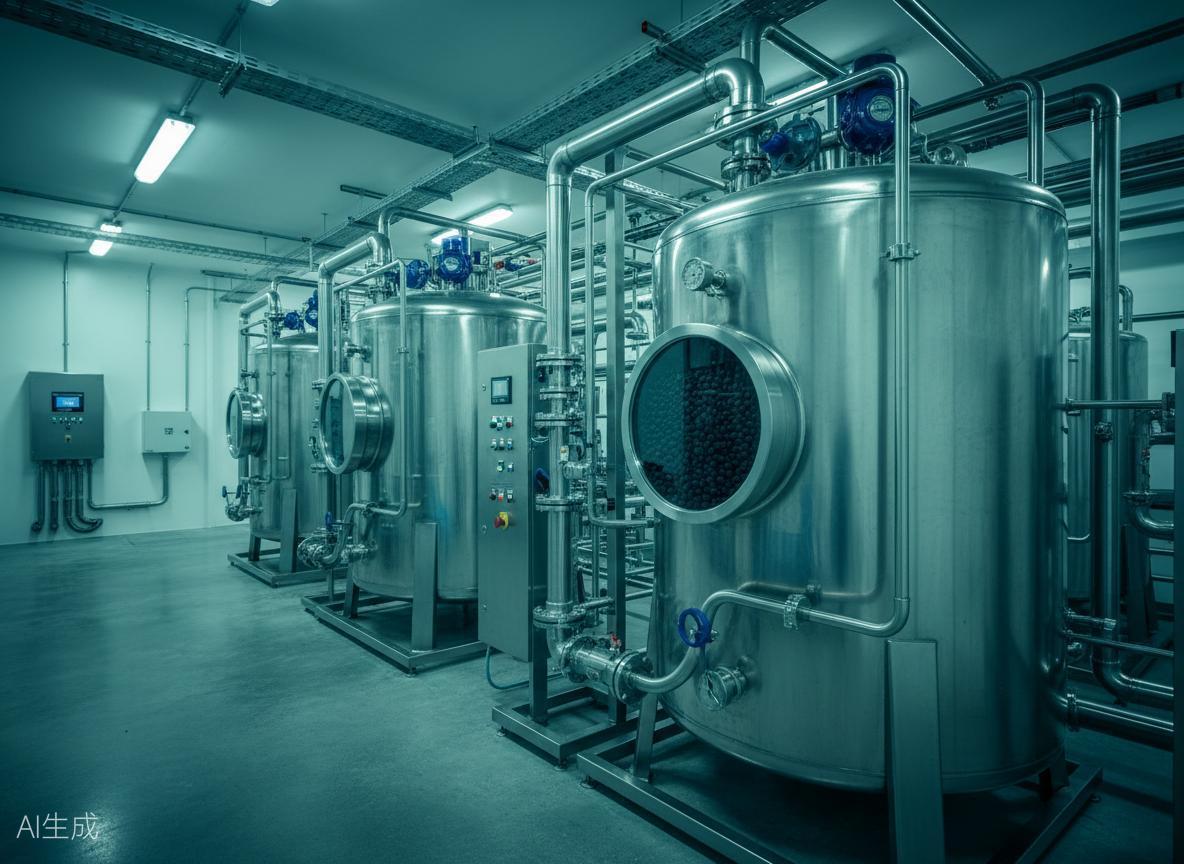
| Bamboo activated carbon | Process residues and contaminant-related checks | Application-relevant testing and supplier declaration |
Which files should importers request?
- A REACH-related compliance declaration from the supplier.
- SVHC-related screening or declaration support where relevant.
- Applicable test reports from a credible laboratory when the product route warrants it.
- Basic communication records showing the supplier has reviewed its upstream material chain.
What should importers do in practice?
- Request REACH-related declarations before the first order rather than after shipment preparation.
- For skin-contact or more sensitive consumer use, ask for more targeted screening support.
- If the product is also food-contact related, review the separate food-contact route in parallel.
- Track candidate-list updates and reassess when formulation changes occur.
Why does REACH review matter even for “natural-material” products?
Because the regulatory risk often comes from how the product is processed and finished, not only from the bamboo origin itself. Buyers who rely only on the natural-material story may miss the chemistry introduced during industrial conversion.
If you are importing bamboo products into the EU, do not assume the natural-material label removes REACH risk. Ask for composition and SVHC-related support early, especially when the process route involves additives or resins.
Request Quote