
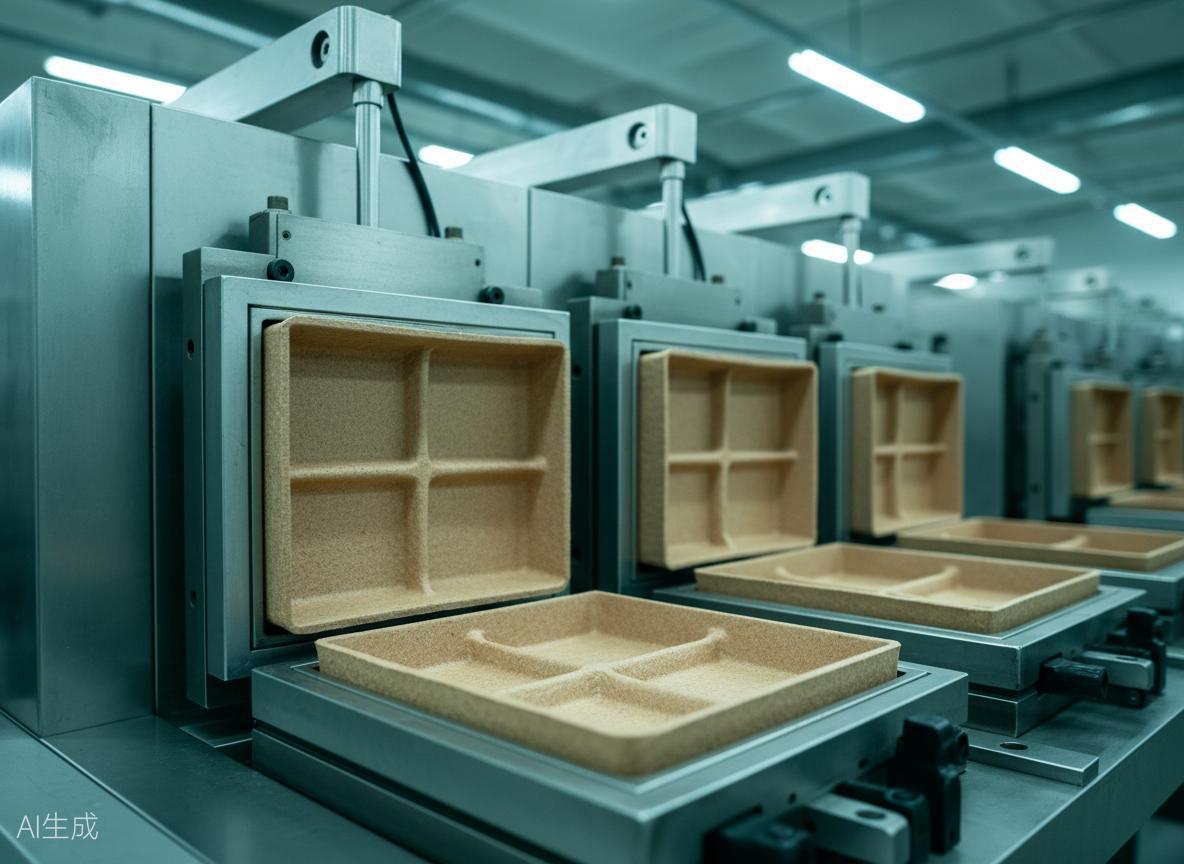
When food-service brands replace single-use plastic packaging, they often end up comparing three options at the same time: bamboo molded pulp, bagasse, and PLA. They may all be described as sustainable packaging, but their heat behavior, oil resistance, logistics profile, presentation effect, and end-market suitability are quite different.
Where does each material usually fit better?
| Material | Usually Better For | Less Ideal For |
|---|---|---|
| Bamboo molded pulp | Takeout containers, trays, and packaging needing more structural support | Projects requiring transparent product display |
| Bagasse | Disposable plates, basic meal boxes, and cost-sensitive programs | Higher-end branded presentation or stronger protective-packaging use |
| PLA | Clear lids, clear boxes, cold-drink or display packaging | Hot-food and microwave-oriented scenarios |
Four dimensions buyers should compare first
- Heat resistance and real use experience: bamboo pulp and bagasse often fit hot-food scenarios better, while PLA is usually more suited to cold or display packaging.
- Supply-chain maturity: bamboo pulp and bagasse are often easier to source in Asian fiber-based packaging chains, while PLA depends more on resin and film-forming routes.
- Shelf and consumer presentation: PLA offers transparency, bamboo pulp often gives a stronger natural-material appearance, and bagasse is usually positioned more as a functional basic route.
- Total cost: unit price is only one part; loading efficiency, complaint rate, and brand acceptance also matter.
Why are more brands comparing total cost instead of lowest unit price?
Bagasse may sometimes look cheaper, but it may not always be the strongest route in structure stability, appearance, or batch consistency. PLA can be visually attractive but is limited in high-heat scenarios. Bamboo molded pulp may carry a higher unit cost in some projects, yet it often performs more evenly across structure, brand presentation, freight logic, and overall packaging balance.
A practical selection method
If the project is hot-food takeout, retail prepared meals, or needs stronger support, bamboo molded pulp usually deserves first review. If the project is a basic quick-service consumable with stronger price pressure, bagasse may stay competitive. If visual transparency matters most, PLA often remains the easier route.
Before mass production, run at least one real-use test round for food filling, stacking, transport, and shelf presentation. The right material choice usually lowers both complaint risk and sourcing instability later.
Request Quote