
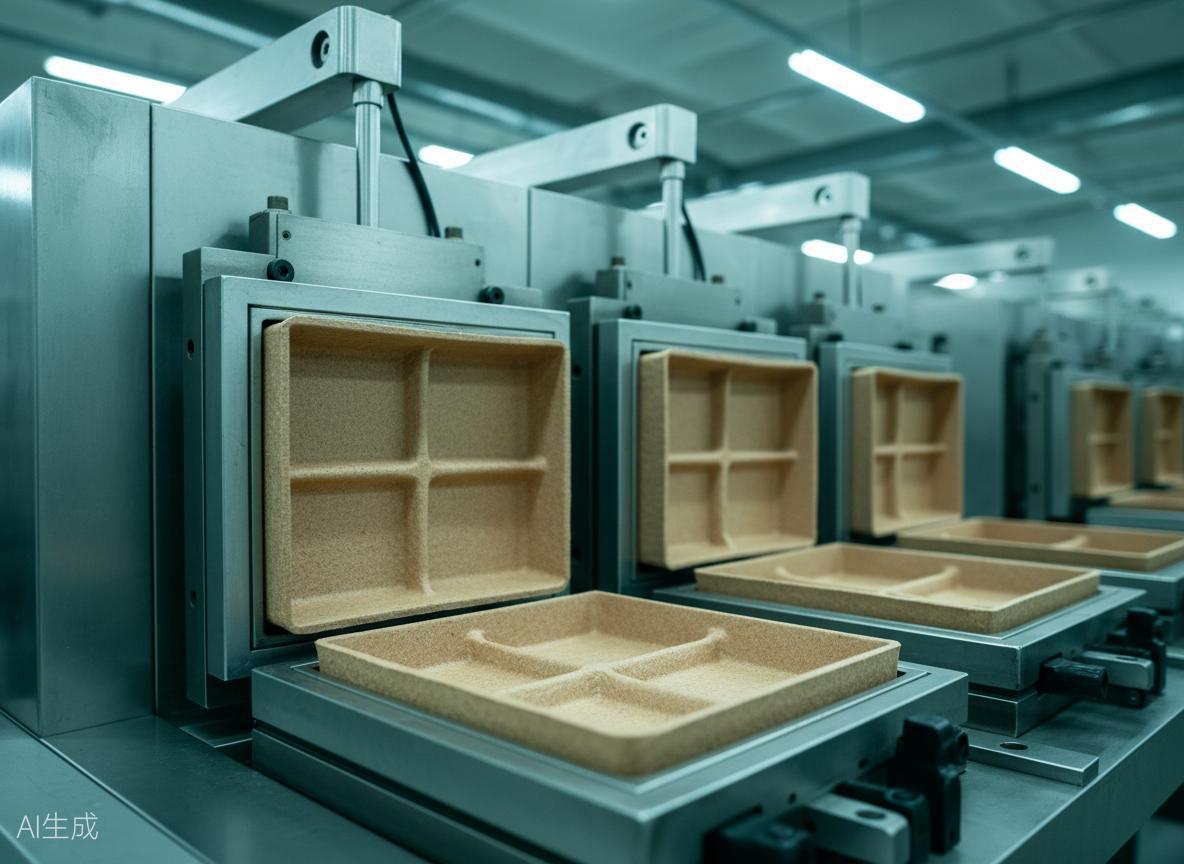
As packaging regulation tightens and large brands reduce petroleum-based materials, many sourcing teams are looking for practical alternatives to EPS foam and thermoformed plastic trays. The question is no longer simply whether to switch, but which replacement route is stable enough in structure, compliance, freight logic, and total project cost.
Why does bamboo molded pulp receive so much attention in higher-value packaging?
| Material Type | Fiber Performance | Mechanical Positioning | Typical Use |
|---|---|---|---|
| Recycled paper pulp | Shorter fiber | Weaker and more prone to surface dusting | Egg trays and lower-spec inserts |
| Bagasse pulp | Medium fiber performance | Moderate strength | Disposable tableware and food-service items |
| Bamboo pulp fiber | Longer fiber, often around 1.5-2.0 mm | Often stronger in impact-oriented packaging structures | Electronics, appliance, and precision protective packaging |
Compliance value is not just environmental language
- Plant-based fiber packaging often aligns better with projects trying to reduce plastic dependence, but the exact compliance value still depends on market and product structure.
- End-of-life outcome should be judged by the real disposal path in the destination market rather than by generic biodegradability claims.
- In some EU packaging systems, fiber-based packaging may carry lower EPR cost than plastic routes, but the result still depends on country rules and declaration method.
Why can a higher unit price still make business sense?
Bamboo molded pulp often comes in above EPS on unit price, but buyers do not compare materials only by the ex-factory line item. Nesting efficiency, export-market fit, recycling logic, and brand positioning all affect the real decision. In some projects, structure optimization and carton planning can offset part of the unit-price gap.
A more practical replacement approach
For export projects into the EU, North America, and Australia, bamboo molded pulp is better treated as a replacement route that should be evaluated by structure, freight, and compliance together, not as a universal answer for every packaging scenario.
If you are considering replacing EPS or plastic trays with bamboo molded pulp, send the current packaging drawing or sample photos first. Structure conversion and landed-cost review usually matter more than broad environmental claims.
Request Quote