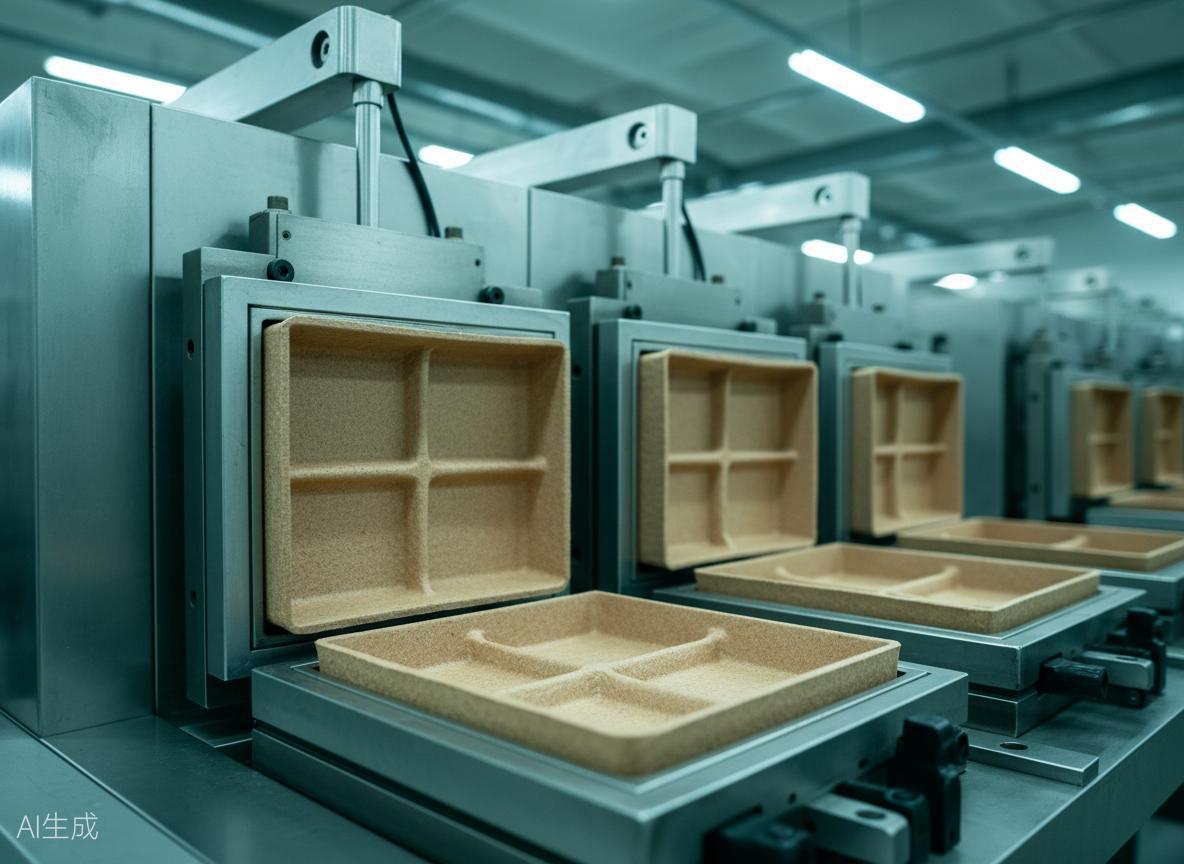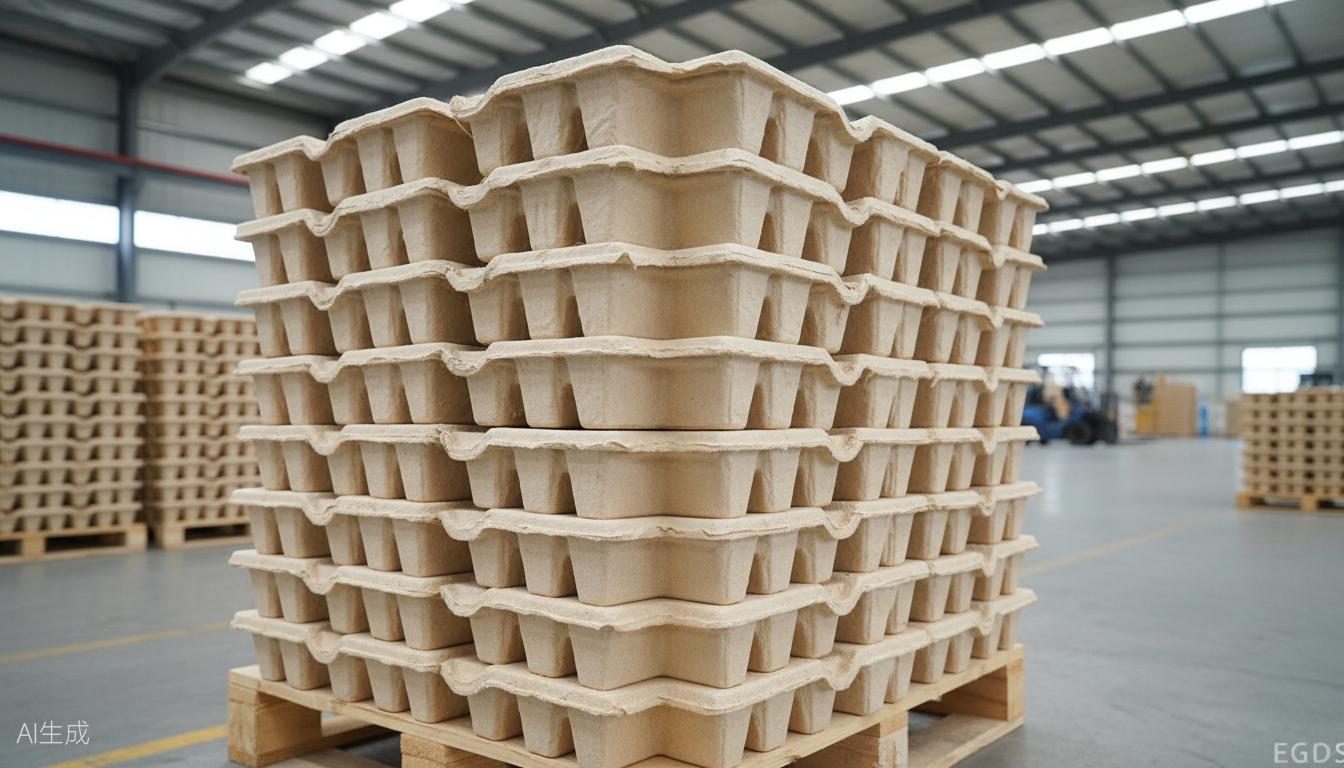
Nesting ratio has a direct effect on freight cost, warehousing density, and handling efficiency in bamboo molded pulp packaging. Buyers often focus on unit price and miss the fact that better nesting geometry can reduce logistics cost materially over the life of the project.
What design changes usually improve nesting?
| Design Lever | Why It Helps | Trade-Off |
|---|---|---|
| Wall angle or taper | Helps one pack fit into the next more efficiently | Too much taper can reduce stacking stability |
| Base-edge and corner design | Reduces interference during stacking | May affect tray geometry or contact points |
| Wall-thickness distribution | Can reduce wasted nesting gap | Needs to stay compatible with strength and process stability |
| Pallet and stack standardization | Improves loading efficiency beyond the tray itself | Requires coordination with outer packaging and logistics planning |
Why is nesting-ratio optimization not always free?
Because the same design changes that improve loading density can weaken vertical stacking strength or alter usability. The best design is usually a balance between freight savings and packaging performance.
When does nesting matter most?
It matters most in high-volume programs such as meal boxes, trays, cup holders, and other standardized formats where empty-pack transport and storage are a major share of the logistics budget.
If you are purchasing large volumes of bamboo molded pulp packaging, compare nesting ratio and loading density together with tray price. In many projects, freight efficiency changes the true cost more than a small unit-price difference.
Request Quote