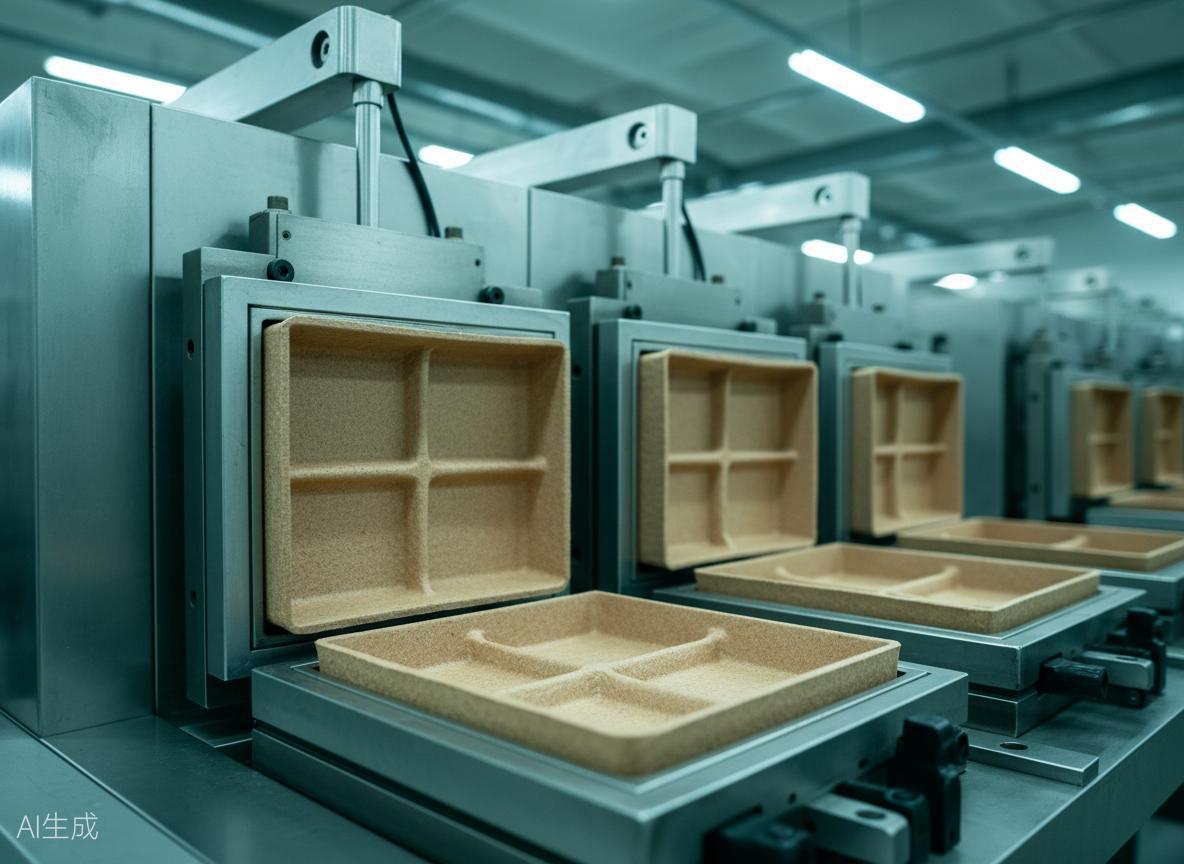
For bamboo meal boxes, bamboo molded trays, lids, straws, and tableware, food-contact compliance is often the first real gate to market entry. Buyers targeting the United States and European Union should build the testing plan around actual product structure, coating route, and end use rather than assuming all bamboo food packaging follows the same path.
What should buyers separate first?
| Product Route | Why It Matters | Typical Review Difference |
|---|---|---|
| Pure molded pulp without plastic lamination | Usually reviewed more like a fiber-based food-contact article | Focus often stays on migration, additives, heavy metals, and odor |
| Bamboo-fiber or bamboo-powder composite with resin | The plastic or resin system changes the compliance logic | Additional migration targets such as melamine-related or polymer-specific points may matter |
| Coated or laminated food packaging | Barrier materials change the regulatory file set | The coating route may define much of the testing scope |
How do US and EU paths differ in practice?
In the US, buyers usually review the relevant FDA food-contact basis and whether the substances used in the product system are already covered. In the EU, migration testing and declaration work often becomes more explicit, especially when the product uses coatings, additives, laminations, or a more composite structure. For EU projects, buyers should also expect a stronger emphasis on declaration support and testing traceability.
Common testing areas buyers should plan for
- Overall migration or equivalent transfer-risk review depending on the material route and market.
- Heavy-metal and restricted-substance review where relevant.
- Odor and sensory acceptability for direct-contact tableware and meal boxes.
- Additional migration targets when coatings, laminations, or resin systems are involved.
- Microbiological cleanliness and production-hygiene control where the product category or customer requires it.
Why do food-packaging projects fail most often?
- The product was described only as “bamboo packaging” without clarifying whether it contains resin, coating, or lamination.
- The supplier reused an old test report that does not match the current formulation or surface treatment.
- The buyer checked the molded pulp body but ignored additives, inks, or barrier chemistry.
- The team assumed one market’s report automatically covered another market without reviewing the real scope.
A stronger dual-market strategy
If the same product is intended for both the EU and US, it is usually more efficient to define the full bill of materials first, then identify which test items overlap and which remain market-specific. That often reduces duplication and makes later document maintenance easier.
If your bamboo food-service packaging project is targeting the EU or US, confirm the exact material system, coating route, and food-contact scenario before testing begins. Better product definition at the start usually saves both time and repeat testing cost.
Request Quote