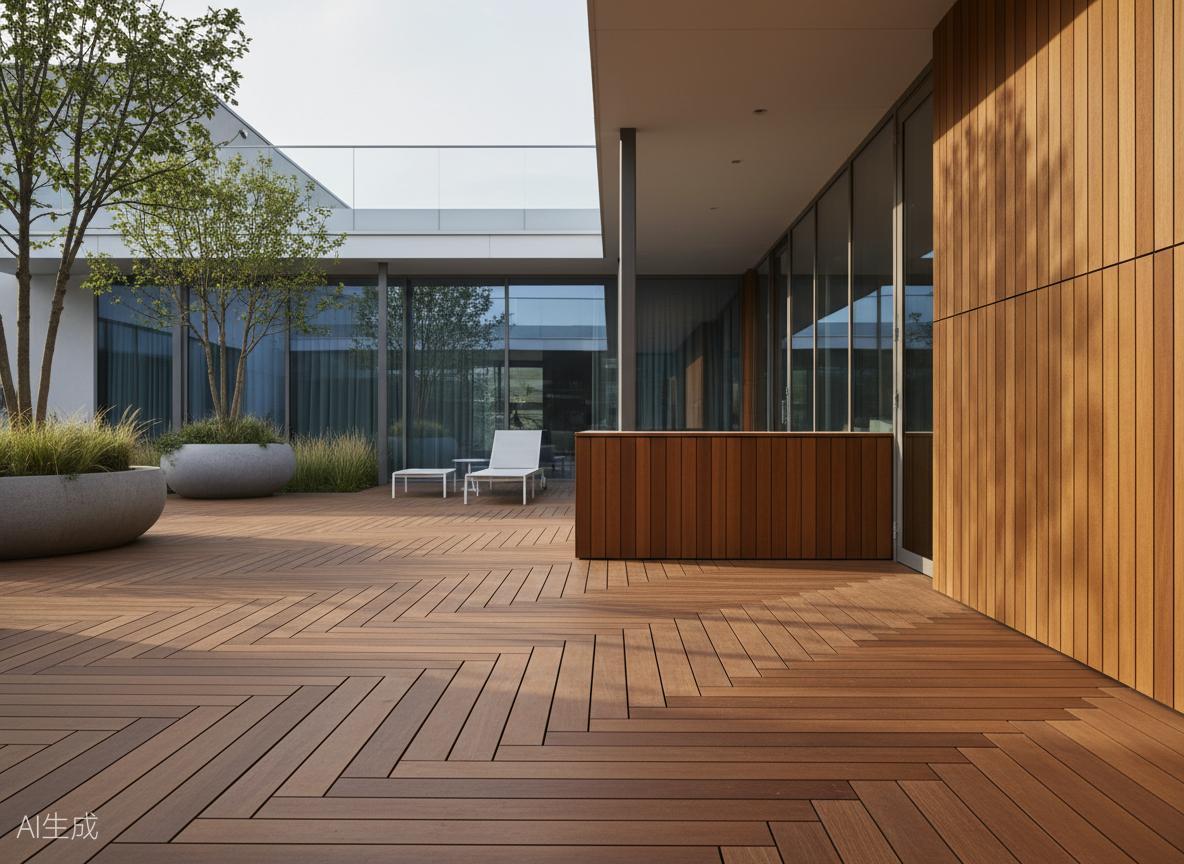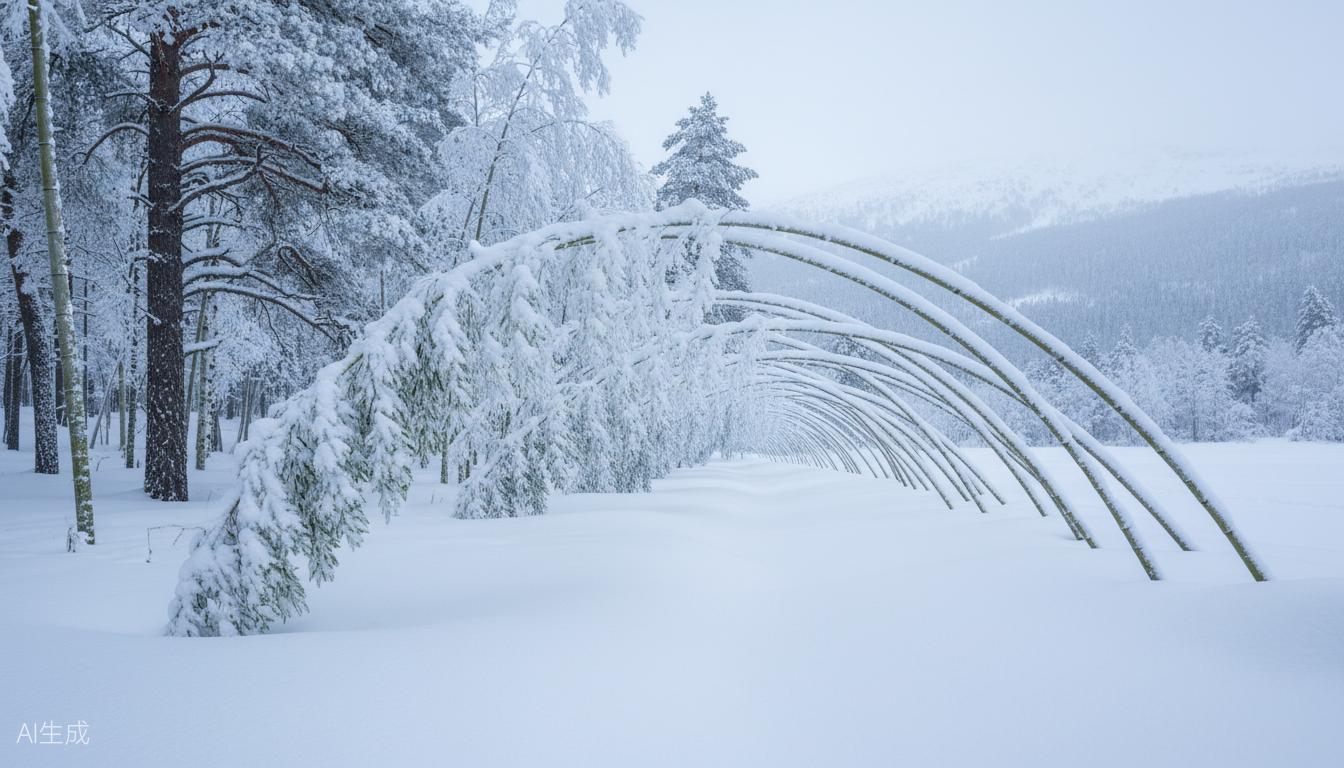
For outdoor projects in Nordic and other severe-cold markets, the core question is not whether bamboo materials can survive one low-temperature event. It is whether repeated freeze-thaw cycles, moisture exposure, and seasonal movement cause meaningful loss of strength, cracking risk, or maintenance burden over time.
What kind of freeze-thaw logic should buyers review?
| Review Point | Why It Matters | What It Suggests for Buyers |
|---|---|---|
| Low-temperature stage | Cold exposure alone can change brittleness behavior | Ask how the material behaves below -20°C and near -30°C if that matches the project climate |
| Wet-to-freeze transition | Water expansion often causes more damage than low temperature itself | Check drainage, sealing, and moisture-management design |
| Cycle count | Single exposure is less useful than repeated-cycle data | Freeze-thaw durability is more meaningful when tested through multiple cycles |
| Strength retention | The project needs retained performance, not only visual survival | Request bending-strength or impact-retention data where relevant |
Why do different bamboo-material routes behave differently?
Because freeze-thaw performance depends strongly on structure and resin system. Composite routes with higher polymer content can sometimes retain performance more evenly, while bonded or denser bamboo products may lose strength faster if moisture enters and repeated freezing expands microcracks.
Which applications deserve the most caution?
- Exposed decking and terraces with repeated snow, melting water, and refreezing.
- Coastal or de-icing environments where moisture and salt act together.
- Outdoor municipal projects where maintenance intervals are long and failure cost is high.
- Any system where standing water can remain around joints or substructure areas.
What should buyers request in addition to lab data?
- Installation recommendations covering drainage slope, expansion gaps, and fastener layout.
- Maintenance guidance for snow removal, cleaning, and coating renewal if applicable.
- Project references from cold or coastal climates when available.
- A realistic view of service-life expectation under severe-cold exposure rather than a generic lifespan promise.
A safer selection method for severe-cold markets
For the coldest outdoor projects, buyers should compare freeze-thaw data, water-management design, and maintenance practicality together. In many cases, the material route that performs best is the one that best controls moisture movement, not simply the one with the highest initial strength.
If your project is in a Nordic or severe-cold climate, ask for freeze-thaw data, installation detail, and maintenance guidance before choosing a bamboo outdoor material. Cold-climate suitability is much more than a brochure claim.
Request Quote