In bamboo material projects, sample fees and tooling charges are often the first trust barrier between buyer and factory. Buyers worry about paying before they know whether the sample will be usable. Factories worry about spending design and setup effort and then seeing no follow-up order. A practical arrangement is not to chase “free” by default, but to make sure each upfront cost has a clear scope, trigger, and refund rule.
Four common types of upfront cost
| Cost Type | Typical Situation | What Buyers Should Confirm |
|---|---|---|
| Basic sample fee | Existing size or only minor modification | Whether it can be credited back against the first order |
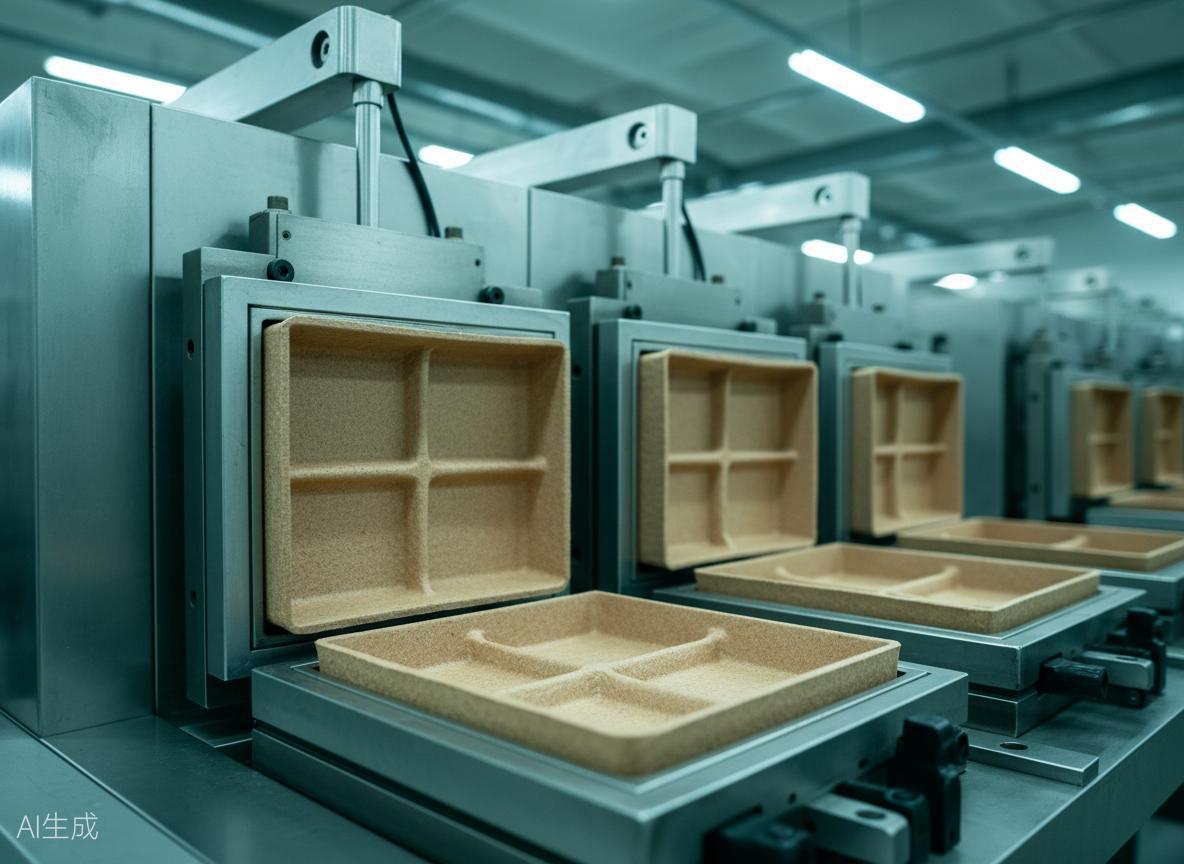
| Tooling charge | Custom molded parts such as bamboo molded pulp packaging | Whether it is one-time only and whether the first modification round is included |
| Re-sampling fee | Second or later structural revisions | What triggers the charge and how each round is priced |
| International courier cost | Sending samples overseas | Whether it is billed at actual cost and whether multiple samples can be combined into one shipment |
Which charges are usually reasonable?
- For standard existing samples, buyers can often negotiate low sample fees or have the amount credited back in the first order.
- For custom bamboo molded pulp structures, tooling fees are common. Simple structures often fall roughly in the USD 3,000-8,000 range, while more complex projects can be higher.
- If second or third sample rounds require new tooling adjustment or another setup cycle, separate charges are common.
- International courier cost is usually charged against the actual bill, and combining several samples into one shipment is often more economical.
Which points are most worth negotiating?
- Sample-fee credit: once the first order reaches an agreed quantity, will the sample fee be fully credited back?
- Tooling refund: after cumulative purchases reach a target level, can 30%, 50%, or 100% of the tooling charge be refunded in stages?
- Revision allowance: does the tooling charge include one or two reasonable modification rounds, instead of charging again every time?
- IP ownership: who owns the tooling, whether it is exclusive, and whether drawings or tool data can be retrieved later if the project moves.
Three common traps for buyers
- Asking only for the total amount and not the breakdown, then discovering that courier, revisions, and testing are all billed separately later.
- Failing to put tooling refund conditions into the PI or contract, so the later verbal promise becomes hard to enforce.
- Paying the full tooling cost and moving toward mass production before the first sample round has actually confirmed the structure.
A steadier payment method for first cooperation
For a first project, it is often safer to split cost into two steps: pay the sample fee or initial development charge first, then decide whether to proceed into full production tooling or mass order after the first structural review is approved. That keeps risk within a manageable range and makes it easier for both sides to stop early if the project fit is poor.
If you are evaluating bamboo material suppliers, do not treat “free sample” as the only decision point. It matters more to define the cost scope, refund rules, and revision allowance clearly before development starts.
Request Quote