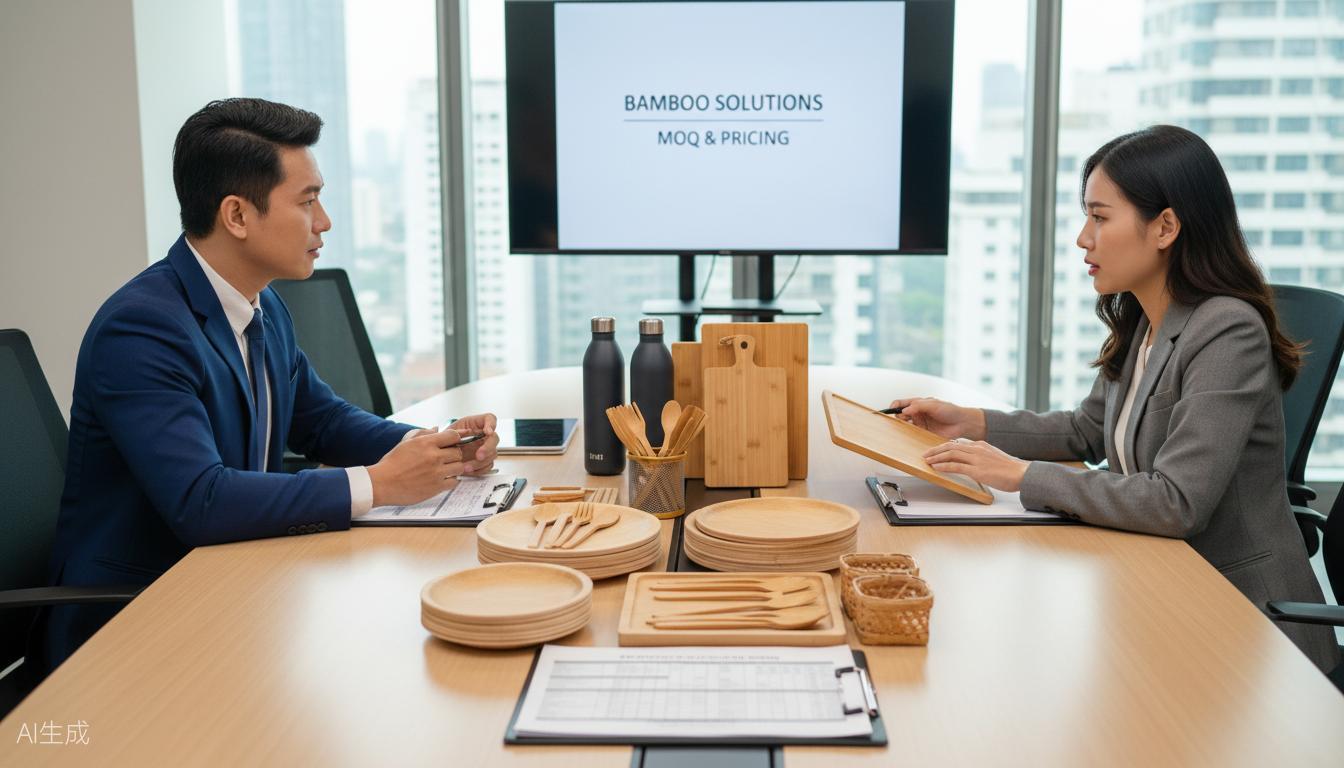
One of the most common frustrations for overseas buyers sourcing bamboo molded packaging, bamboo fiber nonwoven, or bamboo mulch film is hearing that the MOQ is 10,000 pieces or at least 1 ton. In most cases, MOQ is not simply a factory trying to create a barrier. It usually reflects tooling changeover, material waste, packaging setup, printing, and scheduling efficiency. A productive negotiation starts by breaking down those cost drivers instead of asking only whether the MOQ can be lowered.
Why can MOQ be high? Four practical reasons
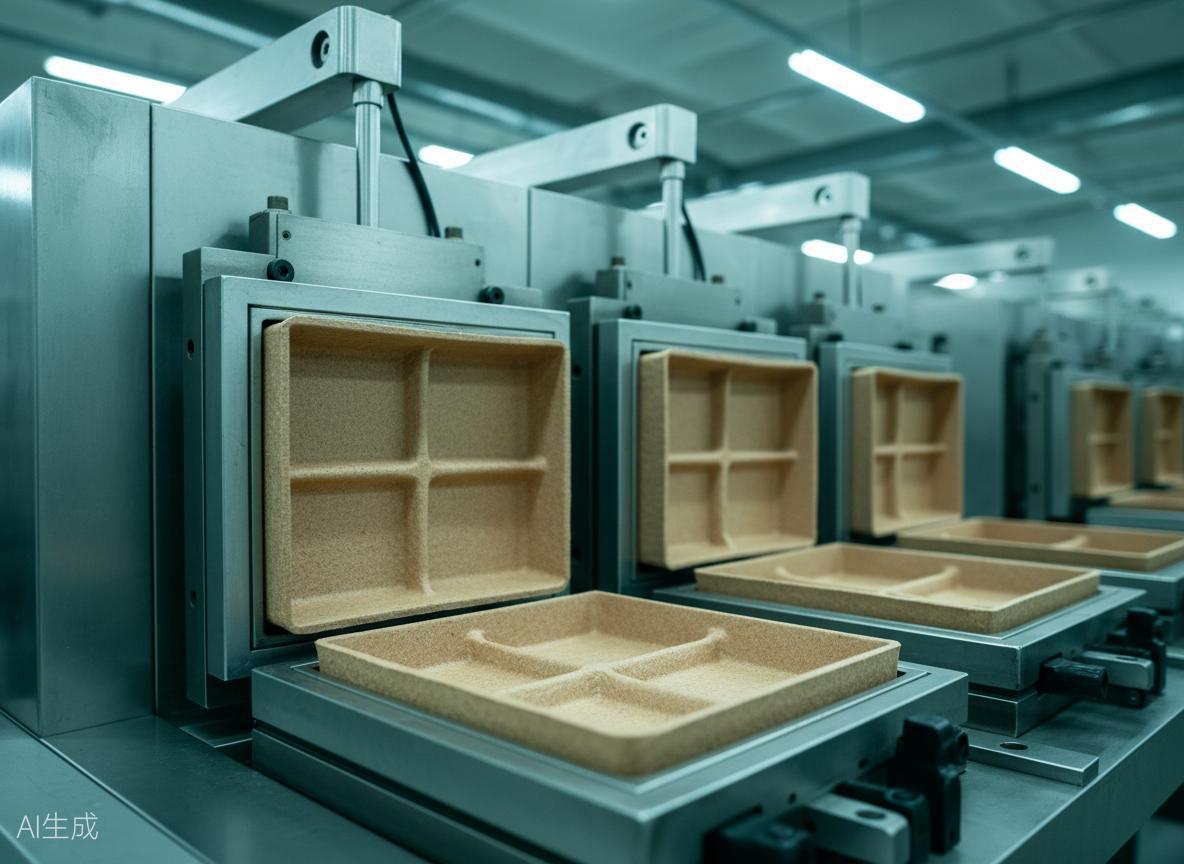
- Changeover cost: custom sizes or structures may require machine stoppage, mold changes, or setup adjustment, which makes very small orders inefficient.
- Upstream raw-material MOQ: coatings, additives, printed cartons, labels, or other purchased items can already carry their own minimum quantities.
- Packing and export logistics: many export projects are optimized by carton, pallet, or full-container logic, so tiny quantities can distort the unit cost badly.
- Buyer screening: some factories use MOQ to judge whether a project is real before they invest time in development and sampling.
A more useful way to discuss MOQ: split it into three quantities
| Project Stage | Quantity Worth Discussing | Why It Matters |
|---|---|---|
| Sampling stage | 3-20 sets or 5-50 kg | Checks dimensions, structure, and basic performance |
| Trial-order stage | 1,000-5,000 pieces or 200-500 kg | Checks batch stability and early market feedback |
| Mass-production stage | 10,000-50,000 pieces or 1-5 tons | Matches real production efficiency and tiered pricing |
Five questions that help MOQ negotiation much more
- Is the current MOQ driven mainly by tooling, raw materials, or packing setup?
- If custom printing, custom cartons, or special coating are removed, can the MOQ come down?
- Can a smaller trial order be accepted first and then combined with a follow-up order within 30-60 days to reach the normal MOQ?
- What are the price breaks at different quantity levels?
- If annual demand reaches a certain level, can the future MOQ or tooling charge be adjusted?
When should buyers insist on a lower MOQ, and when should they not?
If structure, market response, or real demand is still uncertain, asking for a manageable trial quantity is reasonable. But once the project is moving into annual purchasing or retail rollout, focusing only on cutting MOQ can push the supplier to recover risk through higher pricing, weaker lead times, or less stable quality. For categories with tooling and line-setup cost, a better strategy is often to accept a realistic mass-production MOQ while negotiating a trial-order mechanism and clearer tiered pricing.
A steadier first-order strategy
It usually helps to present MOQ discussion together with a demand forecast. Instead of saying only “we want to test 2,000 pieces first,” a buyer can say: “We plan a first order of 3,000 pieces for market validation, and if testing is approved within 60 days, quarterly demand is expected to reach 30,000-50,000 pieces.” That makes the project easier for the factory to take seriously.
If you are discussing MOQ with a bamboo material supplier, separate the conversation into sample quantity, trial-order quantity, and mass-production quantity. Suppliers can then give a more executable proposal, and buyers are more likely to get pricing that reflects the real project path.
Request Quote